Hormuz Tensions Push Oil Near $100
Strait of Hormuz standoff persisted Thursday, with blockades keeping oil near $100 per barrel as mine risks and clearance timelines remain disputed.
Lauren Collins ·
A naval confrontation between Iran and the United States in the Strait of Hormuz was still underway on Thursday, with both sides maintaining blockades that have kept global oil prices at approximately $100 per barrel. The waterway is a major global energy chokepoint, and the continued disruption has focused market attention on shipping security and the risk of extended supply constraints.
Officials linked the latest escalation to a sequence of maritime actions involving commercial vessels. Iran seized two container ships, and the United States later carried out a special forces operation to board a stateless oil tanker in the Indian Ocean. The Pentagon said the tanker was carrying Iranian crude oil, placing the incident within a broader dispute over energy flows and maritime enforcement.
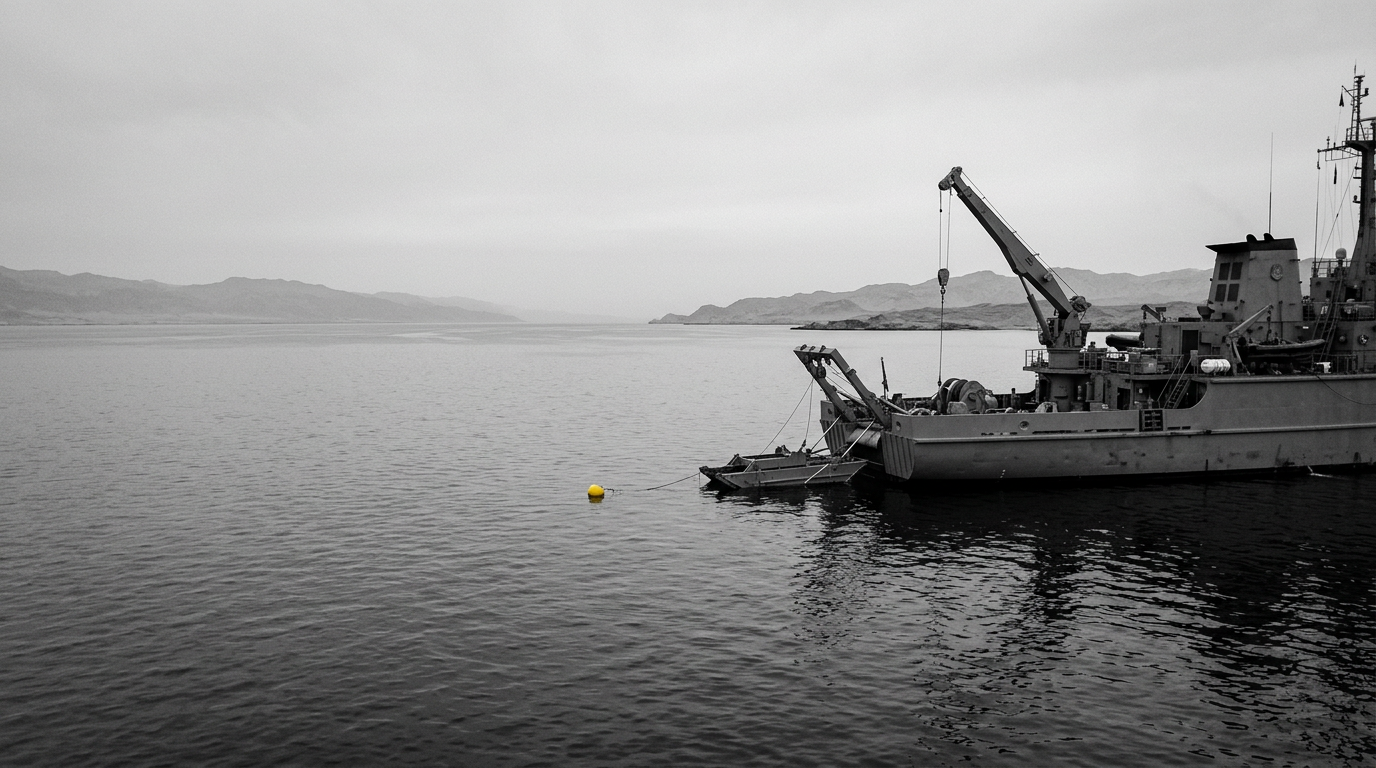
The blockades have been further complicated by the reported presence of sea mines in the Strait. A Pentagon briefing to Congress, as reported by the Washington Post, said there were an estimated 20 sea mines in the waterway and that removing them could take up to six months. A Pentagon spokesperson called that report “inaccurate,” but did not provide specific objections, leaving uncertainty over the scale of the hazard and the timeline for restoring normal passage.
U.S. President Donald Trump said U.S. minesweepers were operating at a “tripled up level” and said he had ordered forces to “shoot and kill” any vessel mining the waterway. Those statements underscored the security dimension of the standoff and the potential for further incidents at sea while clearance operations and patrols continue.
The Strait of Hormuz is widely viewed as one of the world’s most strategically important maritime corridors, enabling the transit of one-fifth of the world’s oil and liquefied fossil gas. With oil holding around $100 per barrel amid the ongoing restrictions, the situation has become a focal point for governments and companies managing fuel costs, shipping schedules, and insurance exposure tied to Gulf routes.
Energy-security concerns have been amplified by international officials. The head of the International Energy Agency, Fatih Birol, described the standoff as the “biggest energy security threat in history,” reflecting the scale of the corridor’s role in global supply and the potential consequences of a prolonged disruption.
Key unknowns remain, including the exact number of mines present, how quickly they can be cleared, and how long the opposing blockades will persist. Until those questions are resolved, markets and policymakers are likely to remain focused on operational risks in the Strait and the knock-on effects for global energy trade.