Trump authorizes force against Iranian boats in Hormuz
Trump authorizes force against Iranian boats in the Strait of Hormuz, a key oil chokepoint, amid heightened U.S.-Iran tensions.
Lauren Collins ·
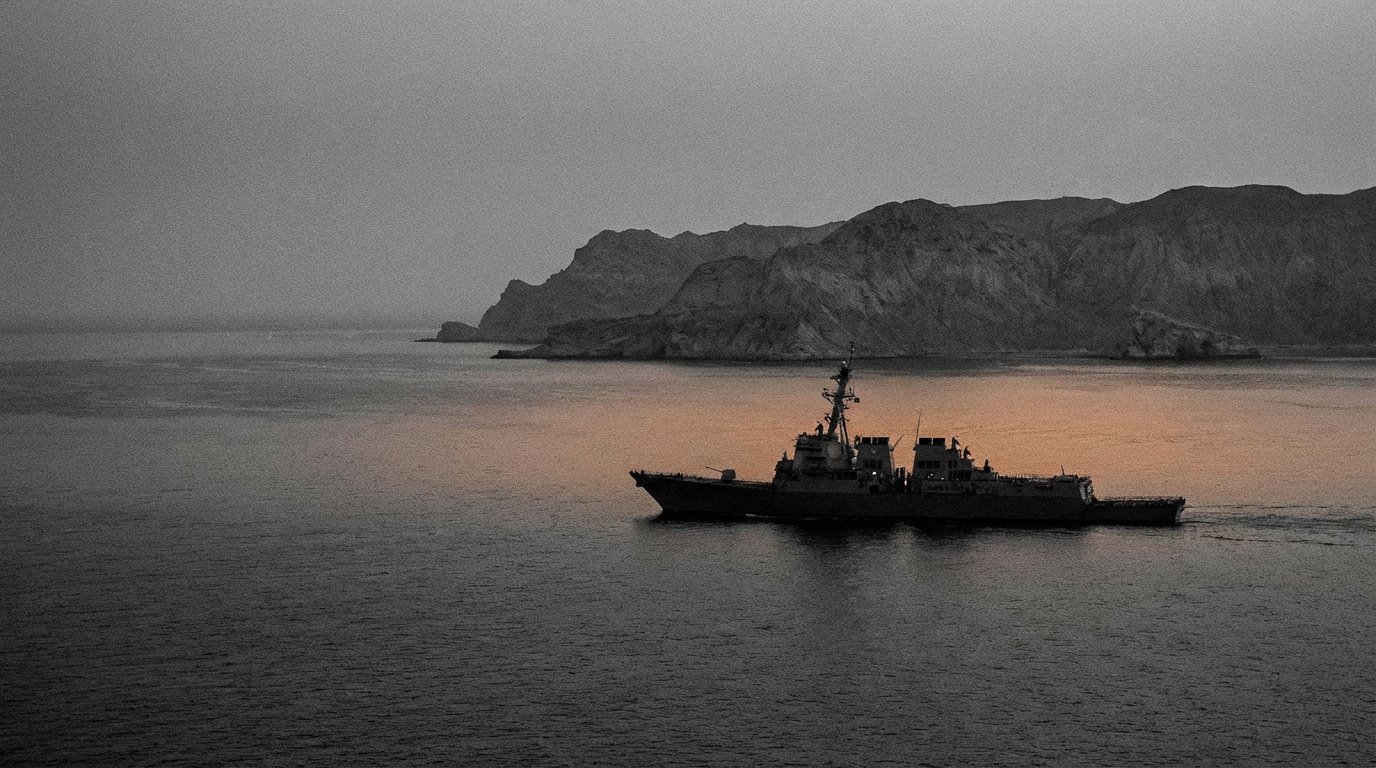
Former U.S. President Donald Trump said on April 23, 2026 that he had issued an order authorizing the U.S. military to engage and destroy Iranian small boats if they harass American naval vessels in the Strait of Hormuz. The directive was communicated via social media and was framed as a deterrent against what the source described as aggressive maneuvers by Iran’s Islamic Revolutionary Guard Corps (IRGC) naval units.
The Strait of Hormuz is a narrow maritime corridor linking the Persian Gulf to global sea lanes, and it is central to energy trade. About one-fifth of the world’s oil supply is reported to pass through the strait each day, making any shift in security posture there closely watched by governments, shipping interests, and energy markets. The source described the order as coming amid heightened U.S.-Iran tensions in the chokepoint.
According to the account provided, IRGC vessels have a history of close-quarter approaches to U.S. warships in the region. Previous encounters have included Iranian boats moving near U.S. Navy and U.S. Coast Guard ships and, at times, crossing their bows at close range. The stated purpose of the authorization is to discourage such actions by raising the costs of harassment at sea.
The U.S. Fifth Fleet, headquartered in Bahrain, operates extensively in these waters and is tasked with supporting freedom of navigation and regional stability, the source said. In that context, the new authorization was described as increasing the potential for direct confrontation in the Persian Gulf, where routine patrols and close encounters can quickly become high-stakes incidents.
The source noted that U.S. military rules of engagement typically allow forces to act in self-defense. It also said this public directive from a former president signaled a more aggressive posture toward Iranian maritime activity than what is usually conveyed through standard operational guidance. The combination of public messaging and a permissive use-of-force instruction was presented as a factor that could raise tensions in an already sensitive operating environment.
What remains uncertain is how the directive would be implemented in practice during fast-moving encounters at sea, where intent can be difficult to assess and small craft can maneuver rapidly. The source highlighted longer-term risks tied to miscalculation and unintended escalation in the Strait of Hormuz, a strategically important area where even limited incidents can have outsized consequences for regional security and global energy flows.