Trump Administration Launches New Trade Probes
The Trump administration launched new trade investigations on March 11, 2026, under Section 301, targeting unfair practices.
Lauren Collins ·
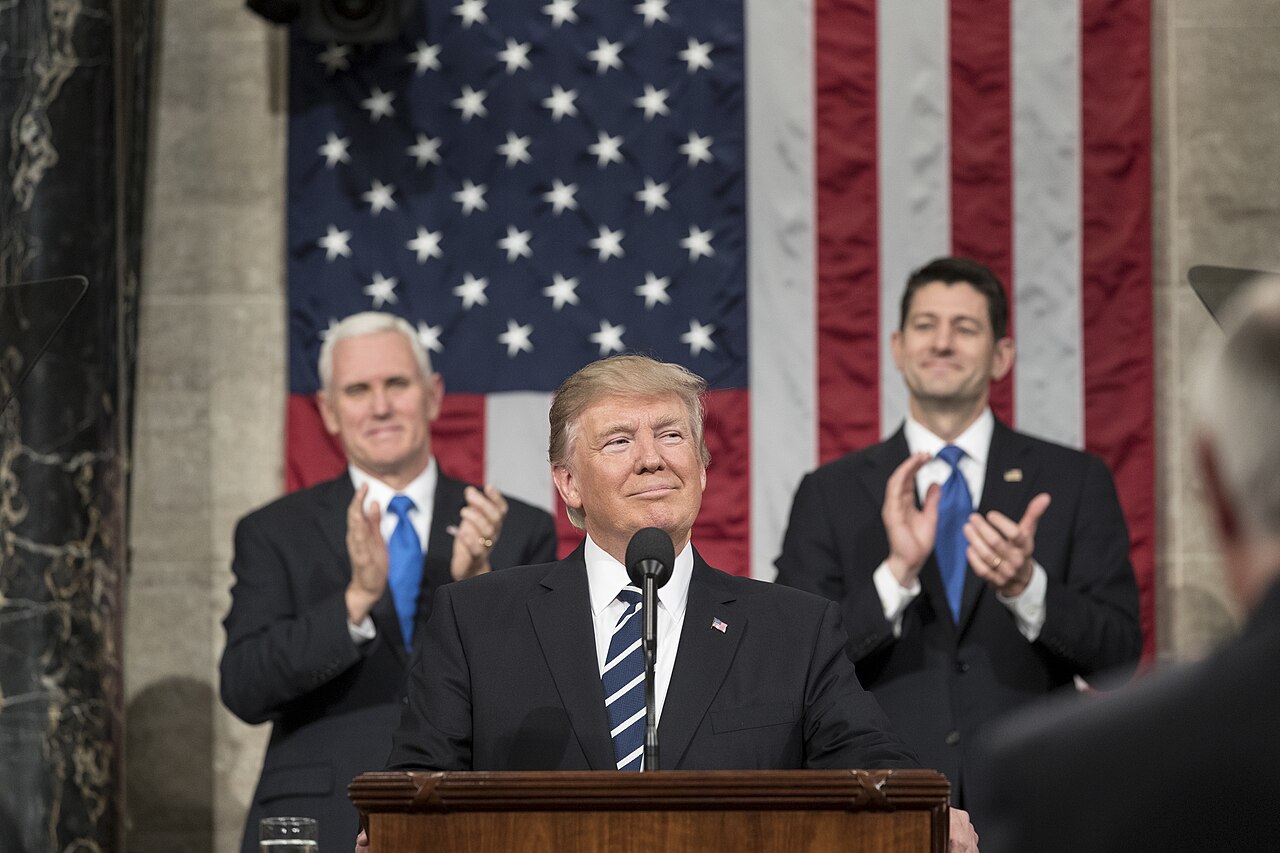
The Trump administration initiated a series of new trade investigations on Wednesday, March 11, 2026, focusing on what it identifies as unfair trade practices by several nations. These inquiries are being conducted under Section 301 of the Trade Act of 1974, a statute that grants the U.S. Trade Representative broad authority to investigate and respond to foreign trade barriers.
This move follows a recent Supreme Court ruling that invalidated previous tariff mechanisms, prompting the administration to seek alternative legal avenues for imposing import duties. The Office of the U.S. Trade Representative (USTR) is spearheading these investigations, which are designed to re-establish a framework for applying tariffs.
Legal Framework and Process
Section 301 investigations are a multi-stage process. They typically begin with a formal inquiry into the alleged unfair trade practices, followed by mandatory consultations with the foreign governments involved. Only after these steps are completed can the USTR recommend and the President authorize the imposition of tariffs or other retaliatory measures.
Historically, Section 301 has been a powerful, albeit controversial, tool in U.S. trade policy. It gained prominence in the 1980s and 1990s, particularly in disputes with Japan, and was extensively utilized during the previous Trump administration to impose tariffs on goods from China and other countries.
Focus of the Investigations
The current probes are expected to target a range of specific trade issues, rather than broad categories, potentially leading to tariffs on products from multiple countries. While the specific targets have not been fully disclosed, the administration's past rhetoric suggests a focus on intellectual property theft, forced technology transfers, and state-subsidized industries.
This renewed emphasis on Section 301 underscores a consistent policy approach by the administration to leverage tariffs as a primary instrument in its trade agenda. The strategy aims to compel trading partners to alter practices deemed detrimental to U.S. economic interests, despite facing domestic and international criticism regarding the economic impact of such measures.
Historical Context of Section 301
The Trade Act of 1974, which includes Section 301, was enacted to provide the U.S. with a mechanism to address foreign trade barriers that harm American commerce. Over the decades, its application has varied, often reflecting the prevailing geopolitical and economic priorities of different administrations. The current administration's use of this tool signals a return to a more assertive, unilateral approach to trade enforcement, moving away from multilateral dispute resolution mechanisms.
Previous administrations have also used Section 301, but often within the framework of the World Trade Organization (WTO). The Trump administration, however, has shown a willingness to act outside or in parallel to WTO processes, leading to increased tensions with trading partners and concerns about the stability of the global trading system. The outcome of these new investigations will likely shape international trade relations for the foreseeable future.
Implications
Country Impact: The United States' trade relations with various countries could face increased friction, potentially leading to retaliatory tariffs and strained diplomatic ties. This approach may also influence domestic industries reliant on international supply chains.
Industry Impact: Industries involved in international trade, particularly those targeted by potential tariffs or those benefiting from existing trade agreements, could experience significant disruption. Sectors like manufacturing, agriculture, and technology may see altered import/export costs and market access.
Market Impact: Global financial markets may react to increased trade uncertainty, potentially impacting equity valuations, commodity prices, and currency exchange rates. Businesses might face higher operational costs and reduced predictability in international commerce.