Democrats Demand Public Hearings on Iran Conflict
Democratic senators are demanding public hearings on the Iran conflict, citing an "incoherent" strategy and high costs after classified briefings.
Lauren Collins ·
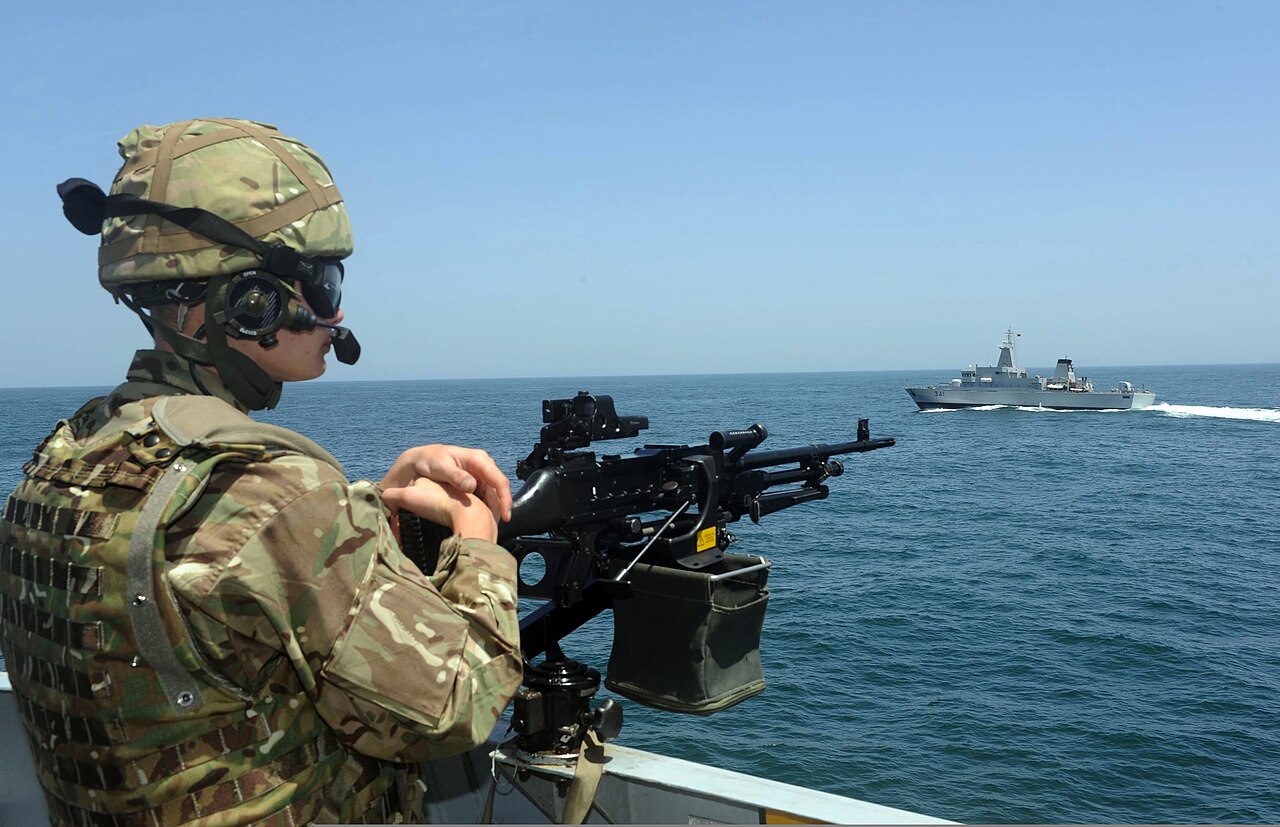
A faction of Democratic senators in the United States Congress is advocating for public hearings concerning the ongoing military engagement with Iran. This demand follows a series of classified briefings provided by the Trump administration, which lawmakers found insufficient in clarifying the conflict's strategic objectives and projected duration.
The United States and Israel commenced military operations against Iran on February 28, 2026, prompting these closed-door sessions with key administration officials.
Senior Democratic figures, including Senator Chris Murphy, have characterized the administration's strategy as "incoherent" based on the information presented in the classified briefings. Senator Richard Blumenthal further noted a discernible absence of a defined "endgame" for the military action. These concerns suggest that the administration might struggle to secure congressional authorization for the conflict if a vote were to be held.
Congressional Scrutiny and War Authorization
The push for public hearings underscores a growing bipartisan tension regarding executive war powers and congressional oversight. While the administration has provided classified updates, Democrats argue that the public and Congress require a more transparent accounting of the conflict's rationale. The current political landscape sees Republicans holding a narrow 53-47 majority in the Senate, which could influence the feasibility of compelling public hearings or passing war authorizations.
Humanitarian and Financial Concerns
Financial implications of the conflict have also been raised, with Senator Elizabeth Warren highlighting an estimated daily expenditure of one billion dollars on bombing campaigns in Iran. This figure is juxtaposed against domestic issues, such as the reported 15 million Americans lacking healthcare coverage. S. ground forces, which could significantly broaden the scope and cost of the intervention.
Allegations of Civilian Casualties
Earlier in the week, six Democratic senators called for an investigation into a specific incident: a strike on a girls' school in Minab, located in southern Iran. This event reportedly resulted in the deaths of at least 170 individuals, predominantly children, with U.S. forces implicated in the attack. Such allegations amplify calls for greater transparency and accountability regarding military operations and their impact on civilian populations.
Geopolitical Context and Regional Stability
S. and Israel against Iran on February 28, 2026, represent a significant escalation in regional tensions. The broader geopolitical context involves long-standing disputes over Iran's nuclear program, its regional influence, and its support for various non-state actors. The current conflict risks further destabilizing the Middle East, potentially drawing in other regional and international powers.
The lack of a clear strategy, as articulated by some senators, raises questions about the long-term consequences for global energy markets, trade routes, and international alliances. The demand for public hearings reflects a desire to understand not only the immediate military objectives but also the broader strategic vision and potential ramifications of this intervention.
Implications
Country Impact: The U.S. political landscape faces increased internal division over foreign policy, potentially impacting legislative priorities and executive authority. Public trust in government transparency regarding military actions could erode.
Industry Impact: Defense contractors may see increased demand, while global energy markets could experience volatility due to instability in the Middle East. Humanitarian aid organizations may face greater challenges in the region.
Market Impact: Uncertainty surrounding the conflict could lead to increased risk aversion in global financial markets, potentially affecting equity valuations and commodity prices, particularly oil. Bond markets might see flight-to-safety flows.