Trump Warns Iran on Oil, Cites Middle East Conflict
Donald Trump warned Iran on global oil supplies, citing the Middle East conflict and potential U.S. sanctions adjustments.
Lauren Collins ·
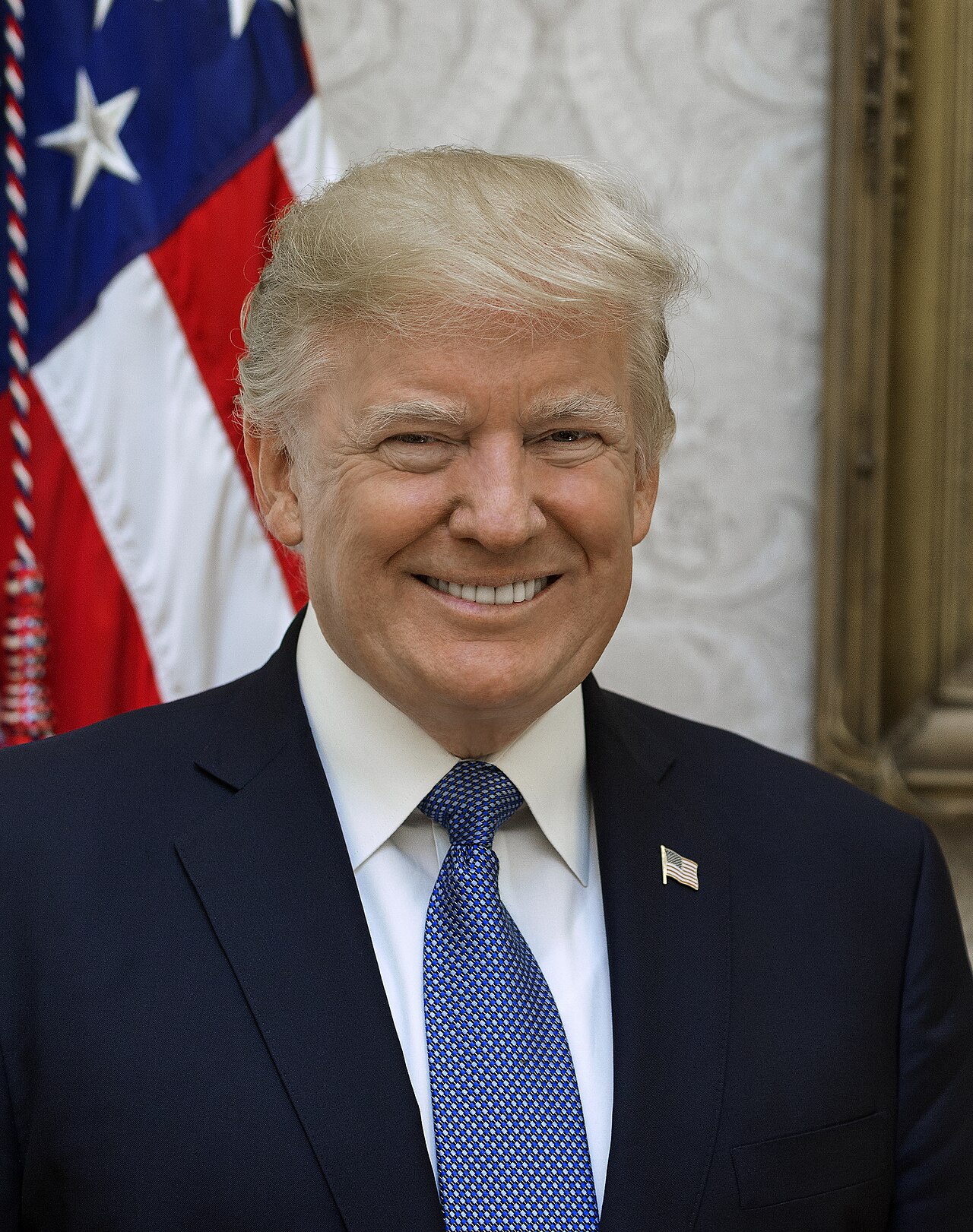
Former U.S. President Donald Trump issued a warning to Iran regarding global oil supplies and the broader Middle East conflict during remarks on Monday. Speaking from his National Doral club in Miami, Trump suggested that the regional tensions could de-escalate "very soon." He emphasized potential severe consequences for Iran if it were to disrupt international energy markets.
Trump indicated that the United States had engaged in an "excursion" within the Middle East to counter perceived threats. He suggested that the U.S. could lift oil sanctions on other countries as a measure to stabilize global prices should Iran interfere with oil flows.
Middle East Operations and Allegations
The former president also addressed a recent strike that reportedly impacted an Iranian elementary school, resulting in multiple child fatalities. He speculated, without presenting supporting evidence, that Iran or another entity was responsible for the incident. This assertion contrasts with reports from munitions experts and video evidence suggesting a U.S. Tomahawk missile struck a naval base adjacent to the school, causing significant damage and casualties among girls aged seven to twelve.
Trump defended "Operation Epic Fury," a joint U.S.-Israeli military action initiated on February 28. He characterized this operation as a preemptive measure against an alleged imminent Iranian attack. While offering no new evidence for this claim, he cited information from his former Secretary of Defense, Pete Hegseth, Secretary of State, Marco Rubio, and special envoys Steve Witkoff and Jared Kushner.
Regional Geopolitical Context
The broader context of U.S.-Iran relations has been marked by significant tension, particularly following the U.S. withdrawal from the Joint Comprehensive Plan of Action (JCPOA) in 2018 under the Trump administration. This withdrawal led to the re-imposition of sanctions on Iran, impacting its oil exports and financial sector. The region has subsequently seen increased military posturing and proxy conflicts.
Trump also expressed dissatisfaction with the selection of Mojtaba Khamenei as Iran's new supreme leader. This comment underscores the ongoing political friction between the U.S. and Iran, which extends beyond immediate military actions to leadership changes within the Islamic Republic. The U.S. has historically sought to influence leadership dynamics in the region, often through sanctions and diplomatic pressure.
Implications for Global Energy Markets
Threats to global oil supplies, particularly from the Middle East, typically lead to increased volatility in energy markets. Any disruption in the Strait of Hormuz, a critical chokepoint for oil transit, could significantly impact crude oil prices and global economic stability. Trump's remarks signal a continued focus on energy security and the potential use of sanctions relief as a geopolitical tool.
The U.S. has maintained a significant military presence in the Middle East, often citing the need to protect its interests and those of its allies. This presence, combined with a robust sanctions regime, forms the core of its strategy to counter Iranian influence. The ongoing rhetoric and military actions highlight the persistent challenges in achieving regional stability.
Implications
Country Impact: The U.S. stance signals continued pressure on Iran, potentially escalating regional tensions. Iran's leadership transition and response to U.S. warnings will be critical for its domestic and foreign policy.
Industry Impact: Global oil and gas markets face potential volatility due to threats of supply disruption and the possibility of U.S. sanctions adjustments. Defense and security industries in the region may see increased activity.
Market Impact: Energy commodity prices, particularly crude oil, could experience upward pressure if supply concerns materialize. Geopolitical risks may lead to increased investor caution in emerging markets tied to Middle Eastern stability.