Trump Endorsement Impacts Georgia Special Election
Former President Trump's endorsement influenced Georgia's special election, leading to a runoff, while a Mississippi Democrat secured re-election.
Lauren Collins ·
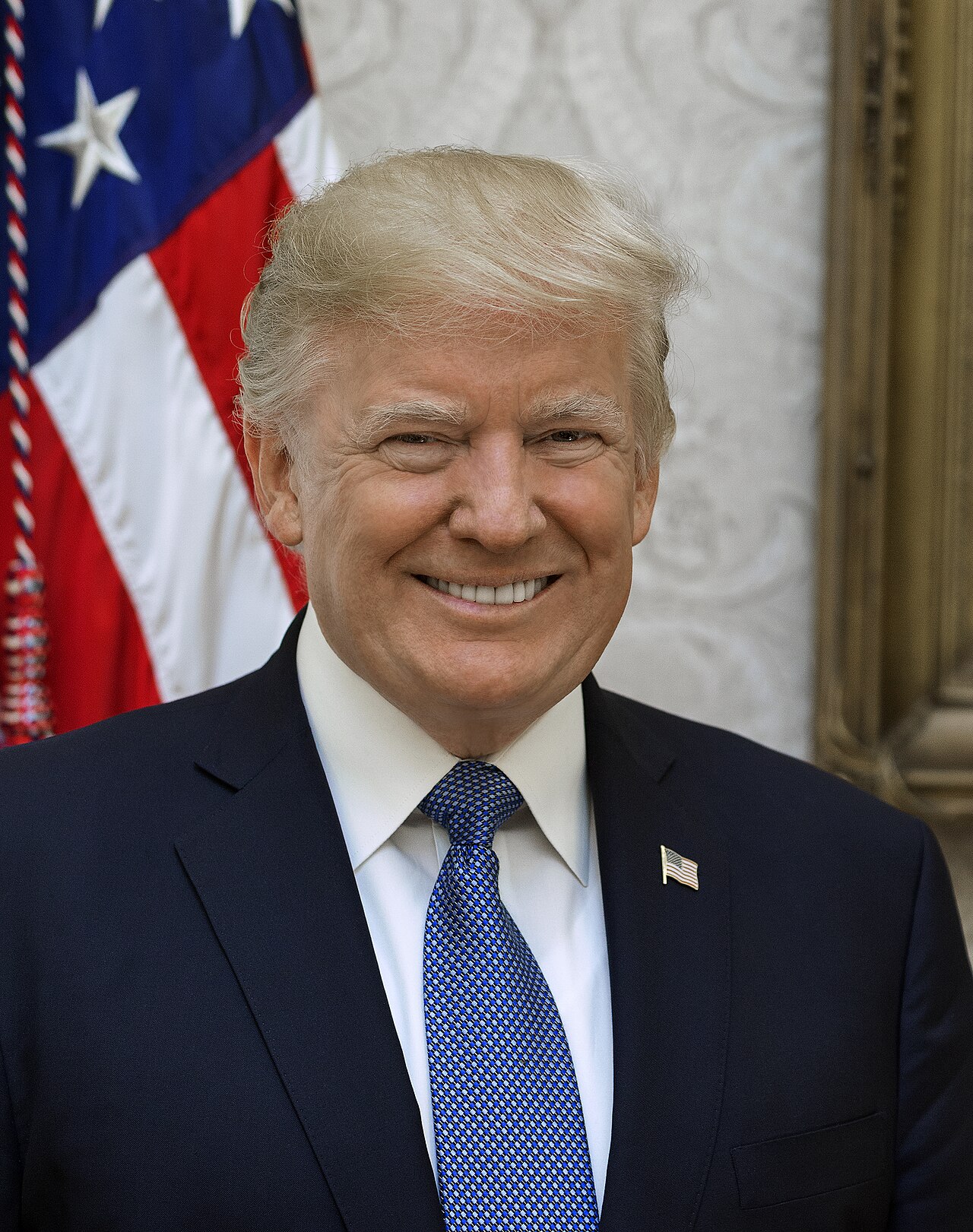
Former President Donald Trump's endorsement played a significant role in a recent special election in Georgia, highlighting his continued influence within the Republican party. The election, held on Tuesday, aimed to fill a vacant congressional seat, ultimately leading to a runoff. This outcome underscores the complex and evolving political landscape in the Southern United States.
Georgia's 14th District Race
In Georgia's 14th congressional district, a special election was held to determine the successor to Republican Representative Marjorie Taylor Greene. The seat became vacant following Greene's resignation, reportedly due to policy disagreements with former President Trump concerning his "America First" agenda. This created an open contest, drawing multiple candidates from both major parties.
Clay Fuller, a Republican candidate who received the explicit endorsement of former President Trump, advanced to a runoff election. Fuller will face a Democratic contender in the next stage of the electoral process. Neither candidate managed to secure an outright majority of the votes cast during Tuesday's initial election, necessitating a second round of voting.
Mississippi Incumbent Retains Seat
Concurrently, in Mississippi, a long-serving Democratic congressman successfully secured re-election. The incumbent faced a challenge from a younger opponent but managed to retain his seat with a decisive victory. This result illustrates the stability of certain established political positions, even as other races reflect shifting party dynamics.
Political Context and Implications
The Georgia special election results demonstrate the enduring power of a presidential endorsement, particularly within the Republican party. Trump's backing continues to be a crucial factor for many candidates seeking to mobilize the party's base. The need for a runoff also indicates a competitive environment, even in districts traditionally leaning towards one party.
The contrasting outcomes in Georgia and Mississippi highlight the diverse political trends across the Southern states. While some areas show strong incumbent support, others are experiencing more fluid electoral contests influenced by national political figures. These elections provide insights into voter sentiment ahead of future national campaigns.
Outlook for the Runoff
The upcoming runoff election in Georgia's 14th district, scheduled for April 7, will be a key indicator of voter preferences and the effectiveness of campaign strategies. Both the Republican and Democratic parties are expected to intensify their efforts to secure the vacant congressional seat. The outcome will offer further data on the current political climate and the impact of high-profile endorsements on local races.
Implications
Country Impact: The election outcomes reflect the ongoing political divisions and the varying influence of national figures on local races across the United States. They provide a snapshot of voter sentiment in key Southern states.
Industry Impact: The political landscape influences policy decisions, which can impact various industries, though these specific elections have limited direct industry-specific implications beyond general regulatory and legislative environments.
Market Impact: While these local election results do not directly impact global financial markets, they contribute to the broader political narrative, which can indirectly influence investor sentiment regarding future policy stability and economic direction.