Trump Claims Iran Conflict Victory, US Forces Remain
Trump claims victory in Iran conflict on March 11, 2026, speaking at a Kentucky rally. He declared the initial phase of the conflict over.
Lauren Collins ·
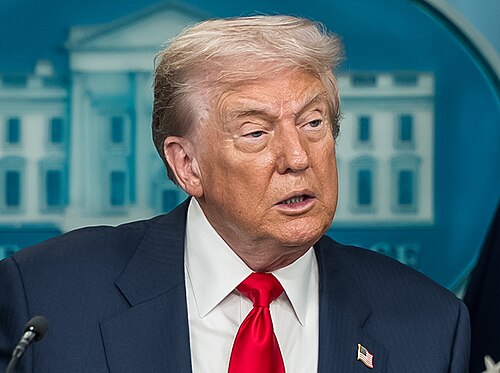
Trump Declares Iran Victory But Vows US Forces Will Remain
HEBRON, Kentucky – U.S. President Donald Trump declared a decisive victory in the conflict with Iran on Wednesday but signaled that American forces would remain engaged to "finish the job." Speaking at a campaign-style rally, Trump asserted the initial phase of the conflict was "over" after the U.S. had "virtually destroyed" Iran's naval capabilities, claiming the neutralization of 58 Iranian ships.
The president's remarks, delivered to a supportive crowd on March 11, 2026, in Hebron, Kentucky, represent the administration's most assertive declaration since hostilities escalated. "We have won, and we've won decisively," Trump stated. However, he immediately cautioned against a rapid withdrawal, drawing parallels to past conflicts. "We're not leaving. We are going to stay and finish the job, because we've seen what happens when you leave too early."
Conflict Background and Strategic Context
[CONTEXT] The conflict began in late 2025 following a series of incidents in the Strait of Hormuz, a critical chokepoint for global oil supplies. The U.S. and its regional allies accused Iran's Islamic Revolutionary Guard Corps (IRGC) Navy of disrupting commercial shipping, leading to a swift and targeted U.S. military response primarily focused on Iranian naval and coastal missile assets.
The claim of neutralizing 58 naval ships, if verified, would represent a catastrophic loss for the Iranian fleet, which consists of a mix of conventional warships and smaller, faster asymmetric vessels used by the IRGC. Pentagon officials have not yet independently confirmed the number but have previously reported on successful strikes against Iranian maritime targets in the Persian Gulf and the Gulf of Oman.
Political and Military Implications
[ANALYSIS] The timing of Trump's victory declaration, during a domestic rally in a key political year, is seen by analysts as a move to bolster public support ahead of the 2026 midterm elections. The message combines a powerful claim of military success with a projection of continued strength, a formula that has resonated with his base.
Military strategists interpret the "finish the job" directive as a shift from major combat operations to a longer-term mission. This next phase will likely involve enforcing a maritime exclusion zone, preventing the IRGC from regrouping, and potentially targeting leadership and logistical networks that survived the initial air and sea campaign. This stance reflects a consistent pattern of the Trump administration: acknowledging significant degradation of an adversary's capabilities while resisting a definitive conclusion to the conflict.
International Reaction and Regional Stability
While Tehran has not yet issued an official response to Trump's claims, Iranian state media has previously described U.S. military actions as acts of "American aggression" and disputed the extent of the damage to its forces. A formal rebuttal challenging the U.S. narrative is widely expected.
U.S. allies in the Gulf, such as Saudi Arabia and the United Arab Emirates, have privately expressed relief at the degradation of Iran's military power but remain concerned about the potential for asymmetric retaliation. European allies, meanwhile, continue to call for de-escalation and a return to a diplomatic framework, fearing that a prolonged U.S. presence could lead to a wider regional war.