Global Entry Program Reinstated by Trump Administration
The U.S. Global Entry program will resume on March 11, 2026, after a temporary suspension due to a DHS funding dispute.
Lauren Collins ·
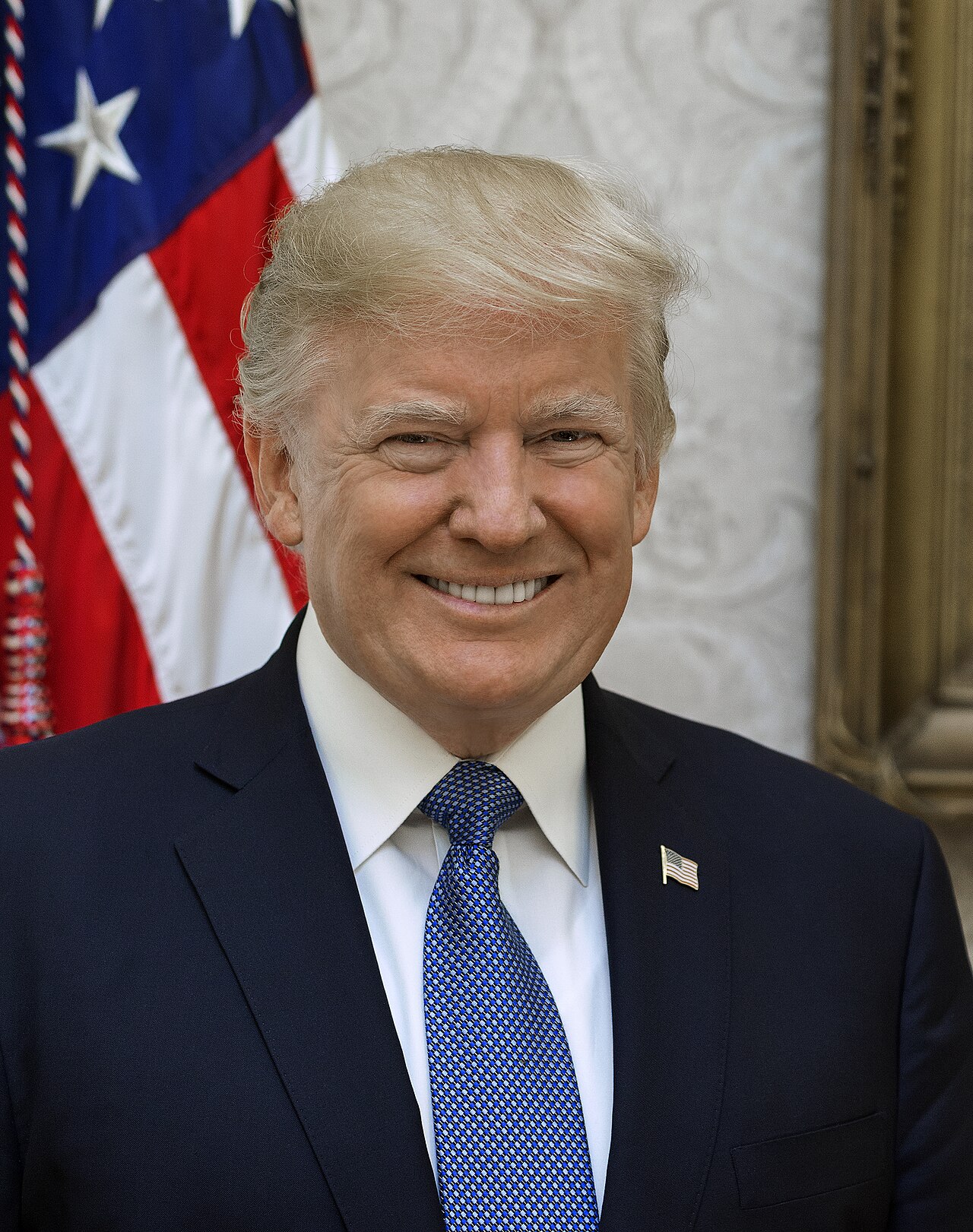
The U.S. Global Entry program, which facilitates expedited customs clearance for pre-approved travelers, is set to resume on Wednesday, March 11, 2026. This reinstatement follows a temporary suspension initiated in late February due to a partial shutdown of the Department of Homeland Security (DHS).
This federal initiative allows U.S. citizens and lawful permanent residents to bypass traditional customs lines upon international arrival. The program's temporary halt had been a consequence of personnel reallocations necessitated by the funding impasse affecting DHS operations.
DHS Funding Dispute
The suspension of Global Entry, alongside an earlier brief pause of TSA PreCheck, stemmed from a legislative deadlock over the DHS budget. The funding lapse, which commenced on February 14, involved disagreements between Democratic and Republican lawmakers.
Democrats had sought to impose new restrictions on Immigration and Customs Enforcement (ICE) agents. These proposed measures included requirements for warrants in home arrests and mandatory visible identification for agents, which Republicans characterized as excessive.
Program Restoration Details
Despite the broader funding dispute, most DHS functions have continued without interruption, with essential services maintained throughout the partial shutdown. The decision to restore Global Entry indicates a resolution or workaround regarding the specific operational constraints that led to its suspension.
The initial pause of Global Entry had been unexpected, particularly given the department's previous efforts to encourage public enrollment in the trusted traveler program. TSA PreCheck, another expedited security program, was quickly reactivated after its brief suspension.
Operational Impact and Outlook
Officials had previously indicated that core operations of agencies like ICE and Customs and Border Protection (CBP) were not expected to face significant disruptions unless the funding lapse extended for a prolonged period. The reinstatement of Global Entry suggests that the immediate operational challenges have been addressed.
This development provides clarity for international travelers who rely on the program for efficient border processing. The underlying political disagreements regarding DHS funding and ICE operations, however, remain a recurring point of contention in U.S. legislative cycles, often impacting various federal services.
Broader Context of Federal Funding
Federal government shutdowns or partial shutdowns, driven by budgetary stalemates, have historically affected a range of government services, from national parks to passport processing. These events underscore the intricate link between legislative negotiations and the day-to-day functioning of federal agencies.
The Global Entry program's temporary suspension and subsequent reinstatement highlight the vulnerability of even popular government services to political gridlock. Travelers and businesses often face uncertainty during such periods, emphasizing the need for stable and predictable government funding.
Implications
Country Impact: The reinstatement provides certainty for U.S. citizens and legal residents who rely on expedited customs processing, easing international travel. However, the underlying political divisions over federal funding and immigration enforcement remain unresolved, signaling potential future disruptions.
Industry Impact: The travel and tourism industry benefits from the restoration of Global Entry, as it reduces friction for frequent international travelers. Airlines and airports will see improved passenger flow, contributing to operational efficiency and customer satisfaction.
Market Impact: While the direct market impact is limited, the resolution of a federal service disruption can be seen as a minor positive for market sentiment, indicating a degree of functional government. Continued political stalemates over funding, however, introduce broader economic uncertainty.