Trump Alleges Iran Uses AI for Disinformation
Donald Trump accused Iran of using AI as a "disinformation weapon" to misrepresent its wartime successes and public support on March 15, 2026.
Lauren Collins ·
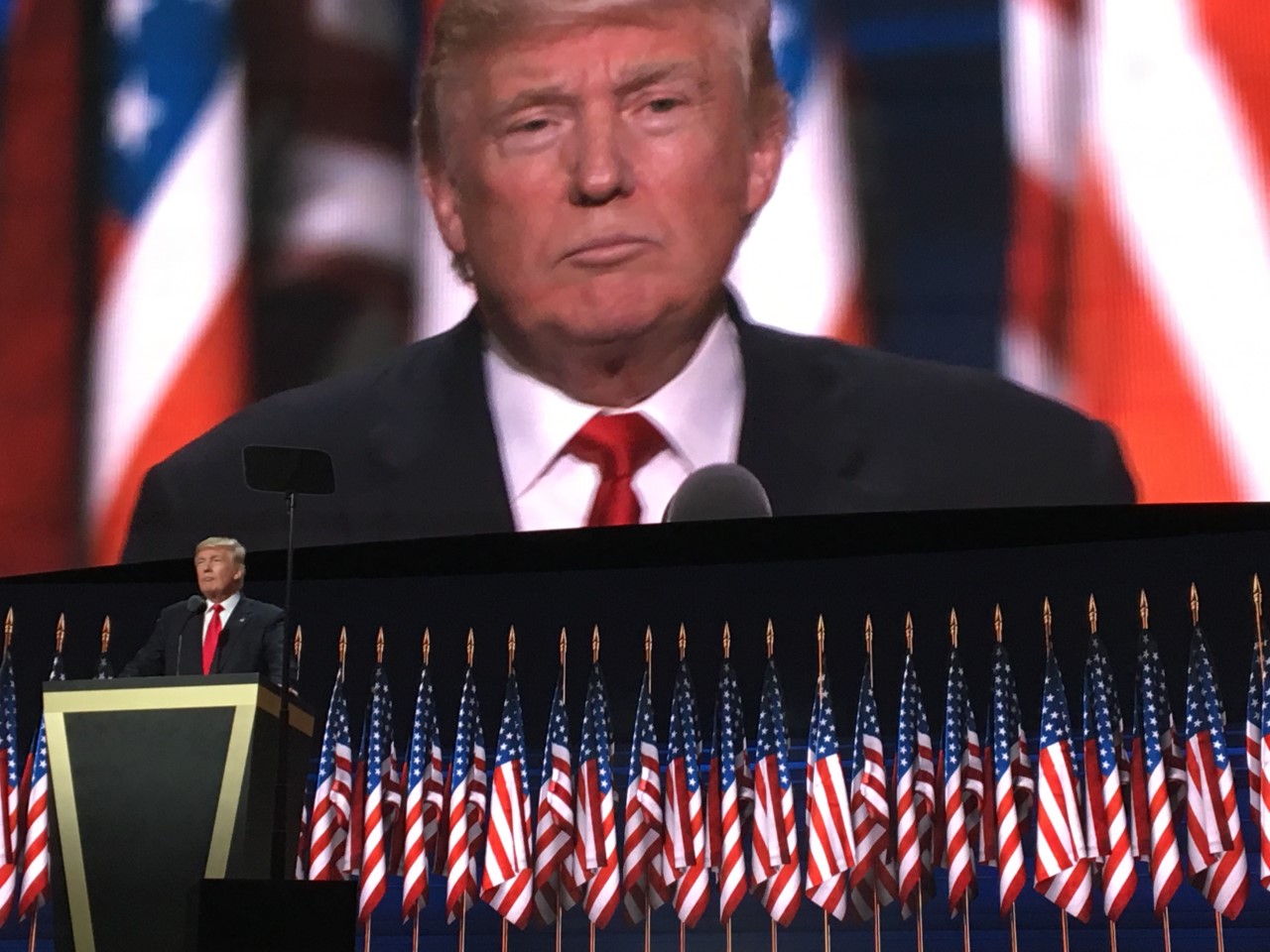
Former U.S. President Donald Trump recently accused Iran of utilizing artificial intelligence (AI) to spread disinformation. Speaking on Sunday, March 15, 2026, Trump characterized AI as a "very dangerous" tool when used for such purposes, emphasizing the need for careful management of the technology.
Trump's allegations, initially made via a Truth Social post, claimed a coordinated effort between Western media and Iran to disseminate AI-generated "fake news." He specifically cited three instances where, according to him, Iran employed AI to mislead the public regarding its military capabilities and domestic support.
One accusation involved Iran allegedly fabricating images of "kamikaze boats" and a supposed successful attack on the USS Abraham Lincoln aircraft carrier. Trump suggested that media outlets amplifying such reports should face charges of treason. Another claim focused on images depicting a rally for new Supreme Leader Mojtaba Khamenei with an attendance of "250,000," which Trump asserted were entirely AI-generated and that the event itself did not take place.
Reuters has previously reported on images showing explosive-laden Iranian boats attacking fuel tankers, resulting in casualties. Iranian state media did claim a strike on the USS Abraham Lincoln, though this was not widely corroborated by Western news organizations. While pro-government demonstrations have occurred in Iran, Reuters found no Western reports supporting a 250,000 attendance figure for a Khamenei rally.
These statements from Trump emerged amidst increasing tensions between the Federal Communications Commission (FCC) and broadcasters. FCC Chairman Brendan Carr had issued a warning on Saturday, March 14, 2026, to broadcasters regarding their coverage of the conflict involving the U.S., Israel, and Iran. Carr indicated that stations failing to "correct course" on their reporting could face license revocation.
The broader context involves ongoing geopolitical friction between the United States and Iran, often characterized by accusations of propaganda and cyber warfare. The use of advanced technologies like AI in information operations represents an evolving challenge in international relations and media integrity. Trump's comments underscore concerns about the potential for AI to manipulate public perception and influence global narratives, particularly in sensitive political and military contexts.
The intersection of AI, media, and international conflict remains a critical area of focus for policymakers and intelligence agencies worldwide.
Implications
Country Impact: The allegations could further strain diplomatic relations between the U.S. and Iran, potentially escalating rhetoric and increasing mistrust. It also highlights domestic political divisions within the U.S. regarding media reporting and foreign policy.
Industry Impact: The media industry faces increased scrutiny over its reporting, particularly concerning international conflicts and the potential for AI-generated content. Broadcasters, in particular, are under pressure from regulatory bodies like the FCC regarding their coverage.
Market Impact: While not directly impacting markets, heightened geopolitical tensions and accusations of disinformation could contribute to uncertainty, potentially affecting investor sentiment in sectors sensitive to Middle East stability or technology regulation.