White House Plans Underground Visitor Facility
The White House plans a 33,000-square-foot underground visitor screening facility to enhance security and visitor experience.
Lauren Collins ·
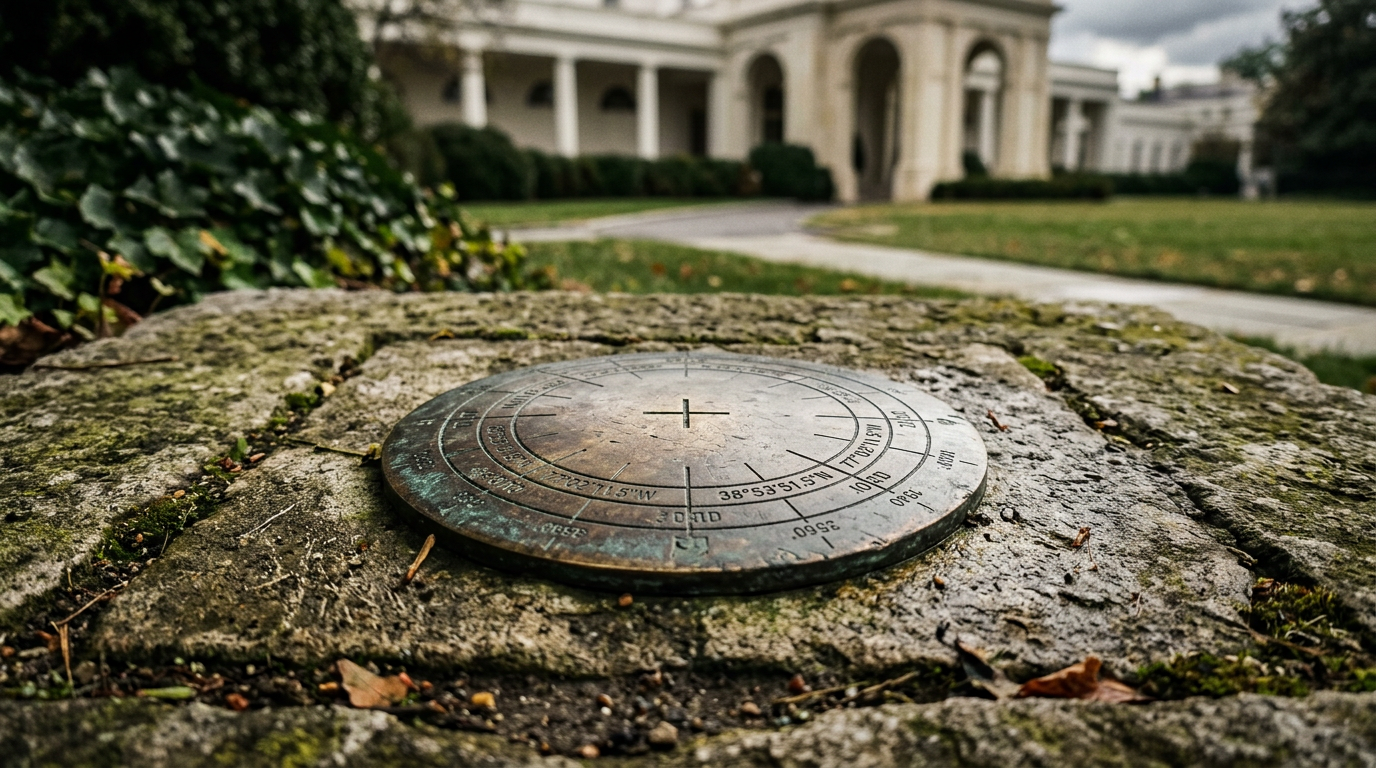
The White House administration has proposed the construction of a substantial underground security screening facility for visitors. This new structure, encompassing 33,000 square feet, is designed to streamline visitor access and enhance security protocols for the presidential complex.
Submitted to the National Capital Planning Commission (NCPC) on Friday, March 14, 2026, the plan details a seven-lane entry system. Visitors would be directed through this underground passage, situated beneath a nearby park, before gaining entry to the White House grounds. The NCPC is scheduled to review this proposal during its meeting on April 2.
Facility Location and Timeline
The proposed facility is slated for the site of the former East Wing, which was dismantled in late 2025. This demolition was undertaken to accommodate a previously planned 90,000-square-foot ballroom. Preparatory work for the underground screening center is projected to commence in August 2026, with an anticipated operational date in mid-2028.
Enhancing Security and Visitor Experience
The primary objectives behind this initiative are to bolster campus security and significantly improve the overall visitor experience. The new permanent structure is intended to replace the existing temporary, trailer-like screening facilities, which have been criticized for their inefficiency and aesthetic impact.
Discussions regarding an underground screening complex for the White House have been ongoing for several decades. These conversations gained particular urgency following the September 11, 2001, terrorist attacks, highlighting a long-standing need for enhanced security infrastructure. However, previous attempts to implement such a project encountered significant funding obstacles.
Broader Renovation Context and Funding
This underground facility is part of a larger renovation effort at the White House. The broader project includes the construction of the aforementioned ballroom, which has seen its estimated cost escalate from an initial $200 million to $400 million. This extensive renovation is intended to be financed through private donations, rather than taxpayer funds.
Public sentiment has played a role in the progression of these plans. The ballroom project, for instance, faced considerable public opposition, accumulating over 32,000 comments, which led to delays in its initial approval. The current proposal for the underground screening facility will likely undergo similar scrutiny from both the NCPC and the public.
Implications
Country Impact: The development reflects ongoing efforts by the U.S. government to modernize critical infrastructure for national security. It underscores a long-term commitment to protecting high-profile government assets and personnel.
Industry Impact: The construction project will likely involve specialized security and engineering firms, potentially boosting activity in the high-security construction sector. It also highlights the demand for advanced screening technologies.
Market Impact: While direct market impact is limited, the project's reliance on private donations for the broader renovation could set a precedent for funding large-scale government facility upgrades. The increased cost estimates reflect broader inflationary pressures in construction.