F1 Cancels Bahrain, Saudi Races Amid Regional Tensions
Formula One has canceled its Bahrain and Saudi Arabian Grand Prix events for 2025 due to regional instability, creating a five-week calendar gap.
Lauren Collins ·
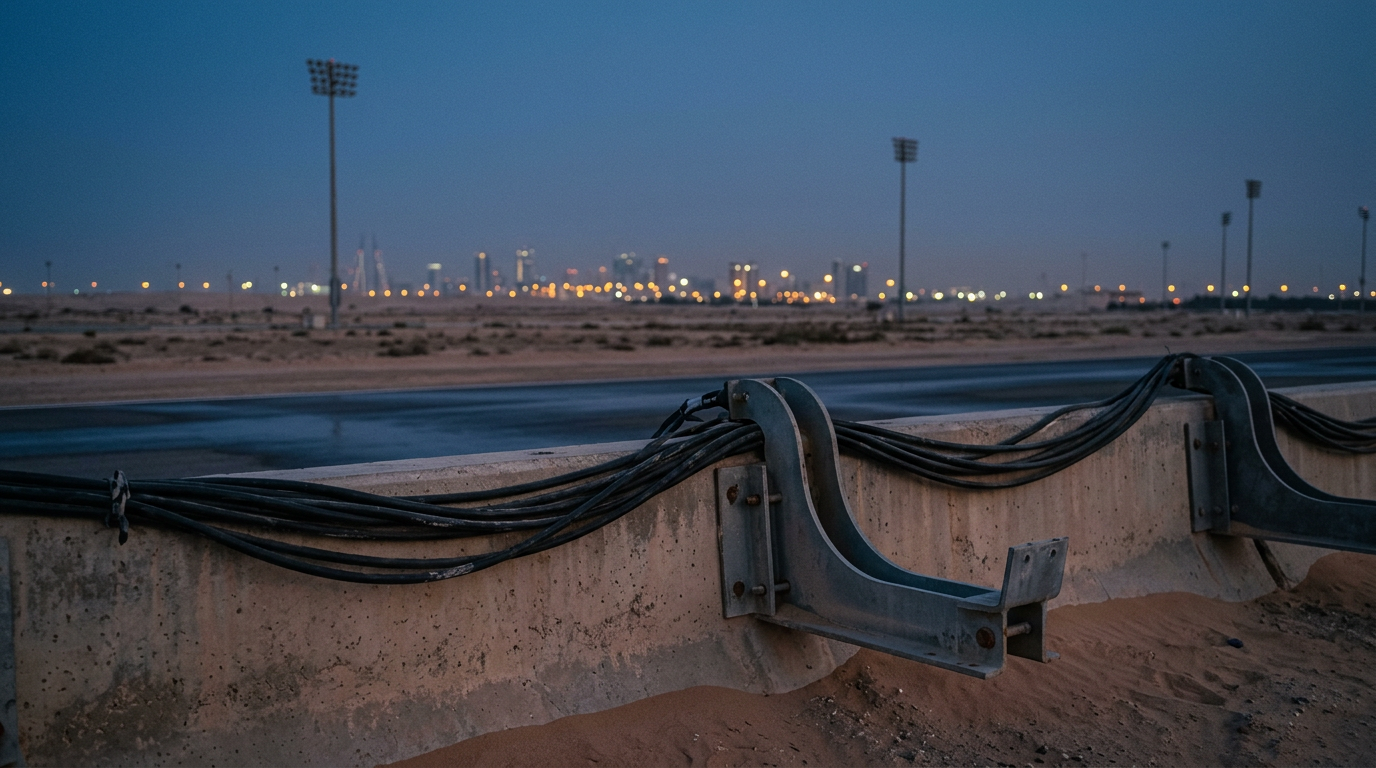
Formula One has announced the cancellation of its Bahrain and Saudi Arabian Grand Prix events for the upcoming season. The decision, jointly made by the sport's governing body, the FIA, and Formula One management, cites escalating regional instability as the primary concern for participant safety and operational feasibility. These cancellations create a significant gap in the 2025 racing calendar.
The Bahrain Grand Prix, initially slated for April 12, and the Saudi Arabian Grand Prix, scheduled for April 19, will not proceed. This move follows an assessment of the security environment in the Middle East, particularly given recent geopolitical developments. The Bahrain International Circuit, situated near Sakhir, is approximately 32 kilometers from a U.S. military installation that has reportedly faced attacks.
Logistical Challenges and Safety Concerns
The primary rationale behind the cancellations revolves around ensuring the safety of all personnel, including drivers, teams, and support staff. The ongoing conflict in the broader Middle East region has introduced significant logistical hurdles, making it impractical to transport equipment and personnel safely. Some team freight, which had been in Bahrain for pre-season testing, remains in the country, further complicating immediate operational plans.
Impact on the 2025 Calendar
These two events are not expected to be rescheduled or replaced on the 2025 Formula One calendar. The complexities involved in securing alternative venues on short notice, coupled with the existing logistical challenges, make a replacement highly improbable. Consequently, the racing schedule will now feature a five-week hiatus between the third round in Japan on March 29 and the fourth round in Miami on May 3.
Strategic Implications for Teams
This extended break could offer Formula One teams an unexpected opportunity. The additional time between races may be utilized for intensive car development, particularly as new technical regulations are anticipated. Teams could leverage this period to refine vehicle performance and address any early-season issues, potentially influencing the competitive landscape later in the championship.
The cancellations underscore the increasing intersection of global politics and major international sporting events, forcing organizers to prioritize security over commercial interests.
Broader Geopolitical Context
The Middle East has become a significant hub for Formula One in recent years, with races in Bahrain, Saudi Arabia, Qatar, and Abu Dhabi. The region's strategic importance and economic investments have drawn major sporting events. However, persistent geopolitical tensions, including recent escalations, present ongoing challenges for international organizers.
The decision to cancel reflects a cautious approach to operating in areas with elevated security risks, highlighting the vulnerability of global sports to regional conflicts.
Implications
Country Impact: The cancellations impact Bahrain and Saudi Arabia's efforts to use Formula One as a platform for international visibility and economic diversification. It may also raise questions about the long-term stability of hosting major global events in the region amidst ongoing geopolitical tensions.
Industry Impact: The Formula One industry faces revenue losses from ticket sales, hospitality, and local sponsorships for the canceled races. Teams will need to adjust their operational and development schedules, potentially reallocating resources during the extended break.
Market Impact: While direct market impact is limited, the decision could subtly influence investor sentiment regarding the stability of major international events in the Middle East. It also highlights the non-financial risks that global sports organizations must factor into their planning.