Allies Deliberate Hormuz Security Amid US Call
International allies are deliberating US President Trump's March 16 call for assistance in securing the Strait of Hormuz amid regional tensions.
Lauren Collins ·
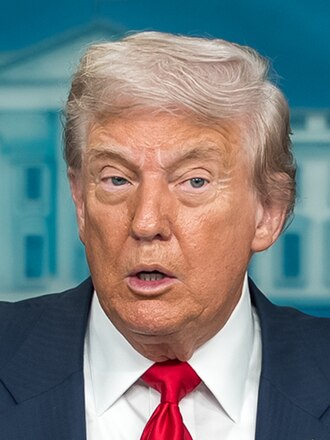
International allies are currently evaluating requests from the United States to contribute to maritime security operations in the Strait of Hormuz. This development follows a direct appeal from U.S. President Donald Trump on March 16, urging global partners to assist in safeguarding the critical shipping lane. The call for support arises amidst heightened tensions and reported disruptions to global oil supplies.
President Trump's request is a direct response to ongoing concerns regarding the Strait's navigability, which has been impacted by recent regional instability. The waterway is strategically vital, accounting for approximately one-fifth of the world's total oil supply transit. Disruptions in this area have immediate and significant implications for global energy markets.
International Responses to US Appeal
Japan's Prime Minister Sanae Takaichi indicated on Monday that Tokyo has no immediate plans to deploy naval assets for escort missions in the Strait. The Japanese government is reportedly examining potential independent actions, ensuring any involvement aligns with its existing legal frameworks and national interests. This cautious approach highlights the complexities nations face in responding to such international security requests.
Australia has also confirmed its position, with cabinet member Catherine King stating on Monday that the nation would not dispatch naval vessels to assist in reopening the Strait. This decision underscores a selective engagement strategy among U.S. allies, where national priorities and resource allocation play a significant role in determining participation in international security initiatives.
South Korea's presidential office, in a statement issued on Sunday, affirmed its intention to maintain close communication with the United States before finalizing any decision regarding its potential involvement. This consultative stance reflects the diplomatic considerations and strategic alliances that influence responses to calls for military assistance.
Diplomatic Engagements and Regional Context
British Prime Minister Keir Starmer engaged in discussions with President Trump on Sunday, focusing on the imperative of restoring full navigability to the Strait of Hormuz. These high-level talks emphasize the diplomatic efforts underway to coordinate an international response to the situation. Further discussions concerning the broader Middle East conflict are anticipated between President Trump and Canadian Prime Minister Mark Carney.
The current situation in the Strait of Hormuz is set against a backdrop of increased regional tensions, particularly a three-week period marked by U.S.-Israeli conflict with Iran. This broader geopolitical context complicates international efforts to secure the waterway and stabilize global energy flows. The various responses from U.S. allies illustrate the diverse national interests and strategic calculations involved in multilateral security operations.
Implications
Country Impact: The varied responses from key allies like Japan, Australia, and South Korea indicate a nuanced approach to international security commitments, potentially reflecting domestic political considerations and differing strategic priorities. This could lead to a less unified international front than the U.S. might desire.
Industry Impact: The ongoing uncertainty surrounding the Strait of Hormuz, a critical chokepoint for oil transit, poses a significant risk to the global energy sector. Continued disruptions or perceived threats could lead to increased oil price volatility and impact shipping insurance premiums, affecting supply chains worldwide.
Market Impact: Global financial markets, particularly energy-related commodities, are likely to remain sensitive to developments in the Strait of Hormuz. Any escalation or resolution of the security concerns could trigger significant movements in oil futures, impacting inflation expectations and central bank policy considerations.