Trump Calls for China's Aid in Hormuz Security
Donald Trump urged China and allies to secure the Strait of Hormuz amid rising tensions and 20 vessel attacks, pushing Brent crude past $105.
Lauren Collins ·
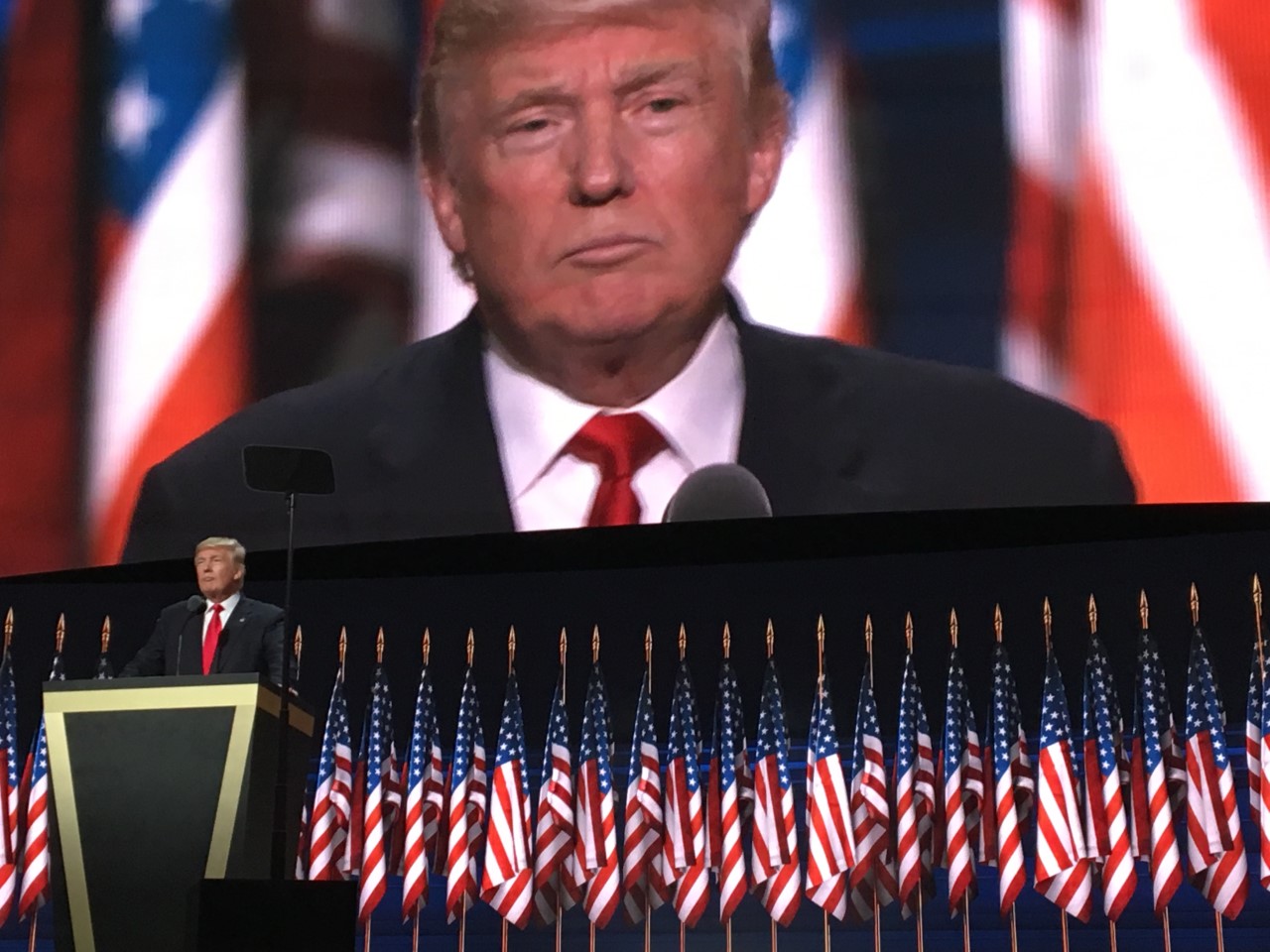
Former U.S. President Donald Trump recently called upon China and other international partners to assist in stabilizing the Strait of Hormuz. This critical maritime passage, vital for global oil shipments, has experienced significant disruptions amid escalating regional tensions.
Trump's statement on Sunday, March 15, 2026, highlighted the need for collective action to safeguard the strait. His appeal follows a period of heightened instability in the Persian Gulf, the Strait of Hormuz, and the Gulf of Oman, where at least 20 vessels have been targeted over the past three weeks.
Regional Instability and Maritime Threats
The UK Maritime Trade Operations (UKMTO) has maintained a critical maritime threat level for the region. This assessment persists despite a brief lull in reported incidents over the preceding three days, indicating ongoing concerns about shipping safety.
Further underscoring the volatile environment, Dubai International Airport experienced a temporary suspension of flights on March 11, 2026. This disruption was attributed to a fuel tank fire, which authorities linked to a "drone-related incident."
Geopolitical Context and Oil Market Reaction
The drone incident and maritime attacks are set against a backdrop of ongoing military engagements involving the United States, Israel, and Iran. These broader geopolitical dynamics contribute significantly to the regional instability affecting key shipping lanes.
Global oil markets have reacted sharply to the increased risks. Brent crude, a key international benchmark, surged past $105 per barrel, reaching its highest valuation since July 2022. This price increase reflects market anxieties over potential supply disruptions from the Middle East.
Outlook and International Engagement
Both the U.S. and Israel have indicated expectations for the current conflict to conclude within weeks. Specifically, Israel's military campaign is projected to continue for at least three additional weeks, suggesting a prolonged period of elevated tensions.
The call for China's involvement by a former U.S. President underscores the international community's concern over the Strait of Hormuz's strategic importance. Ensuring the free flow of energy through this waterway remains a priority for global economic stability, necessitating multilateral diplomatic and security efforts.
Implications
Country Impact: The ongoing instability in the Strait of Hormuz directly impacts global energy security, particularly for nations reliant on Middle Eastern oil imports. Calls for international cooperation, including from China, highlight the shared economic and strategic interests in maintaining regional stability.
Industry Impact: The oil and shipping industries face heightened operational risks and increased costs due to the critical maritime threat level. Elevated oil prices reflect market concerns over potential supply chain disruptions, affecting energy-intensive sectors globally.
Market Impact: Global energy markets are experiencing significant volatility, with Brent crude prices reaching multi-year highs. This instability could lead to broader inflationary pressures and impact economic growth forecasts worldwide, influencing investor sentiment across various asset classes.