Trump Seeks Hormuz Coalition Amid Iran Blockade
Donald Trump is forming a multinational coalition to reopen the Strait of Hormuz, following Iran's blockade and rising global oil prices.
Lauren Collins ·
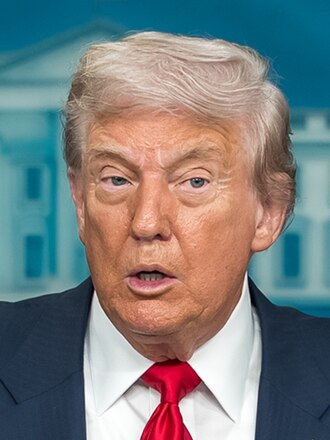
Former U.S. President Donald Trump is spearheading efforts to establish a multinational naval coalition aimed at ensuring the unimpeded passage of commercial shipping through the Strait of Hormuz. This initiative follows Iran's recent blockade of the critical waterway, which has disrupted global oil and gas supplies and contributed to escalating energy prices. An official announcement regarding the coalition's formation is expected later this week.
Mr. Trump has engaged in extensive diplomatic outreach over the past weekend, contacting leaders from several nations to secure commitments for what he terms the "Hormuz Coalition." He has specifically called upon China, France, Japan, South Korea, and the United Kingdom to contribute naval vessels, command-and-control infrastructure, unmanned aerial vehicles, and other military resources to the proposed force.
Diplomatic Engagements and Objectives
The former president's diplomatic efforts included discussions with British Prime Minister Keir Starmer. He is also scheduled to hold talks with Japanese Prime Minister Sanae Takaichi. A key focus of these discussions is to garner support for the coalition's operational framework and resource allocation. While no public commitments have been made by these nations as of Monday, U.S. officials anticipate formal announcements this week.
Mr. Trump is also pressing China for its participation ahead of an upcoming summit with President Xi Jinping. The primary objective of this coalition is to restore the free flow of oil through the Strait of Hormuz, a vital chokepoint for global energy markets. A significant portion of this oil is destined for countries outside the United States, underscoring the international economic implications of the blockade.
Strategic Considerations and Potential Actions
In addition to forming the coalition, Mr. Trump is reportedly considering the seizure of Iran's Kharg Island oil depot if commercial shipping through the strait remains obstructed. Such an action would necessitate the deployment of U.S. ground forces. He has characterized the potential mission as "small," citing Iran's perceived limited military capabilities in comparison to a multinational force.
This strategic move aims to stabilize international energy prices by ensuring the consistent supply of crude oil and natural gas. The Strait of Hormuz is a critical maritime route, with approximately one-fifth of the world's oil supply passing through it daily. Disruptions in this area have historically led to significant volatility in global commodity markets and geopolitical tensions.
Historical Context of Strait of Hormuz Tensions
The Strait of Hormuz has been a flashpoint for international tensions for decades, particularly concerning Iran's role in the region. Past incidents involving tanker seizures and naval confrontations have highlighted the strait's strategic importance. The current blockade represents a significant escalation, prompting a coordinated international response to safeguard global trade and energy security.
The proposed coalition seeks to deter further Iranian actions and maintain maritime freedom of navigation.
International Response and Market Implications
The international community is closely monitoring developments, as the stability of the Strait of Hormuz directly impacts global economic health. Energy markets have already reacted to the blockade with increased volatility. The success of Mr. Trump's diplomatic efforts will determine the scope and effectiveness of the proposed coalition, and its ability to de-escalate the situation and restore normal shipping operations.
Implications
Country Impact: The formation of a multinational coalition could reshape regional alliances and defense commitments, particularly for nations reliant on Middle Eastern oil. Countries like Japan and South Korea, major oil importers, face direct economic consequences from shipping disruptions.
Industry Impact: The global energy sector, especially oil and gas, faces significant price volatility and supply chain disruptions. Shipping and maritime insurance industries are also directly impacted by increased risk premiums and potential rerouting of vessels.
Market Impact: Global financial markets are likely to react to geopolitical tensions, with potential impacts on equity markets, bond yields, and currency valuations. Oil prices are expected to remain elevated until the situation in the Strait of Hormuz stabilizes, influencing inflation forecasts.