US Administration Faces Broad Legal Challenges
US administration faces broad legal challenges after Jan. 20, 2025 actions, including pardons, agency changes, and withdrawals affecting 60+ accords.
Lauren Collins ·
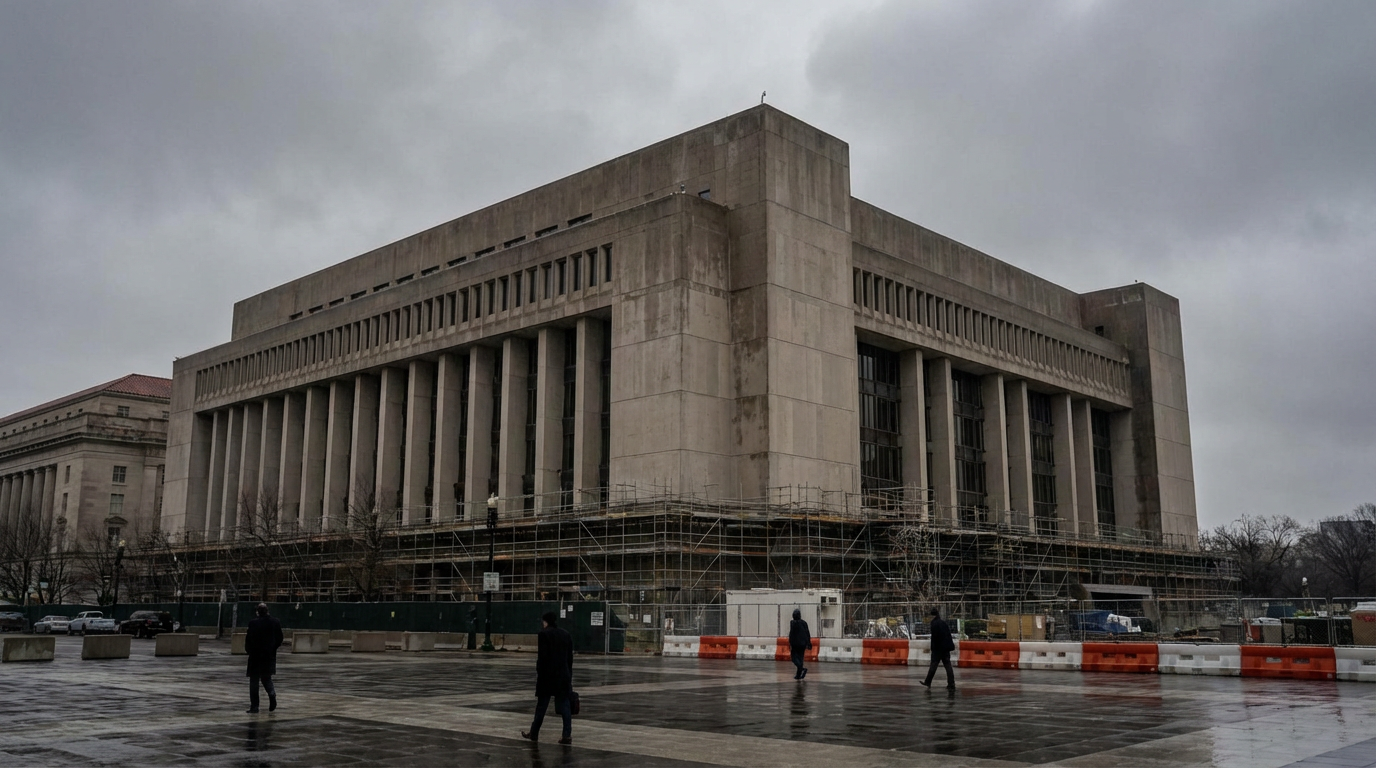
A US administration inaugurated on January 20, 2025, has moved quickly with executive actions that are now drawing extensive legal challenges. The disputes span domestic governance decisions, criminal case handling, and directives affecting the United States’ participation in international agreements and organizations.
Officials and litigants have raised questions in court about the scope of executive authority, the legality of specific administrative changes, and whether federal processes were followed. The legal pushback has emerged across multiple fronts, with several matters focusing on how decisions were made and who had the power to make them.
Executive actions trigger multiple court fights
Among the actions facing scrutiny are pardons for individuals involved in the January 6 events. Other steps include reclassifying civil service positions and dismantling federal agencies, moves that have also prompted litigation and legal threats.
Separate executive orders have directed withdrawals from numerous international organizations and treaties. According to the source material, these directives affect more than 60 international agreements and bodies, widening the potential legal and procedural questions beyond domestic policy.
Prosecutorial authority and case dismissals
Litigation has also arisen from specific prosecutorial actions. In one development, a federal judge dismissed indictments against former officials, citing a lack of authority from the interim U.S. Attorney.
The dismissal highlights a recurring legal issue in federal cases: whether the official bringing or maintaining charges has the proper authorization. The ruling, as described, turned on the judge’s view of the interim U.S. Attorney’s authority rather than the underlying allegations in the indictments.
Defense Department suit and AI supply chain designation
In another case, a civil suit has been filed against the Defense Department over a supply chain risk designation. The action involves a frontier AI firm challenging its classification, placing a national-security-linked procurement and risk decision into a courtroom setting.
While the source material does not detail the designation’s operational effects, the dispute centers on the firm’s effort to contest how it was labeled and the consequences that may follow from that determination.
Records preservation concerns over disappearing messages
Separately, concerns have been raised about preserving records tied to a prosecutor’s communications. The warnings focus on disappearing messages that may constitute federal records, raising compliance questions about retention obligations.
These issues add another legal dimension to the broader wave of challenges: whether communications connected to official duties are being properly maintained. The scope of any potential violations, and what records may have been lost, remains unclear based on the information provided.