Iris Scans: Your New Login for Tinder and Zoom
Tinder and Zoom added World iris scans to verify users and curb AI bots and deepfakes, offering a “proof of humanity” badge.
Jason Kwon ·
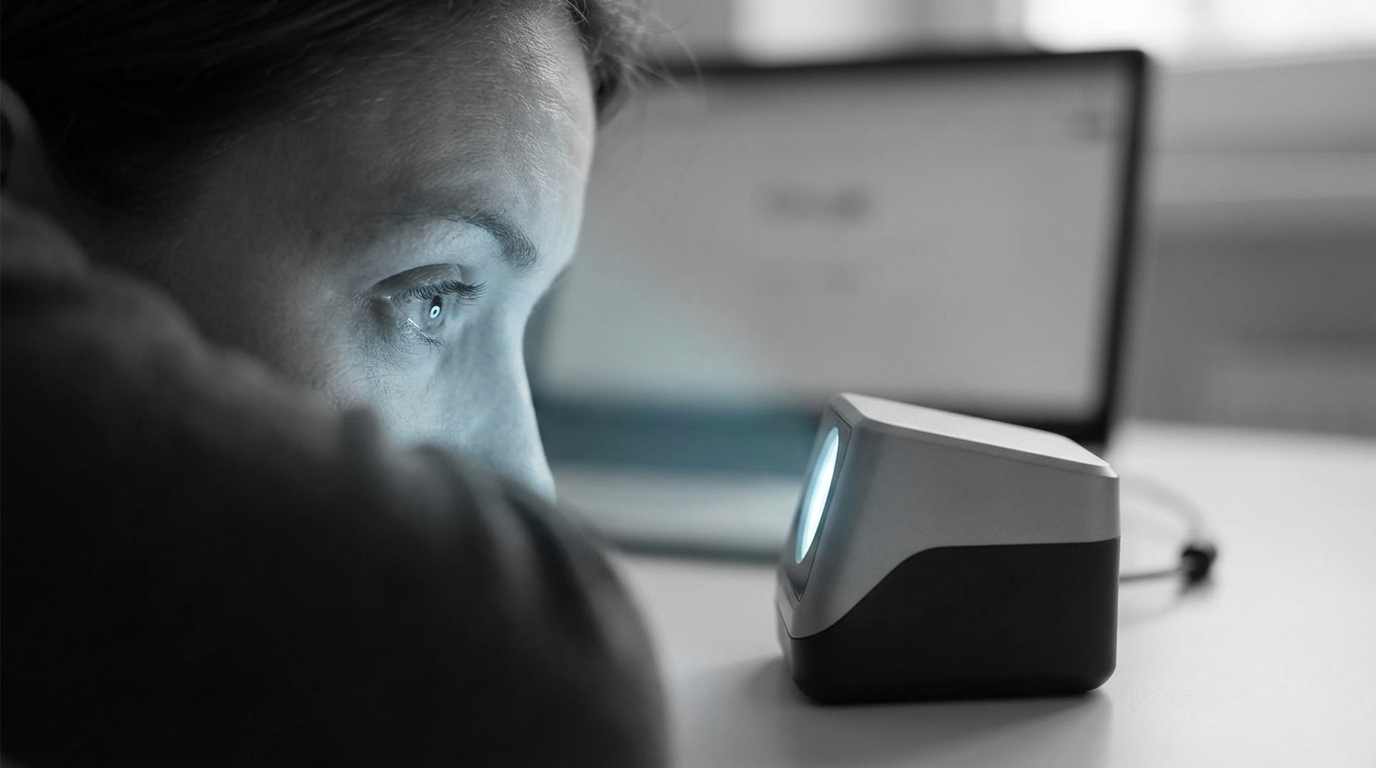
Tinder and Zoom have added iris-scanning verification technology from World , a Tools for Humanity initiative, as they seek to confirm user identity and reduce AI-generated impersonation across their platforms. The initiative was announced Friday in San Francisco and is designed to help users prove they are human in an online environment increasingly shaped by bots and synthetic media.
Under the integration, users can scan their irises to receive a “proof of humanity” badge on their profiles. The stated goal is to distinguish real people from AI bots and deepfakes, addressing concerns about AI-enhanced fake accounts and manipulated content that can undermine trust in digital interactions.
For Tinder, owned by Match Group, the move comes as AI-driven romance scams have become a growing issue. Officials have pointed to consumer losses tied to these schemes, with the U.S. Federal Trade Commission reporting that more than $1 billion was lost to romance scams last year. The new verification option is positioned as an added safeguard alongside existing checks such as video selfies, with the aim of making it harder for fraudulent accounts to appear credible.
Zoom is also adopting the technology as it confronts increasingly sophisticated deepfakes. The company has highlighted the risks posed by realistic synthetic video and audio, including a 2024 incident in Hong Kong in which a worker was defrauded of $25 million after video deepfakes of colleagues were used to facilitate the scam. The integration is intended to strengthen confidence in who is on the other end of a call or interaction, particularly as deepfake tools become more accessible.
World, co-founded by OpenAI CEO Sam Altman, uses the unique patterns of the human iris to verify identity. The system stores a unique identification code on a user’s smartphone as a World ID, which the company describes as a way to confirm a person’s humanity without relying solely on traditional credentials. World said 18 million individuals have been verified through World ID to date, and that 450 million verifications have been recorded.
What remains unclear is how quickly users will adopt iris-based verification and how consistently the “proof of humanity” badge will be used across different features and regions. The companies framed the integration as an additional layer of security meant to improve trust and safety on participating platforms as AI-generated deception becomes a more prominent operational and reputational risk.