Global Protests Mark Al-Quds Day for Palestine, Iran
Thousands globally marked Al-Quds Day, demonstrating solidarity with Palestine and Iran, highlighting persistent geopolitical tensions and regional dynamics.
Cuneyd Erdogan ·
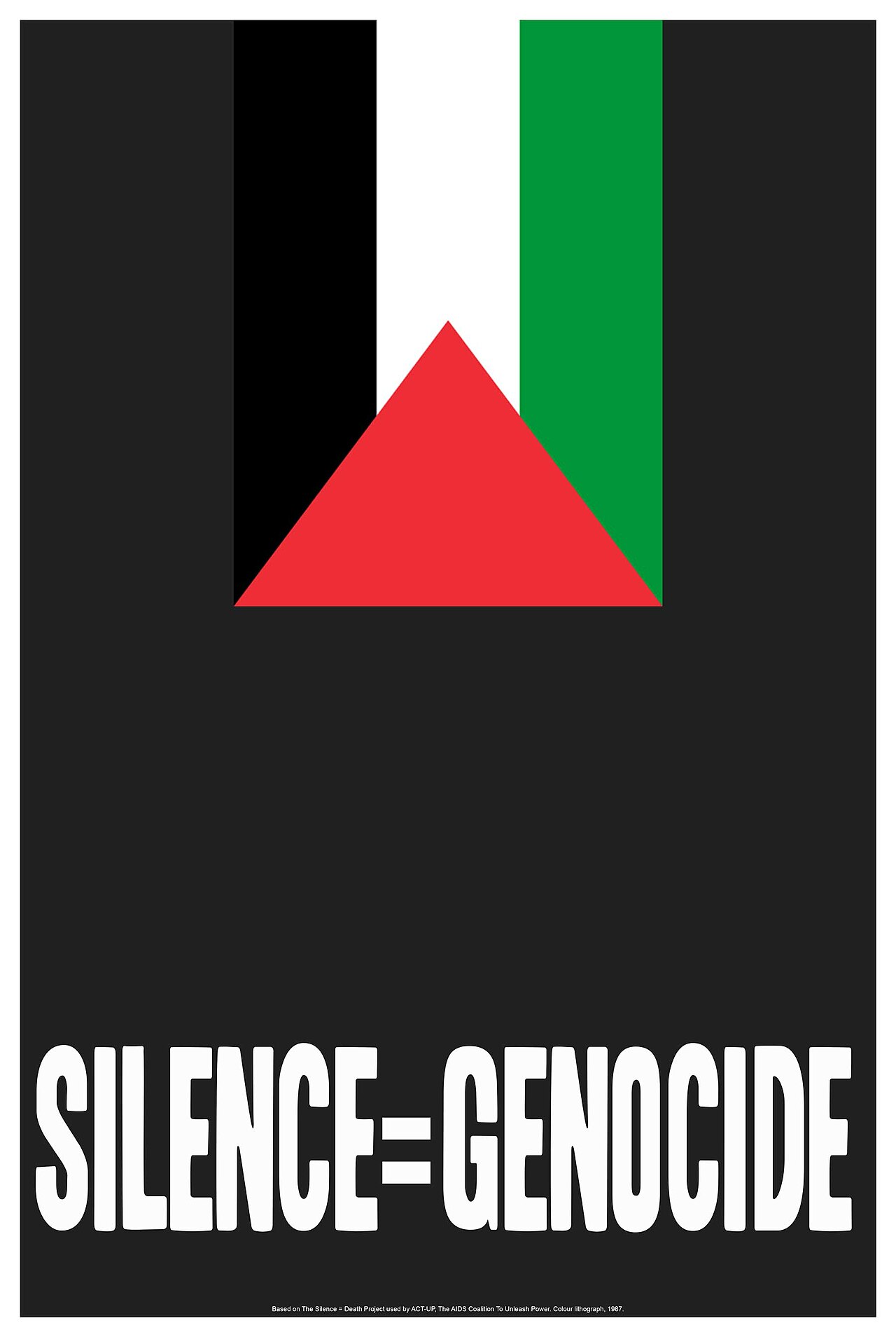
Thousands of individuals participated in demonstrations across various cities globally on Al-Quds Day, expressing solidarity with Palestinians and the Islamic Republic of Iran. These annual events, typically held on the last Friday of Ramadan, serve as a platform for political expression regarding the Israeli-Palestinian conflict and broader regional dynamics.
Origins of Al-Quds Day
Al-Quds Day, also known as Jerusalem Day, was initiated in 1979 by Ayatollah Ruhollah Khomeini, the founder of the Islamic Republic of Iran. Its primary purpose was to express support for Palestinians and to call for the liberation of Jerusalem from Israeli control. The observance has since expanded beyond Iran, with various groups and communities worldwide participating.
Global Participation and Themes
Demonstrations were reported in numerous countries, including Iraq, Syria, Lebanon, Pakistan, and parts of Europe and North America. Participants often carried Palestinian flags, banners with anti-Israeli slogans, and images of prominent figures. Common themes included condemnation of Israeli policies, calls for an independent Palestinian state, and criticism of international inaction regarding the conflict.
In some locations, the protests also featured expressions of support for Iran, particularly in the context of its regional geopolitical standing. The events frequently draw a diverse range of participants, from religious groups to political activists and human rights advocates.
Regional Context and Geopolitical Significance
The timing of Al-Quds Day, coinciding with the end of the holy month of Ramadan, often amplifies its significance. The demonstrations occur amidst ongoing tensions in the Middle East, including the protracted Israeli-Palestinian conflict, regional proxy confrontations, and debates surrounding Iran's nuclear program and its role in the region.
These annual protests are viewed by some as a barometer of public sentiment regarding these complex issues. They also highlight the enduring nature of the Palestinian cause as a unifying factor for various political and religious movements across the globe.
Security Measures and Counter-Protests
Authorities in several cities implemented heightened security measures to manage the demonstrations and prevent potential clashes. While most protests proceeded peacefully, some locations reported minor confrontations or counter-protests by groups expressing support for Israel or opposing the Iranian government's policies. The scale and intensity of these events can vary significantly year to year, influenced by current geopolitical developments and local political climates.
International Reactions and Media Coverage
International media outlets provided coverage of the global demonstrations, often highlighting the diverse participation and the political messages conveyed. Reactions from governments and international bodies typically vary, with some acknowledging the right to peaceful protest, while others express concerns over the rhetoric or potential for incitement. The events underscore the deep divisions and strong emotions surrounding the Israeli-Palestinian conflict and Iran's regional influence.
Implications
Country Impact: The demonstrations highlight persistent public sentiment in various countries regarding the Israeli-Palestinian conflict, potentially influencing domestic political discourse and foreign policy stances. Governments may face pressure to address these concerns.
Industry Impact: While direct industry impact is limited, sustained geopolitical tensions, often reflected in such protests, can contribute to market uncertainty, particularly in energy sectors and regional trade routes. This can indirectly affect investment decisions.
Market Impact: Global financial markets generally do not react directly to Al-Quds Day protests unless they escalate into significant geopolitical events. However, the underlying tensions they represent contribute to broader risk assessments, particularly for emerging markets in the Middle East.