UN Panel Cites US Migration Policies, Rhetoric
A UN committee has criticized US migration policies and rhetoric, citing "grave human rights violations" and "racist hate speech" by leaders.
Cuneyd Erdogan ·
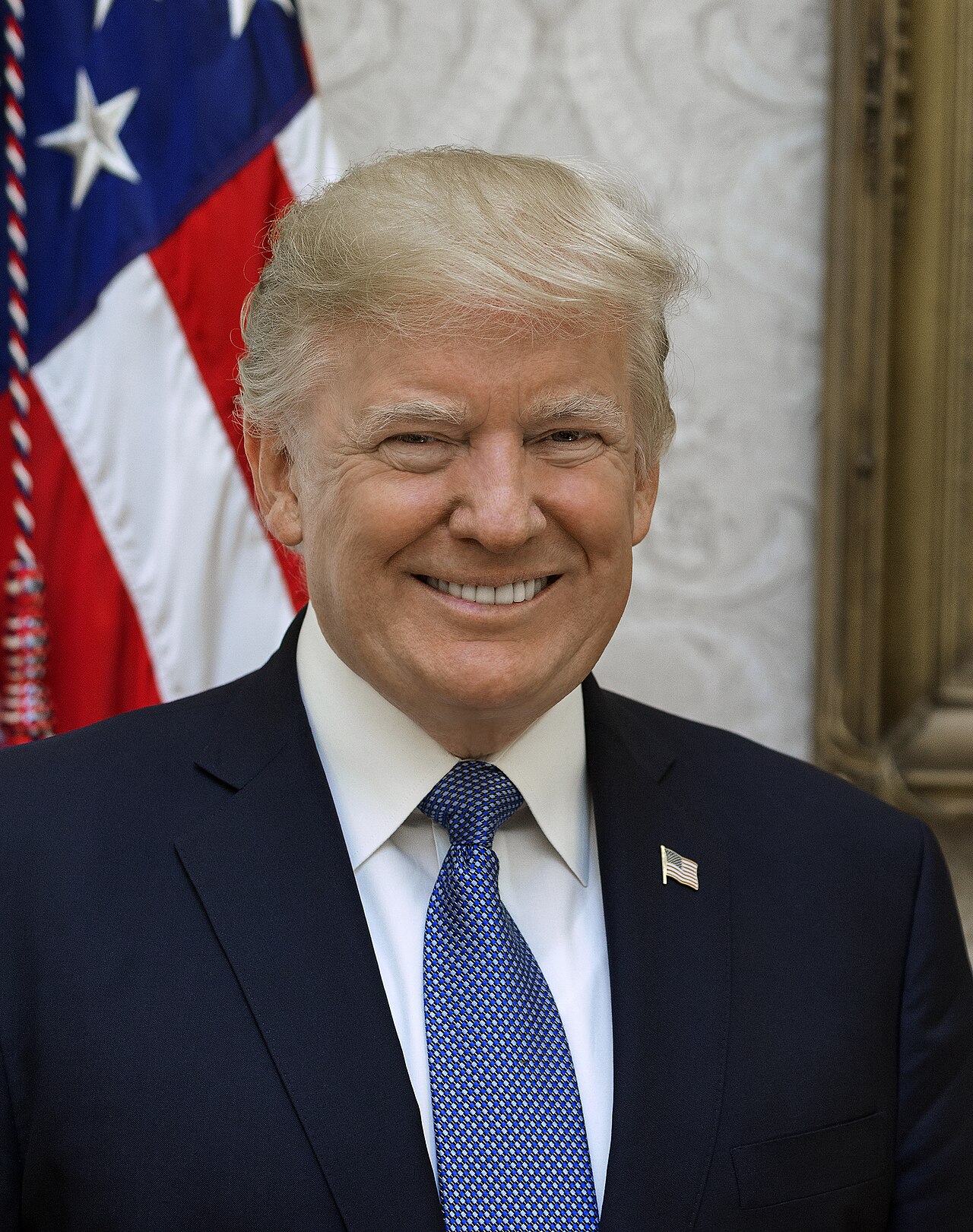
A United Nations human rights committee has expressed concern regarding the United States' migration policies and the rhetoric employed by some political figures. The UN Committee on the Elimination of Racial Discrimination (CERD) issued a non-binding decision this week, highlighting what it described as "grave human rights violations" linked to intensified migration crackdowns and the use of "racist hate speech" by former President Donald Trump and other U.S. leaders.
The committee specifically noted its disturbance by the "dehumanizing language" directed at migrants. This assessment comes as the U.S. faces scrutiny over its adherence to international human rights standards, particularly concerning its treatment of migrant populations.
International Obligations and Concerns
CERD's decision calls upon the United States to fulfill its commitments as a signatory to the International Convention on the Elimination of All Forms of Racial Discrimination. This convention, ratified by the U.S. in 1994, obliges member states to prevent and condemn racial discrimination in all its forms.
The committee's findings are part of its regular review process, which assesses how signatory nations are implementing the convention. While CERD's decisions are not legally binding, they carry significant moral and diplomatic weight, often influencing international perceptions and domestic policy debates.
Context of US Immigration Policy
The United States has experienced significant shifts in its immigration policies and enforcement strategies over recent years. The Trump administration, in particular, implemented a series of stringent measures, including increased border security, family separations, and restrictions on asylum claims. These policies often generated considerable domestic and international controversy.
Public discourse surrounding immigration in the U.S. has also become increasingly polarized. Critics argue that certain political statements and policies contribute to a hostile environment for immigrant communities, potentially exacerbating discrimination and human rights issues. Supporters of stricter immigration controls often cite national security concerns and the need to manage border flows.
Global Implications of UN Findings
The UN committee's statement underscores ongoing international attention to human rights practices within major global powers. Such pronouncements can influence diplomatic relations and provide leverage for advocacy groups working on migrant rights. The U.S. government's response to these findings will be closely watched by international organizations and human rights observers.
This development occurs amidst a broader global context of increasing migration flows and challenges in managing diverse populations. The committee's emphasis on rhetoric highlights the perceived link between political language and the potential for discrimination and human rights abuses against vulnerable groups.
Outlook on US Policy and Discourse
The current U.S. administration has indicated a shift in immigration policy direction compared to its predecessor, though challenges at the southern border persist. The UN committee's report serves as a reminder of the international community's expectations regarding human rights standards, irrespective of domestic political changes. Future U.S. immigration policies and the tone of public discourse will continue to be subjects of international scrutiny and debate.
Implications
Country Impact: The UN committee's findings could intensify domestic debates within the U.S. regarding immigration policy and human rights. It may also pressure the current administration to demonstrate stronger adherence to international human rights conventions.
Industry Impact: There are no direct industry-specific implications from this report. However, companies with significant international operations or diverse workforces may face increased scrutiny regarding their own human rights practices and diversity policies.
Market Impact: The non-binding nature of the decision means there are no immediate direct market impacts. However, sustained international criticism on human rights issues could subtly affect investor sentiment towards a country's governance and stability in the long term.