Welsh Child Poverty Stuck at 32% Before Election
Child poverty in Wales remains 32% ahead of the May 7 Senedd election, with parties offering childcare, payments, or tax-cut plans.
Cuneyd Erdogan ·
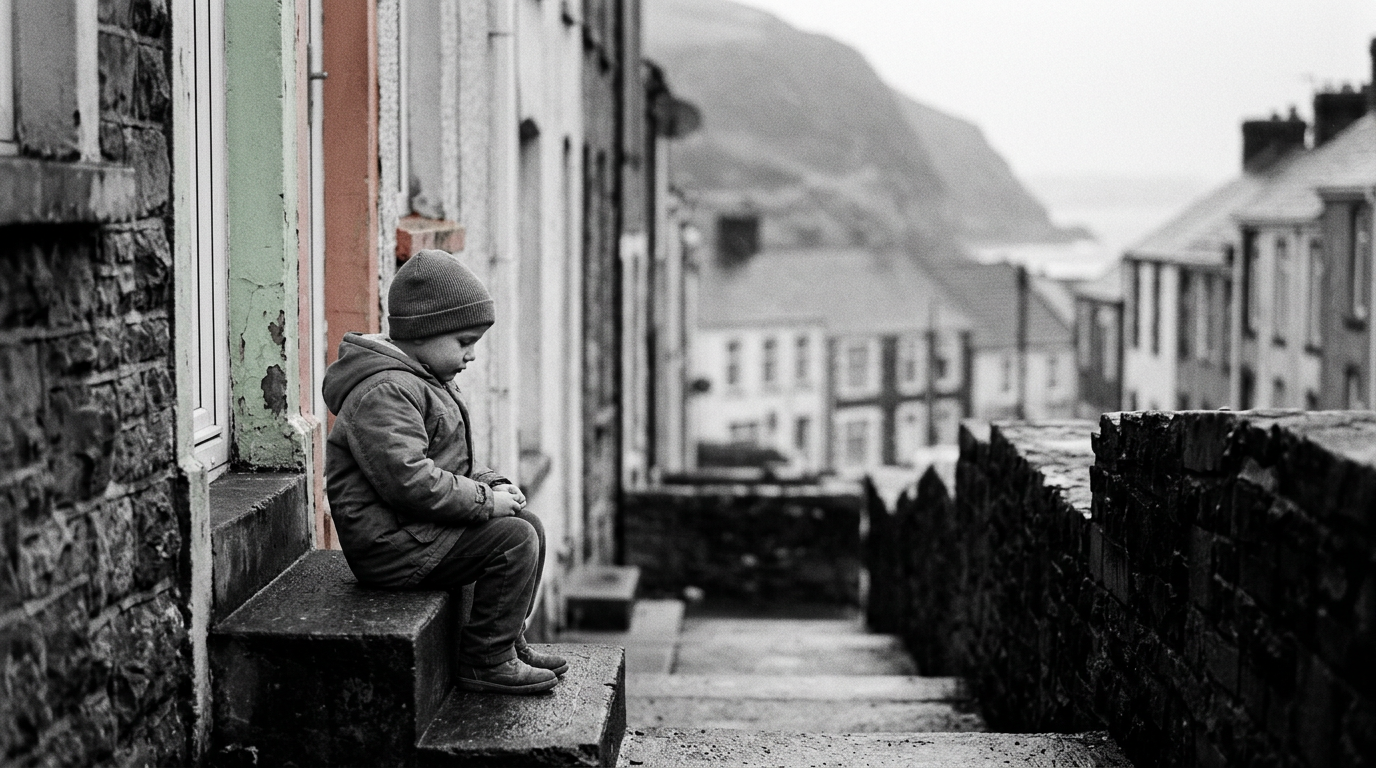
Child poverty in Wales remains at 32% , the highest level among the four UK nations, and the rate has been broadly unchanged for around three decades. The persistence of the figure keeps pressure on policymakers as families continue to face day-to-day financial strain and unexpected costs.
The issue is particularly acute for some household types, including single parents, who officials and advocates say can struggle to cover routine expenses while also managing emergencies. Despite multiple government policies intended to reduce hardship, the overall rate has not shifted materially, leaving the incoming Welsh government with a major social and economic challenge.
Rocio Cifuentes, the Children’s Commissioner for Wales, said there has been an increase in families experiencing “deep poverty.” She defined deep poverty as households with incomes below 40% of the median after housing costs. According to the commissioner, the rise in deep poverty is showing up in practical ways, including children arriving at school without adequate provisions and families being forced into difficult trade-offs between essentials.
Cifuentes has called for the reinstatement of a child poverty elimination target, which was dropped in 2016. The commissioner’s position places renewed focus on how the Welsh government measures progress and sets accountability mechanisms, particularly when headline rates remain stubbornly high.
The debate is also moving into electoral politics. Parties contesting the Senedd election on May 7 have set out different proposals aimed at easing the cost of living crisis, with child poverty a central concern. Several parties — the Welsh Conservatives, Greens, Labour, and Liberal Democrats — have pledged to extend free childcare, presenting it as a way to reduce household costs and support parents.
Other parties are offering alternative approaches. Plaid Cymru has proposed a £10 weekly payment for some low-income families. Reform has put forward an income tax cut as its main policy response to the cost of living.
While the 32% figure provides a clear headline, the commissioner’s comments underline uncertainty about how conditions are changing beneath the surface, particularly for families in deep poverty. With the election approaching, the scale of the challenge and the effectiveness of competing policy pledges remain key unknowns for households affected and for the next Welsh administration.