US Ties Health Aid to Zambia's Mineral Access
The US has linked Zambia health funding to wider mineral access, with an April 30 deadline, as HIV prevention and testing services decline.
Cuneyd Erdogan ·
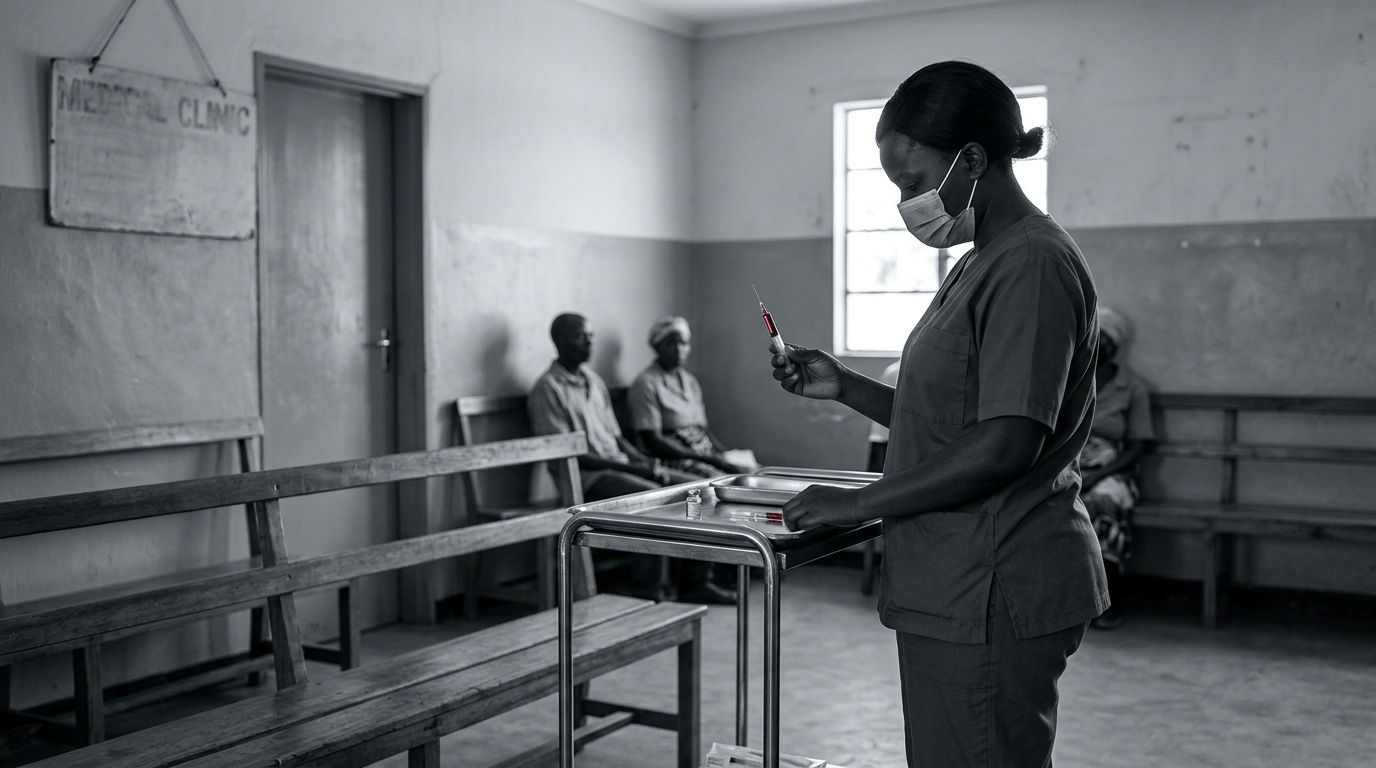
The US administration has tied health funding for Zambia to expanded access to the country’s mineral resources, according to the source material. The approach marks a departure from typical health funding arrangements, which usually focus on requiring recipient governments to raise their own health spending.
Zambia, described as a major producer of copper, lithium, and cobalt, has been given a deadline of April 30 to accept the revised terms. The source material says the change comes as the US government has implemented broader reductions in foreign aid.
Draft memo outlines pressure strategy
A draft memo from the State Department’s Africa Bureau sets out a strategy that includes publicly withdrawing support from Zambia to secure US priorities, according to the source material. The memo is described as part of a shift in how the funding relationship is structured.
The source material also links the policy change to an effort to counter what it calls perceived unfettered access by other nations to Zambia’s mineral wealth. No additional details are provided in the source material about which countries are referenced or what specific mineral-access terms are being sought.
Health services reduced as funding structure changes
The altered funding structure has already contributed to a reduction in HIV prevention services and testing in Zambia, the source material says. It adds that the pullback has raised concerns about public health outcomes.
According to the source material, most people who are on HIV treatment are still receiving medication. However, it also states that a significant number of individuals have stopped treatment.
Concerns over prevention and early detection programs
The source material says the discontinuation of prevention and early detection programs could have longer-term consequences. It specifically cites index testing and early infant diagnosis as examples of programs that have been halted.
It adds that ending these services could result in higher infection rates and delays in starting treatment, because fewer cases may be identified early. The source material does not quantify the scale of service reductions or the number of people affected.
The April 30 deadline leaves uncertainty over whether Zambia will accept the new terms and how the funding relationship will proceed if it does not, based on the information provided.