Clinical trials and FDA clearances back AI imaging tools, but routine adoption remains uneven
Despite proven diagnostic advantages, medical AI tools face slow integration into clinical practice due to implementation and reimbursement challenges.
Jason Kwon ·
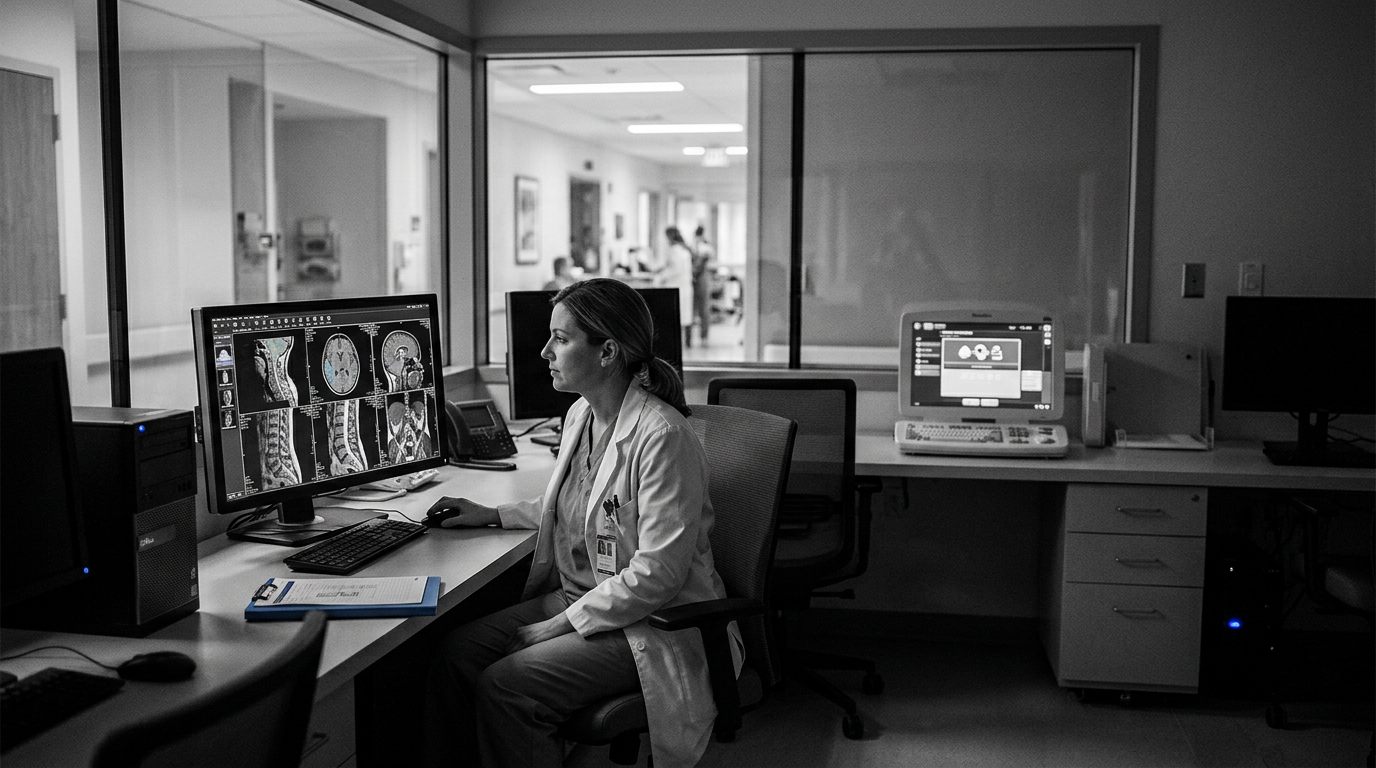
Randomized clinical trials and U.S. regulatory clearances suggest several artificial intelligence (AI) tools for medical imaging can perform well, but those advances have not consistently translated into routine use in day-to-day patient care, according to an analysis published May 3, 2026.
The analysis notes that some deep-learning systems have been described as offering “superhuman vision” when interpreting medical images. However, it argues the larger challenge is moving from validation studies to dependable integration into clinical workflows—an area where adoption remains uneven.
Evidence is growing, but uptake is inconsistent Mammography The analysis highlights AI tools supported by a randomized trial involving more than 100,000 women, as well as two recent U.S. Food and Drug Administration approvals. Even so, it says the tools are not yet used universally in clinical practice.
Colonoscopy The analysis cites four randomized trials reporting that AI assistance improves detection of adenomatous polyps compared with gastroenterologists working without AI. Despite that evidence, it says AI support has not become standard practice.
Retinal imaging Retinal imaging is presented as another area where research has outpaced implementation. The analysis says deep-learning models have been shown to predict more than 15 conditions—including cardiovascular disease, stroke, and Parkinson’s—from retinal images.
Despite more than 100 million Americans undergoing annual eye examinations, the analysis says these AI capabilities remain largely absent from routine eye exams.
Why implementation is lagging The analysis attributes slow translation into practice to several factors, including limited coordinated efforts to integrate AI into clinical workflows, reimbursement challenges, and a lack of clear pathways for deploying validated technologies at scale.
As an example of the gap between promising results and routine use, the analysis points to a pancreatic cancer detection AI tool published the prior week. It reportedly detected ductal adenocarcinoma up to three years earlier than radiologists and nearly doubled detection of occult pancreatic ductal adenocarcinoma (73% vs. 39%). The analysis argues that even findings of this kind can still face major hurdles before they are adopted widely in clinical care.