The Odyssey opens with $264.1 million global debut weekend
The Odyssey opened to $264.1 million worldwide, giving Christopher Nolan a stronger debut than Oppenheimer and Universal a major summer test.
Ayla Demirhan ·
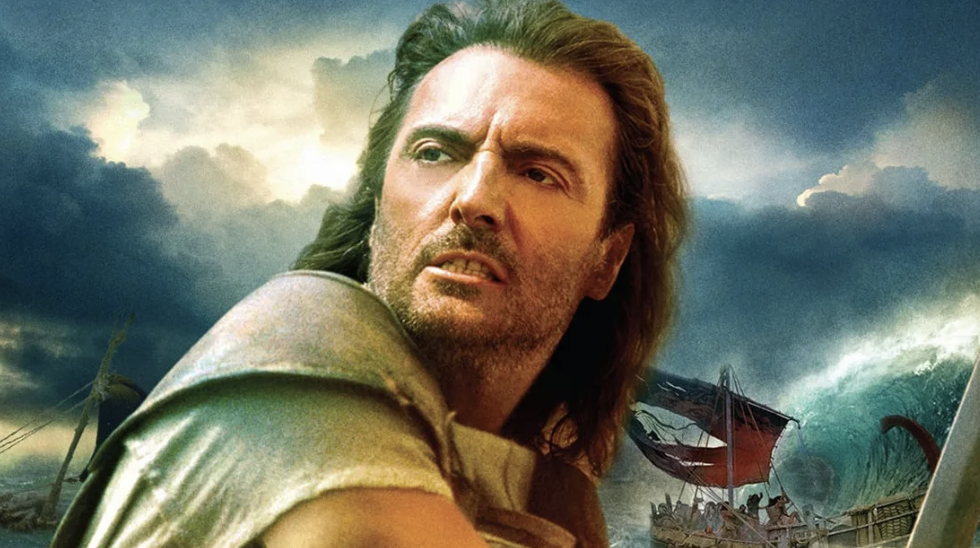
The Odyssey opened to $264.1 million worldwide, giving Christopher Nolan a stronger debut than Oppenheimer and Universal a major summer test.
Nolan's $264.1 million launch
The film collected an estimated $124.5 million domestic and $139.6 million overseas in its first frame. That split put overseas markets slightly ahead of the domestic haul and gave the R-rated adaptation a global start above Nolan's 2023 awards winner.
For Nolan, the result is his strongest opening since The Dark Knight Rises in 2012. For Universal, it is an immediate proof point for one of the season's largest bets, a $250 million production built around a director rather than a modern franchise.
Universal's expensive R-rated wager
The opening matters because the project carries a rare commercial profile: a large-scale adaptation of Homer's epic poem released into a market where studio hits often depend on familiar rights and repeatable brands. Nolan has now turned one of literature's oldest stories into a mass-audience release with blockbuster pricing pressure attached.
The comparison with Oppenheimer is central to the business case. That film won best picture in 2023 and gave Nolan fresh leverage with audiences, exhibitors and Universal, but The Odyssey entered theaters with a much larger stated production cost.
At $250 million, the film ranks among the most expensive R-rated movies described in the supplied material. That rating creates a sharper test for the release, because the movie must convert adult interest into sustained ticket sales while competing for summer attention.
Old literature meets modern IP
The debut also gives Hollywood a clean case study in director-led demand. Studios have spent years leaning on brands, sequels and rights-backed properties because those projects arrive with pre-sold awareness; Nolan is one of the few filmmakers who can function as the brand himself.
That does not erase the risk. A strong first weekend can be driven by loyal fans and premium-format demand, while the harder measure is whether casual audiences keep buying tickets after the initial surge.
For theater operators, the early global split is useful. The $139.6 million overseas estimate shows the title reached beyond its domestic base from the start, which matters for a production cost that requires broad geographic support rather than a single-market breakout.
Three paths after opening weekend
If the opening pace holds through the next several weeks, Universal gets more room to absorb the film's $250 million production cost and Nolan's negotiating power strengthens. At the industry level, studios would have fresh evidence that auteur-driven spectacle can compete with rights-heavy franchises across global markets.
If sales cool quickly, the same numbers will look less decisive. Universal would face a tighter path to profitability, theaters would be left with a front-loaded event rather than a long-running draw, and other studios may treat literary prestige projects as riskier than the first weekend suggests.
A third path sits between those outcomes: solid international endurance with softer domestic legs. In that case, the global box office would show the value of overseas scale, Universal would lean on international revenue to support the wager, and the sector would read the film as proof that adult-skewing spectacle can travel when attached to a filmmaker with global recognition.
The open questions are specific. The film still has to prove staying power, Universal's full marketing spend was not available in the supplied excerpt, and the R-rated label leaves less room for family-audience expansion than broader-rated summer releases.