Bieber joins World Cup halftime show as fourth headliner
Justin Bieber will join Madonna, Shakira and BTS in the World Cup halftime show, supporting FIFA and Global Citizen’s education fund.
Ayla Demirhan ·
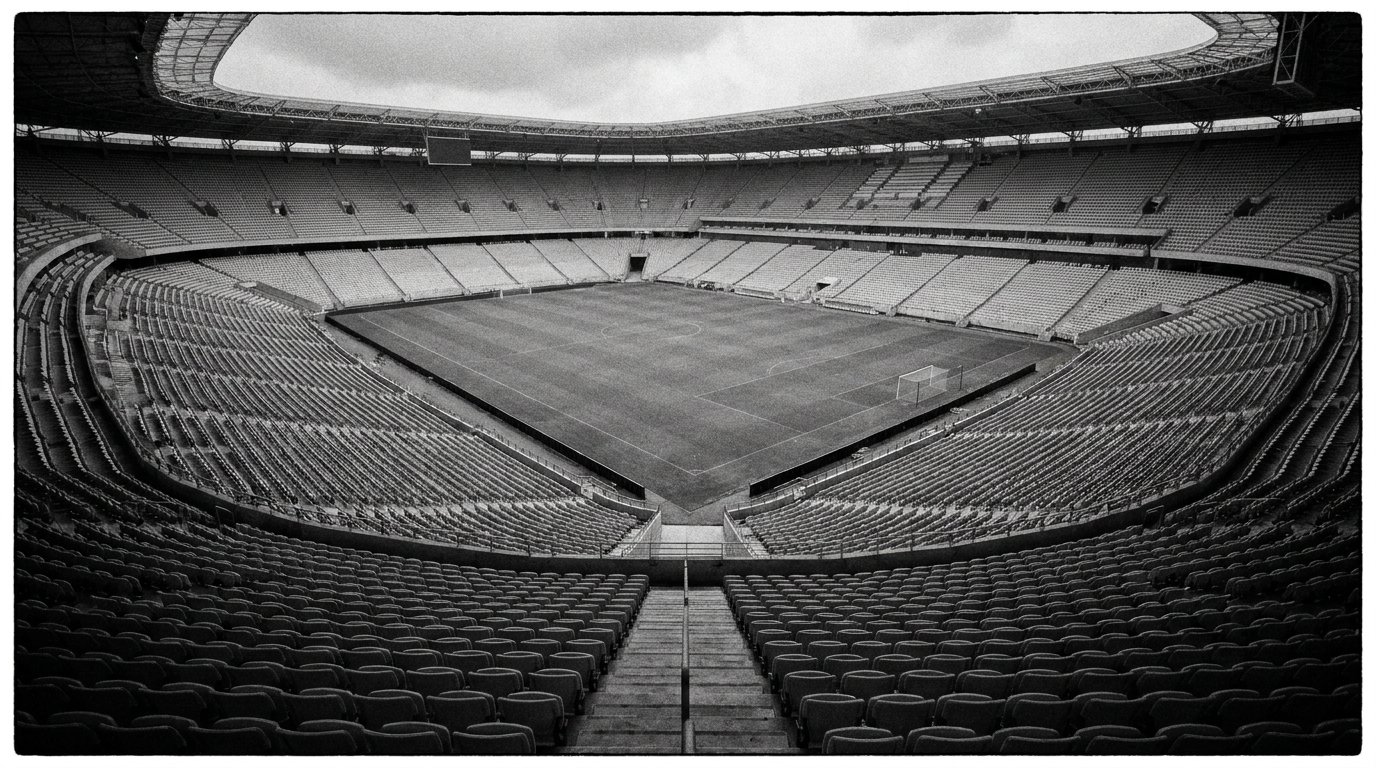
World Cup halftime show organizers added Justin Bieber to the July 19 final bill, pairing pop, Latin, K-pop and classical names at MetLife Stadium.
FIFA and Global Citizen said on Wednesday, July 8, that Bieber would perform at the final, making him the fourth announced headliner for what FIFA has described as the first halftime show at a World Cup final. The match is scheduled to kick off at 3 p.m. ET in East Rutherford, New Jersey.
Bieber joins four-name headline bill
The show is now led by Bieber, Madonna, Shakira and BTS, a lineup designed to cut across several of the world’s largest music audiences. FIFA said Coldplay’s Chris Martin curated the bill, giving the event a pop-industry architect with experience in stadium-scale performances.
Other featured performers widen the range beyond mainstream pop. Burna Boy, conductor Gustavo Dudamel and PS22 Chorus, the elementary school choir from a public school in Staten Island, New York, are also listed for the program.
Bieber, 32, tied his appearance to the charitable purpose of the event. "The FIFA World Cup brings the world together in a way nothing else can. I’m grateful to be part of this Halftime Show, and even more grateful knowing it’s already helping expand access to education for children around the world," he said in a statement.
Education fund links tickets to aid
The halftime show is connected to the FIFA Global Citizen Education Fund, which FIFA said is working to raise $100 USD million. The fund’s stated purpose is to expand access to quality education and football for children around the world.
FIFA previously said USD 1 from every ticket sold to FIFA World Cup 2026 matches would go to the fund. The source material did not include a total ticket-sales estimate, so the amount generated through that mechanism cannot be calculated from the announcement alone.
The structure turns a final-day entertainment slot into a fundraising tool, not only a broadcast spectacle. For FIFA and Global Citizen, the clearest test is whether the global visibility of the final can translate into measurable funding for education projects.
MetLife hosts the final stage
The final will be played at MetLife Stadium, which FIFA also refers to as New York New Jersey Stadium, in East Rutherford. The venue gives the event a New York-area platform while keeping the match itself in New Jersey.
For Bieber, the booking places him inside one of the most watched sports settings in the world, alongside artists with deep international followings. For FIFA, the lineup helps position the final as a broader entertainment product around the match, not simply a sporting contest with a trophy presentation.
The wider live-event industry will watch how the format performs because the booking combines three commercial forces: elite football, global pop acts and cause-linked fundraising. If the halftime show strengthens audience attention without distracting from the match, similar sports properties may have a clearer template for pairing music programming with social campaigns.
The macro effect is indirect rather than measurable from this announcement alone. If the fund reaches scale through ticket-linked donations and related attention, the impact would sit in education access and youth sport participation, while FIFA would gain a reputational asset and the entertainment sector would see another route into global sports events.
If execution problems, audience fatigue or weak fundraising follow, the global economic effect would be negligible, Bieber’s benefit would be limited to visibility, and rights holders may be more cautious about expanding halftime programming. The immediate indicators are the final lineup’s reception, any later funding updates from FIFA and Global Citizen, and the broadcast handling of the July 19 show.