UN Security Council to Vote on Middle East Crisis
UN Security Council votes March 11, 2026, on resolutions for Middle East crisis after US-Israeli strikes on Iran and Iranian retaliation.
Lauren Collins ·
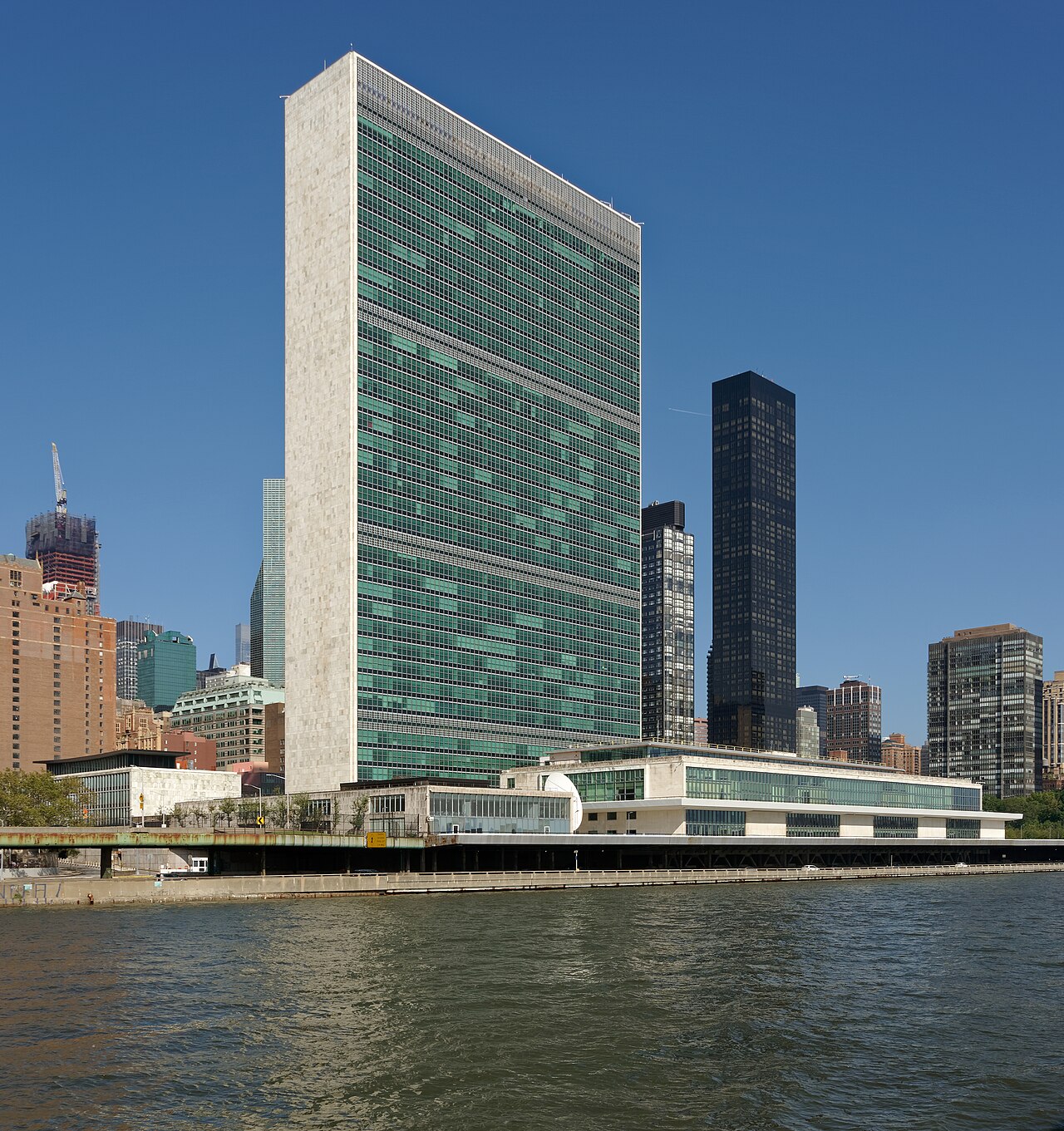
The United Nations Security Council is set to consider two distinct draft resolutions addressing the escalating Middle East crisis on Wednesday, March 11, 2026. These proposals emerge amidst a period of heightened regional conflict following recent military actions. One resolution has been put forward by Bahrain, representing the Gulf Cooperation Council (GCC) member states and Jordan, and has attracted significant international support, with over 85 UN member states co-sponsoring it.
Conversely, the Russian Federation has independently authored and submitted a separate draft resolution. The Security Council's deliberation on these texts underscores the international community's concern regarding the ongoing hostilities and their broader implications for global stability.
Escalation of Regional Hostilities
Iran subsequently launched retaliatory strikes across the region, targeting Israel and various countries hosting U.S. military installations. Both sides have been accused of striking critical infrastructure and civilian areas, leading to a significant loss of life. Iran's Permanent Representative to the UN reported on March 6 that over 1,300 individuals have died in Iran since the conflict's commencement.
Humanitarian Concerns and Casualties
International Diplomatic Efforts
These diplomatic maneuvers aim to either condemn specific actions, call for a ceasefire, or establish mechanisms for humanitarian aid and conflict resolution. The outcome of the vote will indicate the level of international consensus and the potential for a unified approach to mitigating the regional instability.
Outlook on Regional Stability
Implications
Country Impact: The ongoing conflict significantly destabilizes the Middle East, impacting national security and internal politics across several countries. Iran faces substantial infrastructure damage and casualties, while Israel and nations hosting U.S. bases experience retaliatory strikes. The humanitarian crisis is deepening, particularly in Iran.
Industry Impact: The escalation poses risks to global energy markets, potentially disrupting oil and gas supplies from the Middle East. Shipping and logistics industries operating in the region face increased security threats and higher insurance costs. Defense and security sectors may see increased demand for equipment and services.
Market Impact: Global financial markets are likely to react with increased volatility, particularly in oil prices and defense stocks. Investor confidence in emerging markets, especially those in the Middle East, could decline. Safe-haven assets like gold and government bonds may see increased demand amidst geopolitical uncertainty.