Iran Police Chief Issues Warning to Protesters
Iran's police chief warned protesters acting "at the enemy's request" would be treated as adversaries, amid ongoing anti-establishment demonstrations.
Lauren Collins ·
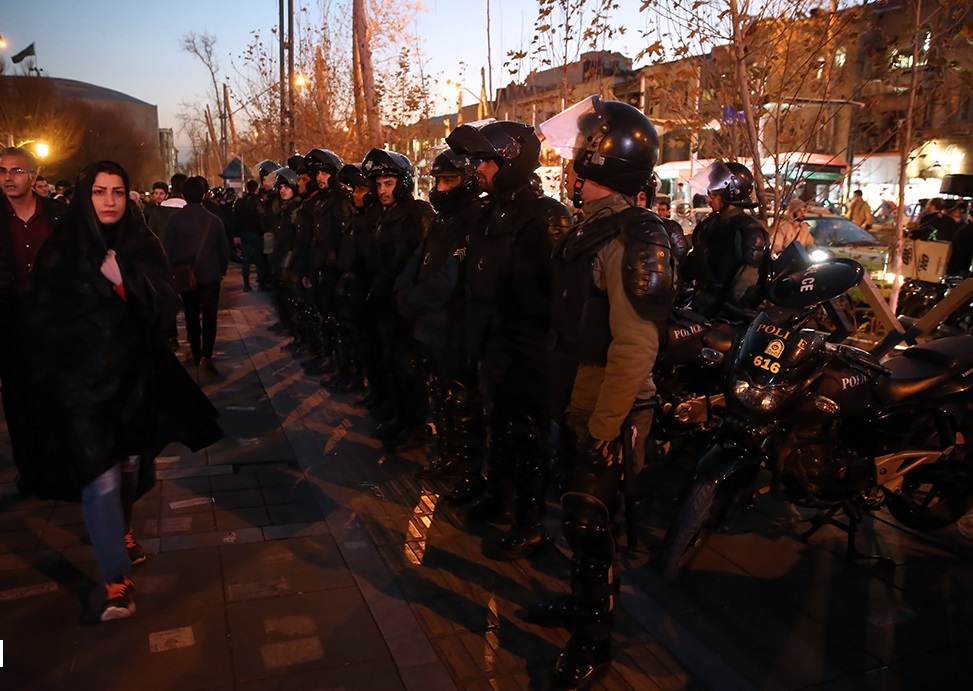
Iran's national police chief, Ahmad-Reza Radan, recently issued a stern warning regarding public demonstrations, stating that individuals protesting "at the enemy's request" would be considered adversaries of the state. This declaration was made during a televised address, signaling a firm stance from authorities on ongoing civil unrest.
This official statement from Tehran follows a period of sustained anti-establishment protests across Iran, which have been ongoing since late December. Security forces have reportedly been deployed continuously to manage potential public disturbances and maintain order.
Context of Recent Unrest
The current wave of demonstrations has drawn international attention, with some foreign political figures, including former U.S. President Donald Trump and Israeli Prime Prime Minister Benjamin Netanyahu, publicly encouraging Iranian citizens to protest the existing government. These external calls for dissent add a layer of complexity to the domestic situation.
Human Rights Concerns Emerge
Reports from human rights organizations indicate a significant number of casualties during the recent protests. The U.S.-based Human Rights Activists News Agency (HRANA) has documented at least 7,000 fatalities. This figure reportedly includes both active protesters and non-participants, as well as children, highlighting the severe impact of the security response.
Government's Stance on Dissent
The Iranian government views these protests as instigated by foreign adversaries, framing the participants as acting on behalf of external interests. This perspective underpins the police chief's warning, categorizing dissent as a national security threat rather than an expression of internal grievances.
Historical Precedent and State Response
Iran has a history of responding forcefully to large-scale demonstrations, often citing national security concerns and foreign interference. The current approach aligns with past patterns of suppressing unrest through robust security measures and official warnings against perceived external manipulation. The government's narrative consistently emphasizes stability and resistance to foreign influence.
International Scrutiny and Domestic Impact
The ongoing situation continues to draw scrutiny from international bodies and human rights advocates. The high reported casualty figures and the government's rhetoric suggest a deepening internal crisis with significant human rights implications. The sustained deployment of security forces indicates the authorities' commitment to preventing further escalation of the protests.
Implications
Country Impact: The police chief's warning signals a hardening stance by Iranian authorities against dissent, potentially leading to increased suppression of protests and further human rights concerns. This could exacerbate internal tensions and deepen the divide between the government and segments of the population.
Industry Impact: The political instability and government's firm response could deter foreign investment and impact sectors reliant on public stability. Domestic industries may face disruptions due to ongoing unrest and security measures.
Market Impact: Increased geopolitical risk stemming from Iran's internal situation could influence global oil prices due to concerns over supply stability from the region. Investor sentiment towards emerging markets, particularly in the Middle East, might also be negatively affected by perceived instability.