

Global energy crisis to slow 2026 growth, UNCTAD says
Global energy crisis is set to slow 2026 growth and trade, UNCTAD says, as Iran war and Strait of Hormuz disruptions lift costs.
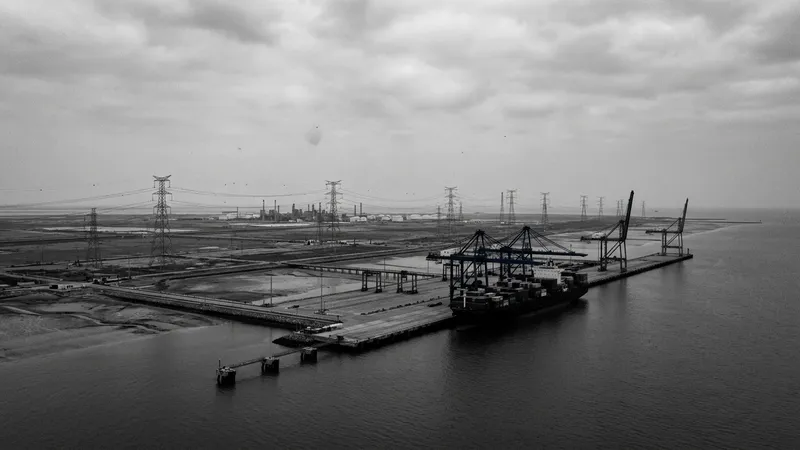
Global economic growth and trade are set to cool in 2026 as the global energy crisis spreads beyond a single chokepoint disruption, according to the United Nations Conference on Trade and Development (UNCTAD). UNCTAD said the crisis has been intensified by the Iran war and disruptions in the Strait of Hormuz, and is now weighing on the wider global economy even if the conflict does not escalate further.
UNCTAD forecasts global economic growth will slow to 2.6% in 2026, down from 2.9% in 2025. The agency linked the deceleration to higher energy prices, supply-chain disruptions that are affecting essential inputs such as fertilizers, and rising borrowing costs that tighten financial conditions for businesses and governments.
Trade is also expected to lose momentum. UNCTAD projects global merchandise trade growth will fall to a range of 1.5%–2.5% in 2026, compared with 4.7% last year. The outlook reflects a more cautious investment climate, with investors described as moving away from riskier assets in developing nations as the energy shock and financial pressures build.
UNCTAD said developing economies are bearing the heaviest strain, with some regions facing immediate operational constraints. In Southeast Asia, fuel shortages and rationing were cited as risks to industrial activity, highlighting how energy availability can quickly become a binding constraint for manufacturing and logistics when supplies tighten.
Governments in several countries have introduced emergency steps to manage shortages and price pressures. The measures cited include fuel rationing in Bangladesh, industrial gas caps in India, and national energy emergencies in the Philippines. UNCTAD noted that these actions, alongside tax cuts and subsidies used to cushion households and firms, are adding pressure to national budgets at a time when borrowing costs are also rising.
What it means for markets and policymakers is a more fragile baseline for 2026, with energy prices and financing conditions acting as key transmission channels. UNCTAD’s projections point to slower growth in both output and trade volumes, and to heightened sensitivity in developing economies where energy imports, fiscal space, and access to capital can be more constrained.
Key uncertainties remain tied to incoming data and updated price expectations. UNCTAD pointed to upcoming U.S. inflation data and revised oil price outlooks as near-term reference points that could further clarify the scale of the crisis’s economic effects, including how persistent price pressures and supply disruptions may be across regions and sectors.
More stories
- IRGC says tanker explodes near Hormuz mine route
- Take-Two faces $30 million GTA 6 leak threat
- TG Therapeutics leads Valneva on 12 of 14 measures
- Pune police detain 92 over election-roll protest
- Tesla takes 90% of output from Arizona solar project
- New Horizon posts $4.1 million Q1 loss as R&D rises
- UK SMEs brace for doubled heating oil energy bills
- Strait of Hormuz Tensions Send Oil Prices Soaring
- Hedge Funds Increase Short Positions in US, Asia; Favor European Equities
- IEA discussing further oil stock releases, chief Birol says
Latest news
- US disables cargo ship in Iran blockade breach
- Ronaldo Ranks Third in Football's 1,000-Game Club
- Republicans Prepare Bill to Curb Trump Russia Deal
- Nollywood Star Urges Investment in Ghanaian Actor LilWin
- Marvels' Box Office Flop Still Pivotal for MCU's Future
- Hefner's Ex-Wife Defends Legacy Amid Film Controversy
- Fatal shooting incident reported in Istanbul's Bagcilar district
- Chelsea's Chavarria Impresses in 5-1 Bournemouth Victory