Southern, Midwestern US Brace for Extreme Weather
Extreme weather hit the US South and Midwest over the weekend, with a deadly Texas tornado and major Georgia wildfires destroying homes.
Ayla Demirhan ·
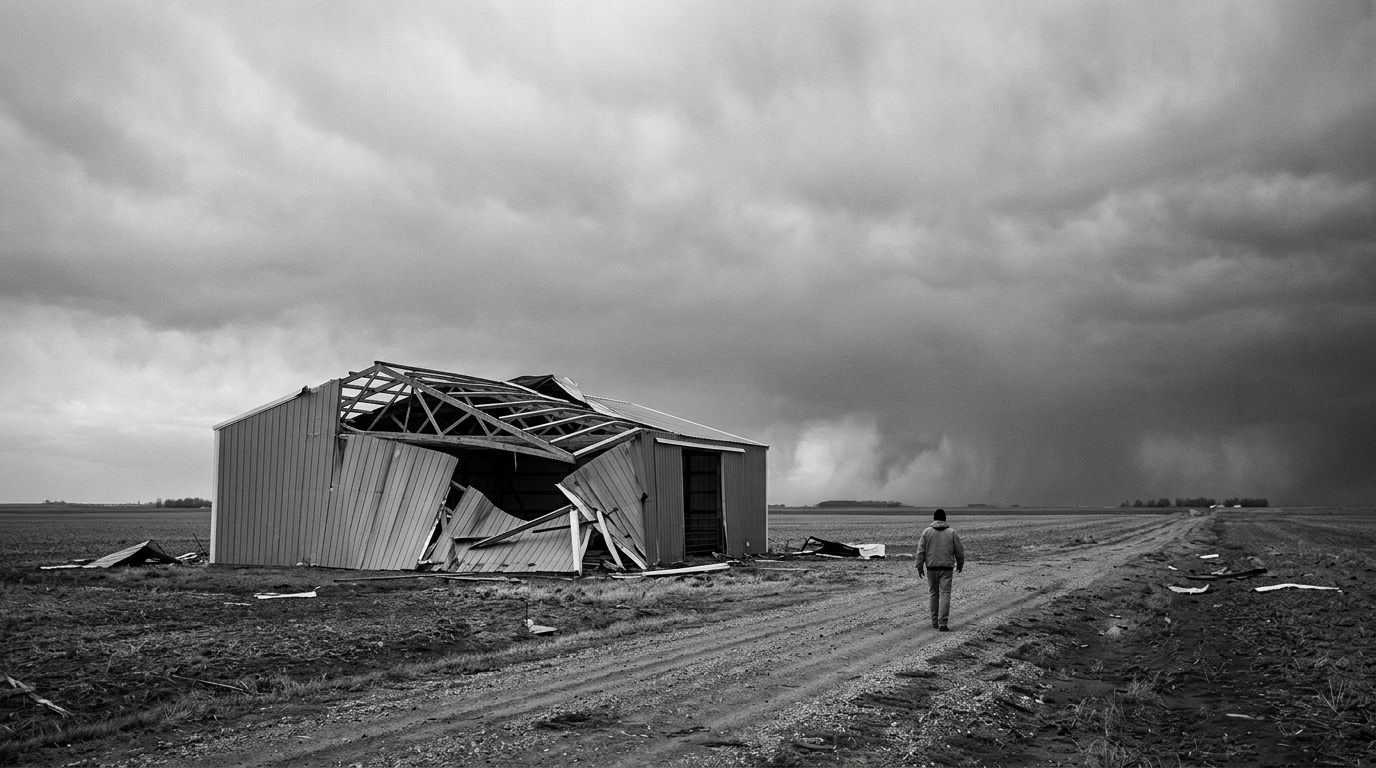
Severe weather swept parts of the southern and midwestern United States over the weekend, combining a deadly tornado in Texas with large wildfires in southeast Georgia. Officials reported at least one death and six injuries after a tornado struck northern Texas on Saturday night, while fire crews in Georgia worked to contain two major blazes that had already destroyed homes and burned tens of thousands of acres by Sunday morning.
In Texas, the tornado caused significant damage in Wise County. Authorities said 20 families were displaced, alongside extensive property losses. The National Weather Service said additional severe weather remained possible, including conditions that could trigger flash flooding.
In southeast Georgia, two large fires—the Highway 82 fire and the Pineland Road fire—together burned more than 40,000 acres (16,000 hectares) and destroyed 120 homes by Sunday morning, according to officials. The Highway 82 fire began on April 20 and was attributed to a foil balloon striking power lines. By Sunday afternoon, it had burned 20,933 acres and was 7% contained, officials said.
Authorities said the Highway 82 fire marked Georgia’s most significant home loss from a single wildfire in the state’s history. The second major blaze, the Pineland Road fire, was linked to welding sparks. Officials said it had burned 31,976 acres and was 10% contained by Saturday.
The two Georgia fires were part of a broader cluster of wildfire activity across the region. Officials said more than 150 other blazes were burning in Georgia and Florida, prompting air quality warnings in affected areas. The combination of smoke and shifting weather conditions has raised concerns for residents and local authorities managing public health and emergency response.
The weekend’s impacts followed a week of intense storms across the central United States. Reports from that period included more than 30 tornadoes and over 230 hail reports. Scientists said the heightened fire risk reflects a mix of extreme drought, gusty winds, climate change, and dead trees left by Hurricane Helene in 2024.
Emergency officials continued to assess damage and monitor evolving conditions, while containment efforts and weather forecasts remained key uncertainties. The National Weather Service said severe weather could persist, and fire managers in Georgia tracked containment progress as crews worked around active fire lines and changing winds.