Texas Food Trucks Get Statewide Permit July 1
Texas food truck permit rules change July 1, creating a statewide license under DSHS to replace multiple local permits and fees.
Cuneyd Erdogan ·
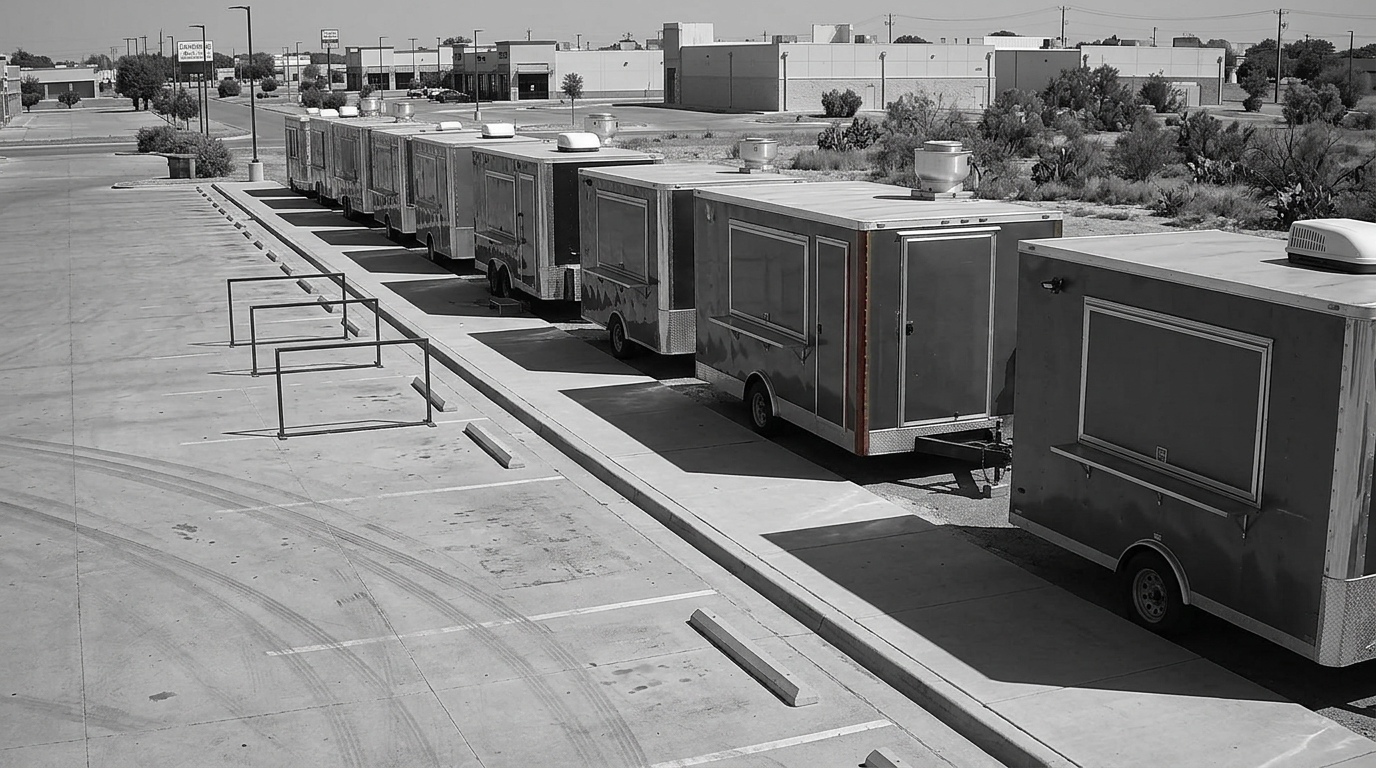
Texas will introduce a statewide operating permit for food trucks on July 1, shifting how mobile food vendors are licensed across the state. Officials said the change is intended to simplify compliance and lower costs for operators who previously had to navigate separate rules in each city or county where they wanted to do business.
The new system is required by House Bill 2844 and places the permitting process under the Department of State Health Services (DSHS). Under the prior approach, food truck owners often needed multiple local permits and inspections to operate across jurisdictions, creating repeated administrative steps and fees. The statewide permit is designed to replace that patchwork with a single license that can be used statewide.
Supporters of the measure have pointed to the financial and logistical burden of the earlier framework. Some cities charged application fees of $481, plan review fees of $562, and annual permits of $185, according to the details provided. For a new truck, total costs could reach $800 to $900 per jurisdiction, meaning operators expanding into multiple markets could face the same expenses repeatedly even when their equipment and processes did not change.
DSHS will issue the statewide permits in three tiers tied to food preparation methods. The initial application and pre-licensing inspection fees will range from $300 to $1,350, while annual renewal fees will run from $300 to $850. Officials said some inspections may also carry an added charge of up to $500, depending on circumstances described in the program’s fee structure.
DSHS estimates about 19,000 food trucks will be licensed under the new statewide model. The bill also creates a public database that will include food truck information, inspection results, and complaints. In addition, the legislation sets out enforcement tools for non-compliance, including administrative fees and the possibility of license suspension or revocation.
Not all local governments are aligned on the shift. Some cities and counties have raised concerns about losing control over local mobile food truck operations and about the potential loss of permit and inspection fee revenue that previously flowed to local budgets. How responsibilities and oversight will function in practice across diverse jurisdictions remains an open question as the statewide system begins.