

Tesla cuts spending plan to $20 billion amid AI overhaul
Tesla cut its annual investment target to $20 billion after missing spending expectations, fueling uncertainty over its AI and robotics expansion plans.
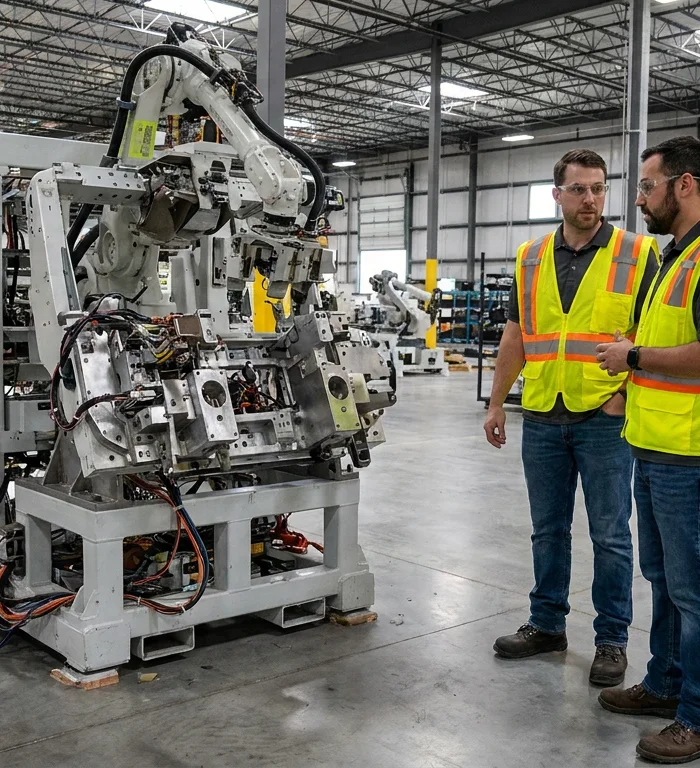
Tesla spent $4.73 billion last quarter against analysts' $7.95 billion forecast, then reduced its full-year investment target.
The company disclosed Wednesday, following its earnings release, that it now anticipates capital expenditure of about $20 billion for the year. Its previous target, raised earlier in the year, exceeded $25 billion, making the revision a reversal of its earlier spending ambitions.
The third-quarter investment figure fell below the average analyst estimate and left Tesla further from the spending pace its previous annual target required. The shortfall puts the delivery of its expansion plans in focus, rather than establishing whether the company has changed its longer-term objectives.
Tesla redirects investment beyond electric vehicles
Elon Musk is seeking to reshape Tesla beyond its electric-vehicle business, with artificial intelligence, robotics and autonomous driving central to that effort. Those activities require capital investment, making the distinction between delayed expenditure and a slower operational expansion important to assessing the revised budget.
The annual reduction does not, by itself, identify which projects face changes or establish how individual development schedules will be affected. Nor does an aggregate capital-expenditure figure show how Tesla is dividing investment between its existing vehicle operations and the businesses Musk wants to build.
Robotaxi and Optimus anchor valuation concerns
Haris Khurshid, chief investment officer at Karobaar Capital, tied his assessment of the lower budget to Tesla's growth prospects. "Lower capex is only a positive if it doesn’t come at the expense of future growth," he said.
Khurshid identified robotaxi and Optimus as central to his concern about the company's future valuation. "Given how much their future valuation depends on robotaxi and Optimus, I want to know whether the spending is simply shifting between quarters or whether the ramp is taking longer than expected."
His distinction sets out two possible readings of the same spending figures, not a confirmed explanation for the reduction. A change in the timing of payments would carry different implications from a delay in bringing new operations to scale; the revised annual target alone does not resolve that question.
SpaceX discussions add a strategic question
Musk said this week that Tesla and SpaceX are examining a possible merger, adding another element to the company's strategic direction. His statement describes an exploration, rather than an agreed transaction, and does not establish that the spending revision is connected to those discussions.
If investment has merely moved between reporting periods, subsequent expenditure and project progress would help distinguish that timing shift from a broader slowdown. In that scenario, the lower annual figure would not necessarily mean Tesla had reduced its ambitions in autonomous driving or robotics.
If the reduction instead accompanies a longer expansion schedule, the question would be when those businesses can support the growth expectations Khurshid describes. Tesla's project-level spending, deployment milestones and any further explanation of the revised budget would help resolve that uncertainty.
More stories
- Oil prices rise after reported attack on Saudi oil field
- JPMorgan to close Turkish securities unit
- AI trade gains as SpaceX update lifts Nasdaq, chip stocks
- Indian Hotels lifts FY 2027 revenue outlook to 15%-17%
- US-Mexico tariff talks stall over downstream metal duties
- Western Alliance rises 2.27% after Q3 profit tops estimates
- Europe puts emerging-market debt defenses under scrutiny
- Take-Two faces $30 million GTA 6 leak threat
Latest news
- Philippine Supreme Court bars Congress budget increases
- Philippines explores Taiwan cable cooperation despite one-China policy
- State Department orders Saudi Arabia staff to leave posts
- Kim Yo Jong signals North Korea shift on border tensions
- UAE contender joins UN leadership race without consensus
- Delayed hepatitis B dose may raise child infections 83%
- Private equity healthcare deals fall to 135 in third quarter
- Electronic Arts layoffs close BioWare, cut about 400 jobs