Teenager among first to be executed over Iran's anti-government protests
Iran has executed a teenager amidst anti-government protests, escalating its crackdown on dissent and drawing international condemnation.
Cuneyd Erdogan ·
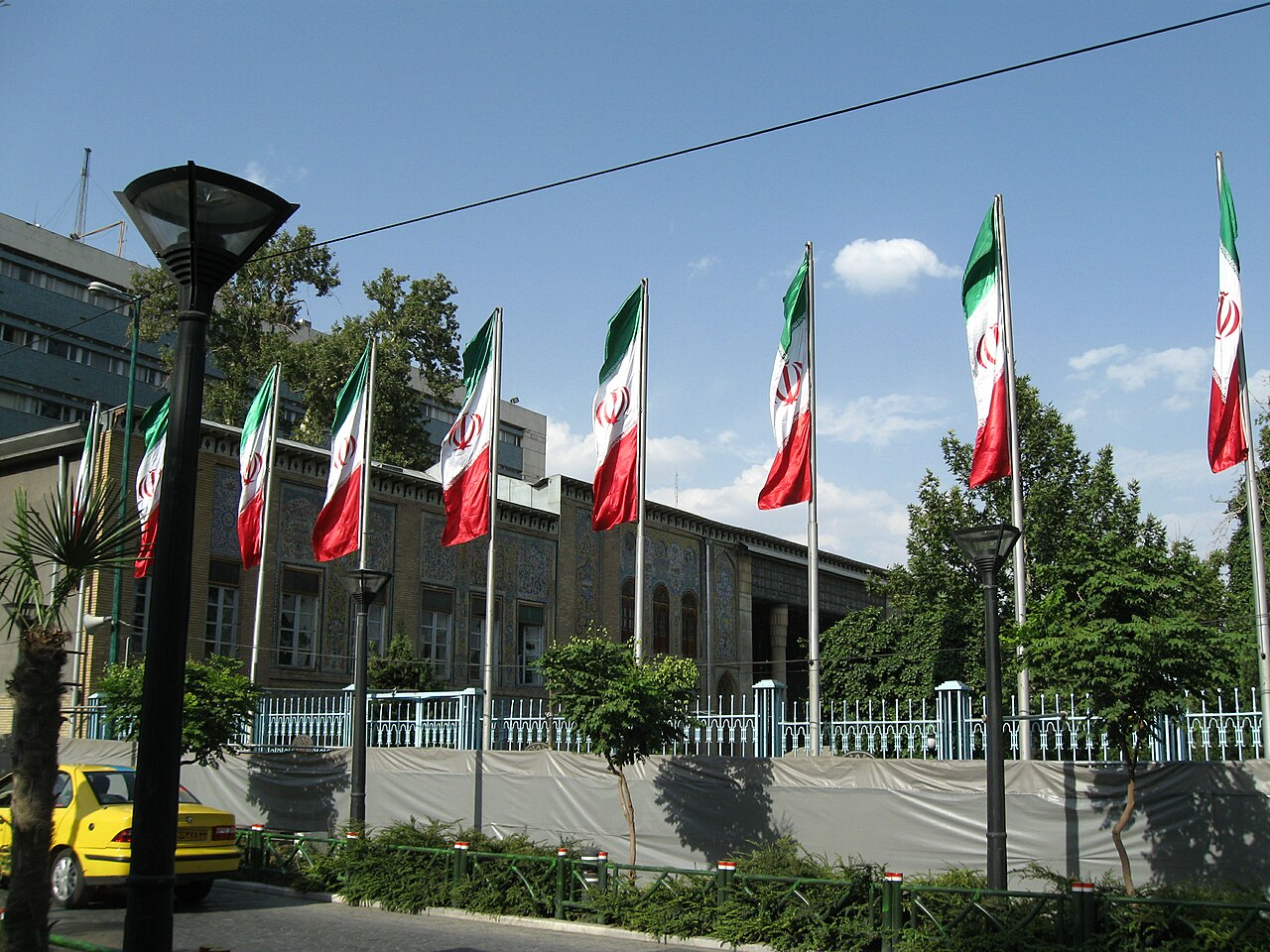
Iranian authorities have reportedly executed at least one teenager in connection with the widespread anti-government protests that began in late 2022. This action marks a significant escalation in the state's response to the demonstrations, which have challenged the Islamic Republic's leadership across the country.
These executions are part of a broader crackdown by the Iranian judiciary and security forces. The protests, sparked by the death of Mahsa Amini in September 2022 while in morality police custody, quickly evolved into a national movement demanding greater freedoms and systemic change.
Judicial Response to Dissent
The Iranian judiciary has issued numerous death sentences against individuals accused of participating in the protests. These charges often include "enmity against God" (moharebeh) and "corruption on Earth" (efsad fil-arz), which carry capital punishment under Iranian law. Human rights organizations have condemned these trials, citing concerns over due process, lack of fair representation, and confessions allegedly obtained under duress.
International bodies and governments have called for an immediate halt to the executions and for Iran to respect the rights of protesters. The use of capital punishment, particularly against minors or individuals involved in non-violent dissent, has drawn widespread international condemnation.
Background of the Protests
The anti-government demonstrations, often referred to as the "Woman, Life, Freedom" movement, represent one of the most sustained challenges to the Iranian government in decades. They initially focused on women's rights and compulsory hijab laws but expanded to encompass broader grievances against economic hardship, political repression, and corruption.
Thousands of individuals, including journalists, lawyers, and activists, have been arrested since the protests began. Reports from human rights groups indicate that hundreds of protesters have been killed by security forces, though official figures from Iran are significantly lower.
International Condemnation and Sanctions
Several countries, including the United States, the United Kingdom, and member states of the European Union, have imposed sanctions on Iranian officials and entities implicated in human rights abuses during the crackdown. These measures target individuals responsible for the violent suppression of protests and the judicial processes leading to executions.
The international community continues to monitor the situation closely, with calls for independent investigations into the deaths of protesters and those executed. The actions of the Iranian government have further strained its relations with Western nations and international human rights organizations.
Outlook for Future Dissent
The executions are perceived by some analysts as an attempt by the Iranian government to instill fear and deter further protests. However, human rights advocates suggest that such harsh measures could further galvanize public anger and resistance. The long-term impact on the protest movement and the stability of the Iranian government remains a subject of ongoing debate among observers.
Implications
Country Impact: The executions intensify internal dissent and potentially fuel further unrest within Iran, exacerbating tensions between the populace and the ruling establishment. This could lead to increased social instability and a more entrenched cycle of protest and repression.
Industry Impact: The heightened political instability and international condemnation could deter foreign investment and further isolate Iran economically. Industries reliant on international trade or technology transfers may face increased challenges due to expanded sanctions and reputational risks.
Market Impact: Global markets may react to increased geopolitical risk, particularly concerning oil prices, given Iran's role as a major energy producer. Investor confidence in the region could decline, leading to capital flight and increased volatility in regional asset classes.