Scunthorpe Steel Furnaces: £1.5bn State Aid by 2028
The UK's Scunthorpe steel plant could cost taxpayers over £1.5 billion by 2028, according to the National Audit Office.
Cuneyd Erdogan ·
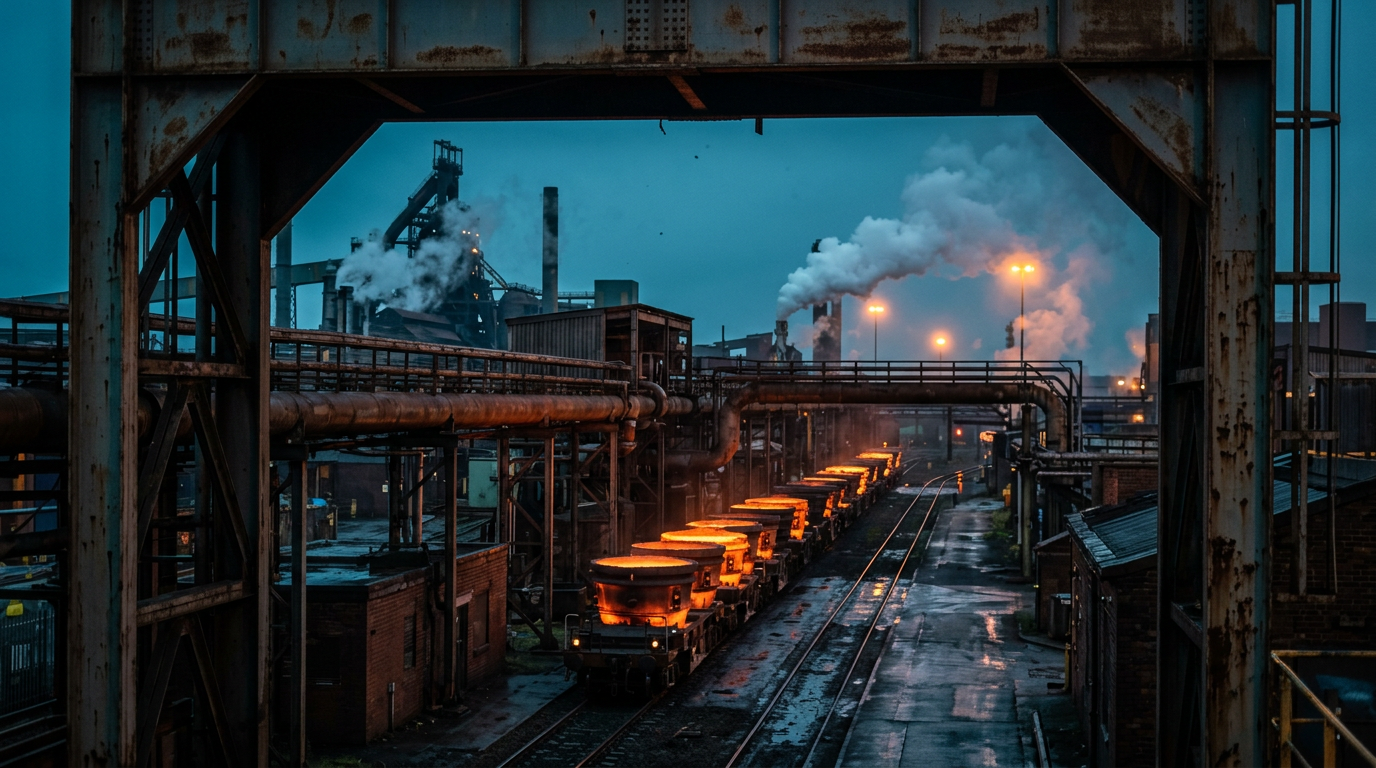
The financial commitment to sustain British Steel's Scunthorpe plant, which houses the United Kingdom's last operational blast furnaces, could surpass £1.5 billion by 2028. This projection comes from the National Audit Office (NAO), the government's spending watchdog, highlighting the significant ongoing cost of state intervention.
This substantial expenditure follows the government's decision to assume control of the facility in April of the previous year. The intervention was prompted by the Chinese owner, Jingye, which had indicated a potential closure of the loss-making steelworks.
Government Intervention and Objectives
The government's primary motivations for stepping in included safeguarding employment in the region and ensuring the continuity of steel production for various industrial orders. The Scunthorpe plant is a critical component of the UK's industrial base, supplying steel for infrastructure projects and manufacturing.
Maintaining domestic steel production is often viewed as a strategic imperative for national security and economic resilience. The alternative of relying solely on imported steel could expose the UK to supply chain vulnerabilities and price fluctuations in global markets.
Financial Projections and Oversight
The National Audit Office's assessment underscores the long-term financial implications of the rescue package. Their analysis suggests that the current rate of government support, encompassing various subsidies and operational assistance, will accumulate to the projected £1.5 billion figure within the next four years.
This financial oversight body is tasked with scrutinizing public spending to ensure value for money. Their report provides a transparent account of the potential taxpayer burden associated with maintaining the Scunthorpe operations.
Economic and Social Context
The Scunthorpe steelworks has a long history, dating back to the 19th century, and has been a cornerstone of the local economy. Its potential closure would have resulted in significant job losses, impacting thousands of direct employees and many more in the supply chain.
Beyond direct employment, the plant supports a wider ecosystem of businesses, from raw material suppliers to logistics providers. The social impact of a shutdown would extend to local communities, affecting housing markets, retail, and public services.
Future Outlook and Sustainability
The long-term viability of the Scunthorpe plant remains a key concern, despite the immediate government support. The global steel industry faces challenges from overcapacity, fluctuating raw material costs, and increasing environmental regulations.
Investments in decarbonization technologies, such as electric arc furnaces, are often cited as a path towards more sustainable and potentially more cost-effective steel production. However, transitioning away from traditional blast furnaces requires significant capital expenditure and strategic planning.
Global Market Dynamics
The global steel market is characterized by intense competition, particularly from producers in Asia. Energy costs, labor expenses, and environmental compliance standards vary significantly across different regions, influencing the competitiveness of steel manufacturers.
Government support for domestic steel industries is not unique to the UK, with many nations providing subsidies or protectionist measures to safeguard strategic sectors. This often leads to debates about fair trade and market distortions within international economic forums.
Implications
Country Impact: The UK government faces a substantial and growing financial commitment to maintain domestic steel production, potentially diverting funds from other public services. This ongoing expenditure highlights the economic challenges of sustaining heavy industry in a competitive global market.
Industry Impact: The steel industry in the UK remains heavily reliant on state support, indicating underlying structural issues and a lack of competitiveness without intervention. This situation could influence future investment decisions in the sector and the pace of decarbonization efforts.
Market Impact: The significant public funding for British Steel could be viewed by international partners as a form of state aid, potentially leading to trade disputes or calls for reciprocal measures. It also signals the government's willingness to intervene in strategic industries, which could affect investor confidence in other sectors.