Iran Rejects Trump's Talks Claim Amid Gulf Tensions
Iran's government rejects former U.S. President Trump's claims of talks as maritime incidents continue in the Persian Gulf, highlighting ongoing tensions.
Cuneyd Erdogan ·
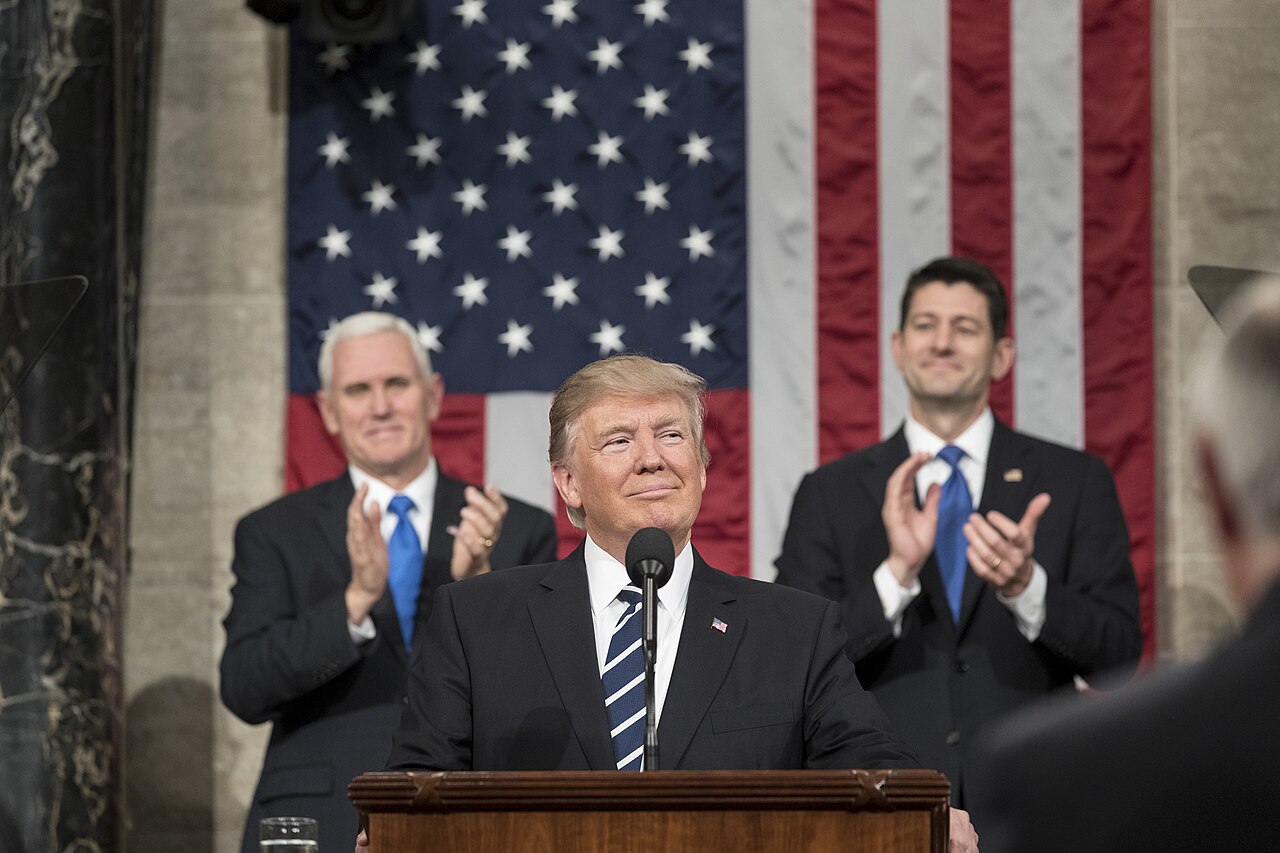
Iran's government has publicly dismissed claims by former U.S. President Donald Trump regarding potential negotiations, as maritime incidents persist in the Persian Gulf region. This rejection underscores the deep-seated mistrust and diplomatic stalemate characterizing relations between Tehran and Washington, particularly following the U.S. withdrawal from the Joint Comprehensive Plan of Action (JCPOA) in 2018.
Diplomatic Standoff Continues
The Iranian foreign ministry stated that no direct or indirect discussions were underway with the United States, contradicting Trump's assertions. This diplomatic impasse has been a consistent feature of U.S.-Iran relations since the Trump administration reimposed stringent sanctions on Iran, aiming to pressure the Islamic Republic into renegotiating the nuclear deal and addressing its regional activities.
Maritime Incidents in the Gulf
Concurrently, reports of attacks and disruptions to shipping in the Gulf of Oman and the Strait of Hormuz have continued. These incidents, often involving commercial vessels, have raised international concerns about maritime security and the potential for broader regional conflict. The Strait of Hormuz is a critical chokepoint for global oil shipments, making any instability there a significant concern for international energy markets.
Background of Tensions
The current heightened tensions trace back to the U.S. decision to exit the JCPOA, which had provided Iran with sanctions relief in exchange for curbs on its nuclear program. Following this withdrawal, Iran began to incrementally reduce its commitments under the agreement, leading to a cycle of escalation. The U.S. has maintained a significant military presence in the region, citing the need to deter Iranian aggression and protect international shipping.
International Reactions and Mediation Efforts
Several international actors, including European nations and regional powers, have attempted to de-escalate the situation and facilitate dialogue. However, these efforts have largely been unsuccessful, with both Washington and Tehran maintaining firm positions. The European Union has consistently advocated for the preservation of the JCPOA and has sought to establish mechanisms to circumvent U.S. sanctions, albeit with limited success.
Economic Pressures on Iran
The U.S. "maximum pressure" campaign has severely impacted Iran's economy, particularly its oil exports, which are a primary source of government revenue. This economic strain has contributed to domestic unrest and has been a key factor in Iran's strategic calculations regarding its nuclear program and regional posture. Despite the economic hardship, the Iranian leadership has consistently rejected direct negotiations under duress.
Outlook for Regional Stability
The ongoing rejection of talks by Iran, coupled with persistent maritime incidents, suggests a continued period of instability in the Middle East. The lack of a clear diplomatic off-ramp increases the risk of miscalculation and unintended escalation. Global powers remain watchful, as any significant conflict in the region could have far-reaching economic and geopolitical consequences.
Implications
Country Impact: The ongoing diplomatic stalemate and regional tensions significantly impact Iran's economic stability due to sustained sanctions. For Gulf nations, increased maritime insecurity poses risks to trade routes and energy exports, potentially leading to higher insurance premiums and operational costs.
Industry Impact: The global shipping and energy industries face heightened risks in the Persian Gulf, leading to increased operational costs and potential supply chain disruptions. Oil prices may experience volatility due to concerns over the security of crude transit through the Strait of Hormuz.
Market Impact: Global financial markets may react to escalating tensions with increased risk aversion, potentially leading to shifts towards safe-haven assets. Energy markets, particularly crude oil, are susceptible to price spikes or volatility based on developments in the region.