Strait of Hormuz: US Launches Ship Guidance Operation
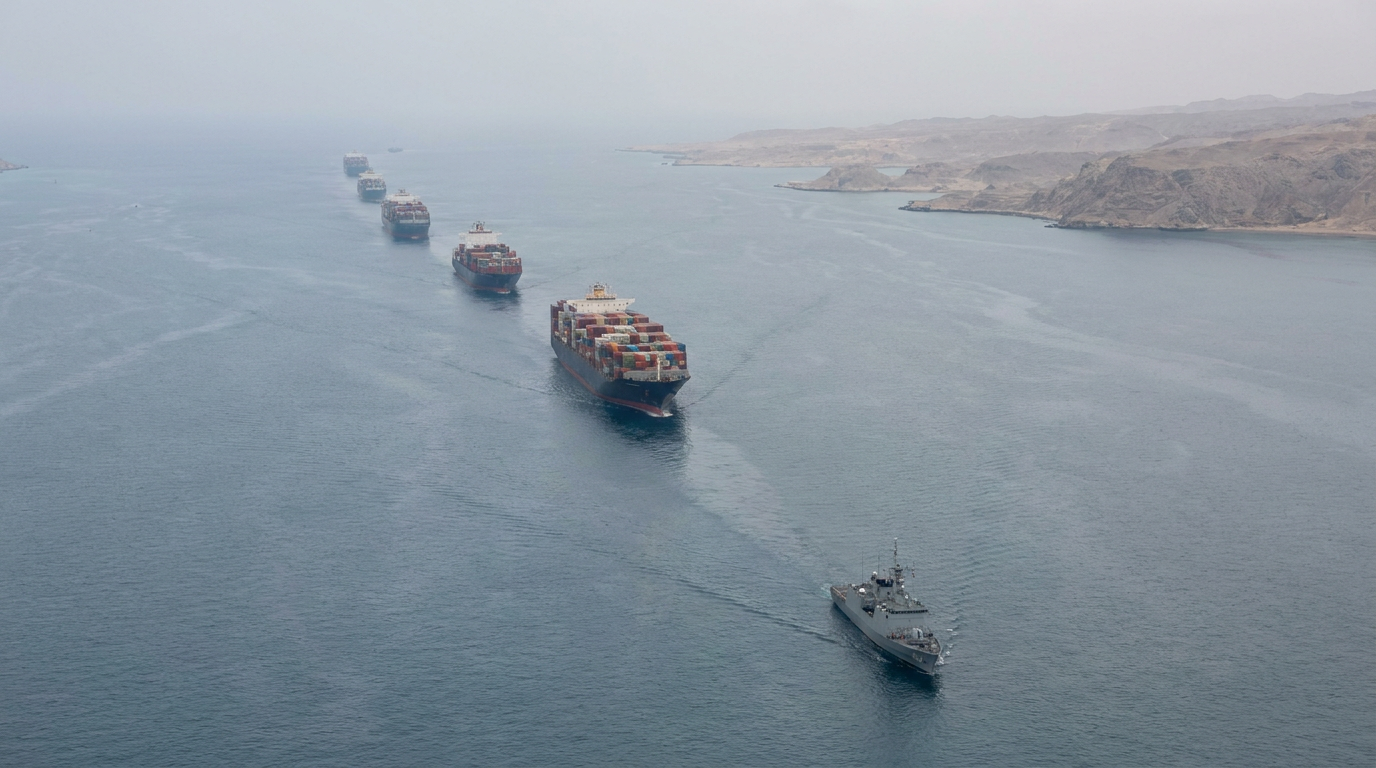
The United States is launching an operation to guide commercial ships trapped by naval mines in the Strait of Hormuz, a critical global trade route.
Atlas Newsdesk ·
Mine Threat Prompts New US Initiative
The United States will begin facilitating the safe passage of commercial vessels through the strategically vital Strait of Hormuz, according to a presidential announcement. The new initiative, dubbed “Project Freedom,” is a direct response to new dangers posed by the ongoing conflict with Iran.
President Trump confirmed the operation will commence on Monday, Middle East time. This move comes after Iran’s Islamic Revolutionary Guard Corps (IRGC) deployed naval mines in the waterway, effectively trapping commercial ships and creating a significant risk to maritime traffic.
According to a senior U.S. official, the operation was prompted by requests from multiple countries to help free their ships from the restricted waterway. Before the current conflict, the Strait of Hormuz served as a transit point for approximately 20% of the world’s oil supply, highlighting its importance to the global economy.
A Coordinated Effort, Not a Military Escort
While the initiative involves U.S. leadership, officials clarified that it will not initially involve direct military escorts by U.S. Navy warships. Instead, Project Freedom is designed as a process for coordinating traffic through the hazardous area.
The framework allows nations, maritime insurance companies, and shipping organizations to work together on scheduling and guiding vessels. This structure aims to manage the flow of traffic and mitigate risks without an immediate and significant U.S. military footprint on the water.
The distinction underscores a cautious approach, balancing the need to restore commercial activity with the desire to avoid direct military confrontation. However, the operational posture could change depending on developments in the region.
Stern Warnings and Diplomatic Channels
In his announcement on the social media platform Truth Social, President Trump issued a stark warning against any attempts to disrupt the operation. He stated that any interference with the guidance process “will, unfortunately, have to be dealt with forcefully.”
This statement introduces a clear red line and raises the stakes for potential encounters between Iranian forces and the coordinated convoys. The threat of a robust response signals U.S. resolve to keep the waterway open for ships participating in the program.
Despite the heightened tensions and the launch of the new security initiative, President Trump also noted that discussions with Tehran are ongoing. The parallel tracks of logistical intervention and continued dialogue suggest an effort to find an ultimate end to the conflict while managing its immediate economic consequences.