Strait of Hormuz: Truce Offers Hope for 800 Ships
Strait of Hormuz reopens under a temporary truce, but maritime data shows more than 800 ships still await safe passage.
Atlas Newsdesk ·
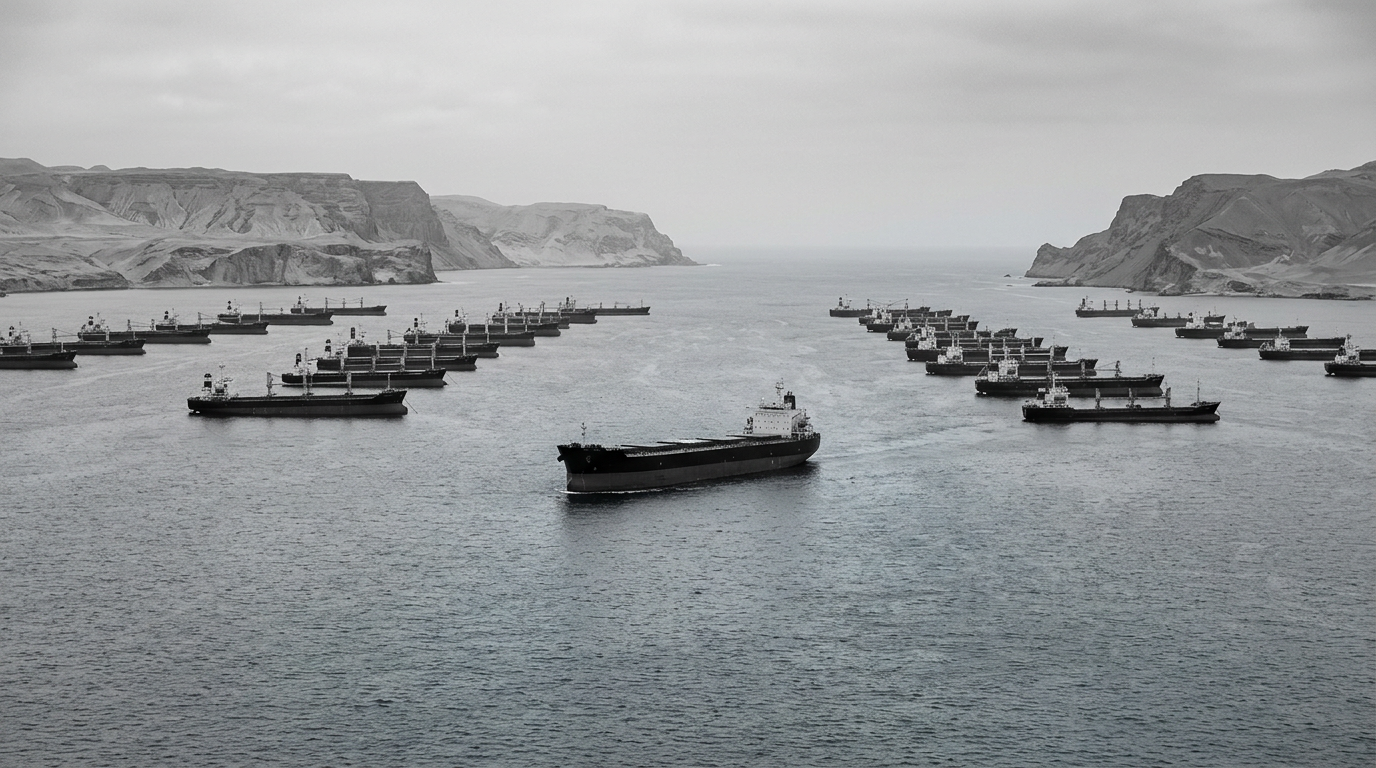
A temporary truce has enabled a guarded reopening of the Strait of Hormuz, easing—at least for now—a disruption that had choked a major route for global trade. Maritime data shows more than 800 commercial vessels are still stuck in the region, waiting for safe passage after the earlier closure created a severe bottleneck in the Persian Gulf. The reopening offers a narrow window to restart traffic through one of the world’s most important maritime chokepoints, but the situation remains fragile.
The Strait of Hormuz carries an outsized share of global energy flows. About one-fifth of global petroleum liquids consumption transits the strait each day, making access to the waterway central to energy supply continuity and price stability. With the route constrained, the effects have rippled across energy and commodity markets worldwide, highlighting how quickly a localized security shock can translate into broader supply-chain stress.
Shipping companies are treating the truce as a limited reprieve rather than a full reset. Major carriers are taking a cautious, wait-and-see posture and are reluctant to return to normal routing until the passage is seen as secure beyond the temporary ceasefire. Maersk said the agreement provided some relief but also stated it was not immediately changing its service routes, reflecting wider industry concern about whether the truce will hold and whether disruptions could return.
Even if the corridor stays open, the operational challenge is substantial. Managing the safe, orderly movement of more than 800 vessels will take time and coordination, and the backlog cannot be cleared instantly. The need to sequence transits and maintain security conditions adds complexity, meaning the logistical after-effects of the closure may persist even as traffic resumes.
The reopening also has an immediate humanitarian dimension. Thousands of crew members have been stranded aboard the trapped ships, and reports indicated that some vessels were running low on essential supplies such as food and fresh water. For weeks, seafarers have faced mounting psychological strain amid uncertainty and worsening onboard conditions, making resupply and the prospect of onward movement urgent priorities enabled by the truce.
Officials and market participants are now watching whether all parties adhere to the truce agreement and whether maritime activity stabilizes. The temporary nature of the reopening underscores how exposed global trade remains to geopolitical flashpoints concentrated at key chokepoints. Analysts are monitoring diplomatic channels and shipping movements for signs of change, as the stability of energy supply remains closely tied to continued access through the strait.