

South Korea Increases Coal Reliance Amid Nuclear and Gas Supply Shortfalls
South Korea has pivoted to coal as its primary energy source following a 17 percent decline in nuclear output and instability in the global LNG market.
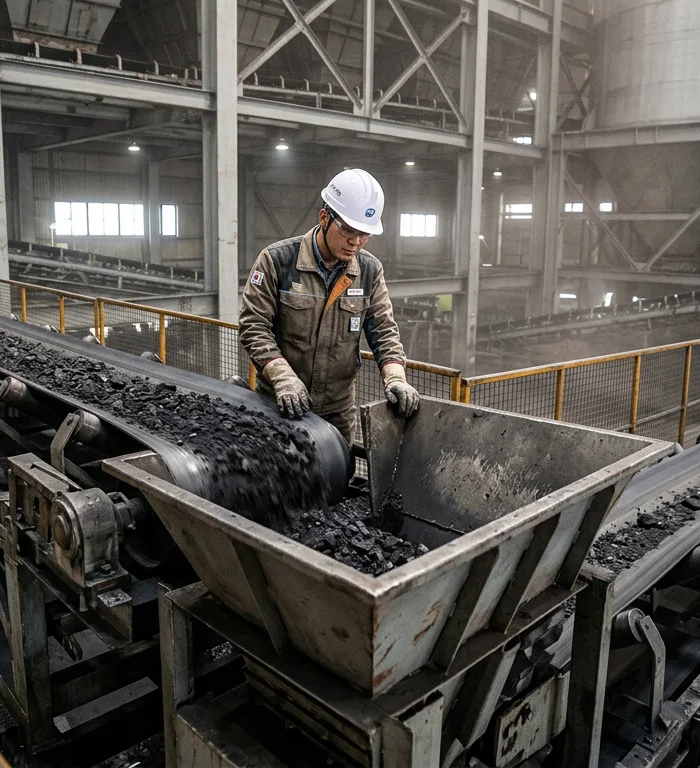
South Korea has shifted to coal as its primary power source, accounting for 30 percent of total generation between January and July 2026. This transition marks a significant departure from previous years, where nuclear energy served as the nation's leading power source. The reliance on coal has been further facilitated by a policy change in March 2026, which removed output caps on coal plants during periods of low fine-dust emissions, allowing facilities to operate at full capacity.
While external energy market volatility following regional conflicts has been cited as a primary driver, internal structural issues significantly contributed to the supply gap. Nuclear power generation declined by 17 percent in the first half of 2026 compared to the previous year. State-owned utility operators attributed this decline to an increase in planned maintenance, which rose from 404 to 1,048 days across the fleet. Additionally, the expiration of 40-year operating licenses for older reactors and delays in relicensing processes have further reduced available nuclear capacity.
This shift has led to the postponement of
This shift has led to the postponement of Simultaneously, the nation’s reliance on liquefied natural gas (LNG) has proven unstable due to global supply constraints and price volatility. LNG generation fell by approximately 6 percent during the same period, forcing the government to prioritize coal to maintain grid stability. This shift has led to the postponement of scheduled coal plant closures, including the Hadong 1 and Boryung 5 units, which were delayed until March 2027.
The increased reliance on coal presents significant governance and public health risks. Government officials have acknowledged that higher coal output correlates with increased fine particulate matter, yet no standardized criteria exist to regulate these emissions during periods of high demand. Environmental and academic experts warn that the lack of transparent, public standards for ramping up coal generation undermines long-term climate commitments and poses ongoing health risks to the population. As South Korea continues to navigate these energy security challenges, the tension between immediate grid reliability and environmental policy compliance remains a critical point of institutional scrutiny.
More stories
- Singapore core inflation eases to 1.5% in October
- Greece targets 2.3% growth in 2027 budget
- US stocks face Goldman warning on further forced selling
- Bitcoin falls below $57,742 as investors seek other bets
- Nvidia SEC probe examines chipmaker’s accounting issues
- Rwanda women-owned exports fall 51% from 2021 peak
- France faces election strain after 2,000 protest arrests
- Malaga leads Andalucía euthanasia cases with 13 in 2025
Latest news
- Nigeria's family-planning budget falls 97%
- Peter Attia reviews cold therapy claims on longevity
- Social Security raises 2027 benefits 3.6%
- Hull City 2–0 Brighton: When Resilience Beat Reputation
- David Parr House to honor Victorian art-workman with blue plaque
- Iran's attacks hit 25 tankers near Strait of Hormuz
- FCC approves prison cellphone jamming despite 2.5-mile warning
- Russia strikes Ukraine as Odesa faces electricity strain