Sonko Re-election Solidifies Power Amidst Senegal Debt Crisis
Ousmane Sonko’s unopposed re-election as Pastef party president strengthens his influence amidst Senegal’s escalating debt crisis and political tensions.
Amina Diallo ·
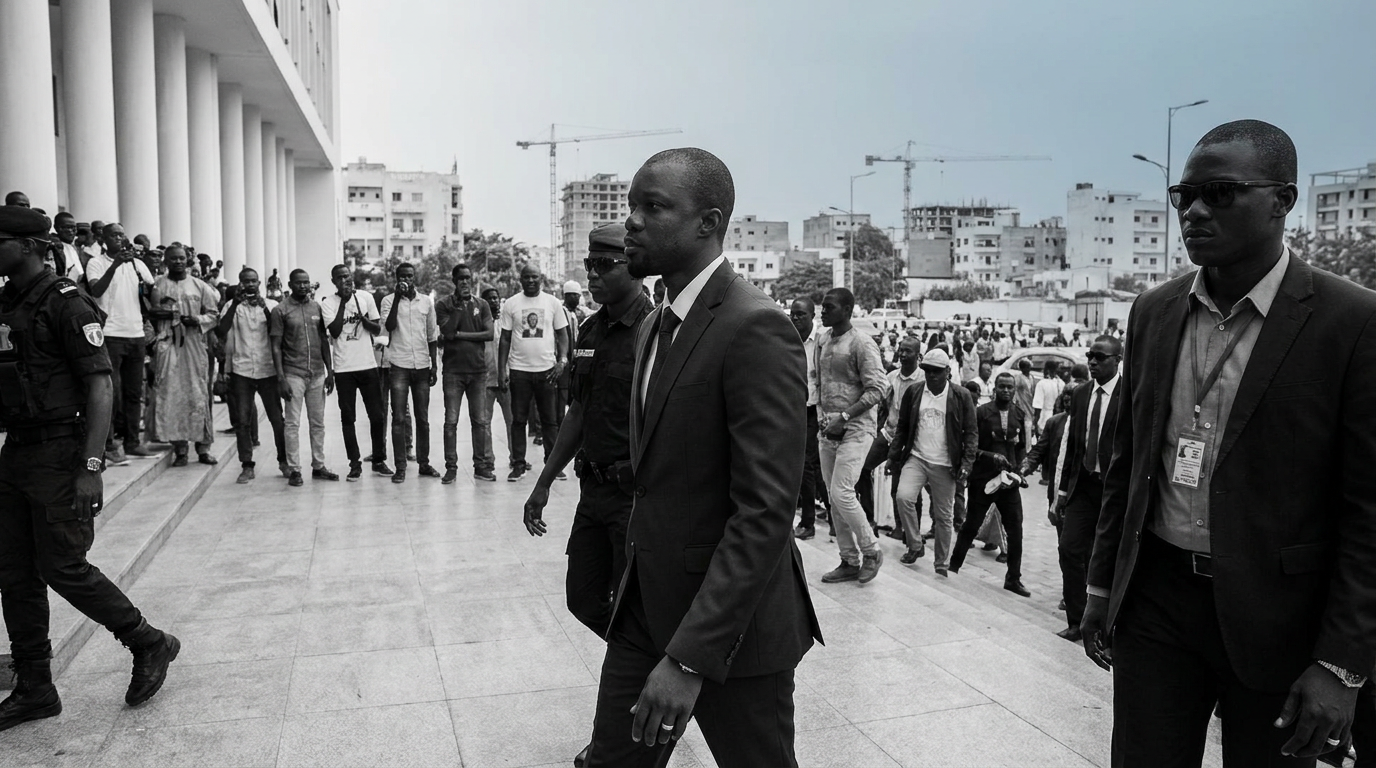
Ousmane Sonko has been re-elected as president of Senegal’s majority Pastef party without opposition, solidifying his leadership within the country's governing coalition. This development occurs at a critical juncture for Senegal, which faces significant economic challenges and growing friction within its political leadership.
Sonko's uncontested return to the party presidency underscores his central role, even as relations with President Bassirou Diomaye Faye, a co-founder of Pastef, appear strained. His re-election follows a period of heightened domestic political instability and increasing scrutiny from international financial markets.
Economic Challenges and Political Divisions
Senegal is grappling with substantial debt obligations, highlighted by revelations of billions of dollars in previously undisclosed liabilities in 2024. This has led to the country's exclusion from international capital markets, pressing the government to address its financial solvency.
Over the next two months, Senegal faces approximately 738 billion CFA francs ($1.3 billion) in domestic debt-service payments. This urgent financial pressure necessitates renewed engagement with the International Monetary Fund (IMF) to secure vital funding and restore investor confidence.
The deepening political rift between Sonko and President Faye, however, complicates these efforts to stabilize the nation’s public finances. Their divergent approaches to economic policy, particularly concerning debt restructuring, could hinder Senegal's ability to navigate its current fiscal difficulties.
Leadership Tensions and Future Implications
Tensions between Sonko and Faye have escalated since Faye's decision to dismiss Sonko as prime minister. Sonko subsequently secured the position of speaker of the National Assembly, granting him considerable influence over the legislative agenda and national policy direction.
This political maneuvering sets the stage for a potential direct confrontation between the two leaders in the 2029 presidential election, signaling a possible future power struggle. President Faye has attempted to project stability by appointing former central banker Ahmadou Al Aminou Lo as the new prime minister and emphasizing economic reforms.
Conversely, Sonko has consistently opposed debt restructuring, a measure many investors deem essential for unlocking new IMF financing. This disagreement highlights fundamental differences in their economic strategies, which are crucial as Senegal seeks to improve its financial health and address investor concerns.