Somali Child Malnutrition Surges Amid Aid Reductions
Child malnutrition in Somalia soared by 32% in early 2026 due to an 80% cut in aid funding, closing 200+ health facilities.
Lauren Collins ·
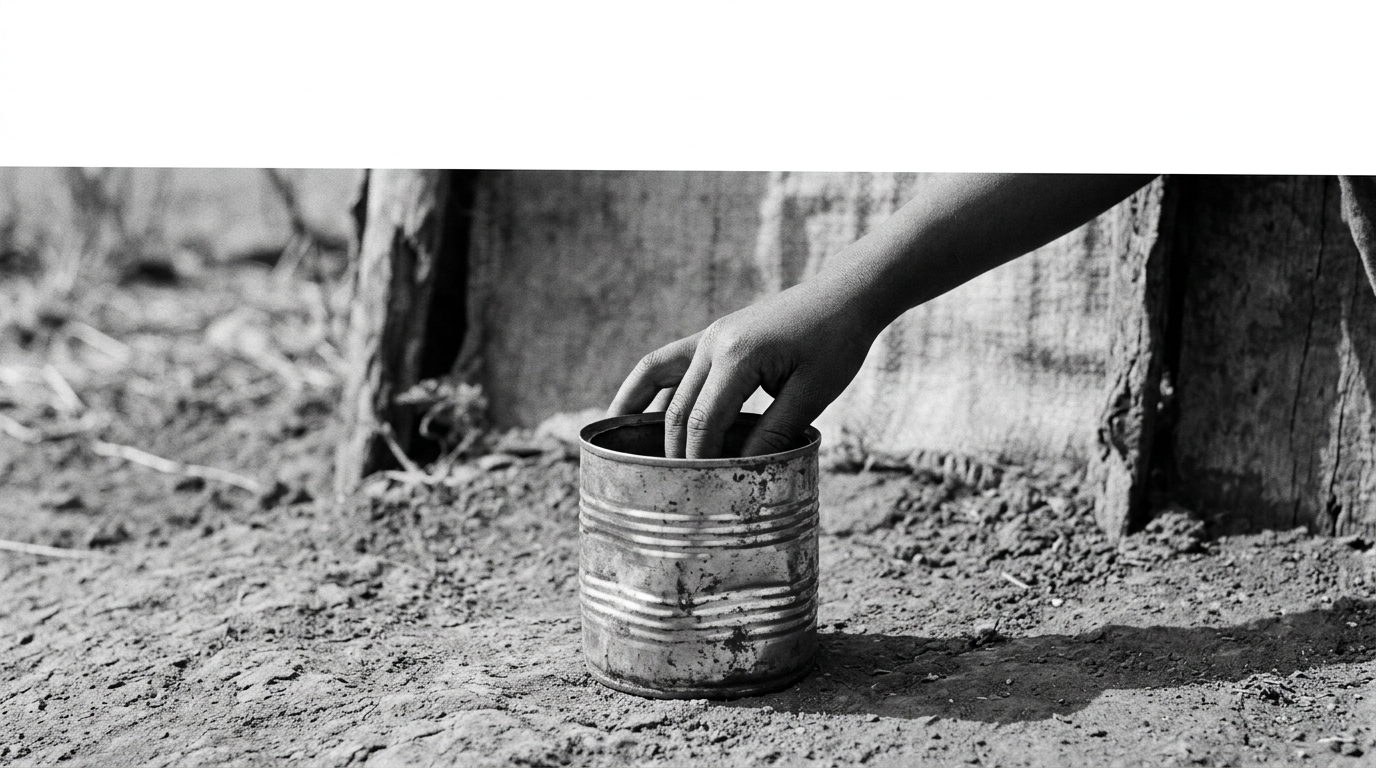
Severe acute malnutrition among Somali children increased by 32 percent during the first half of 2026, according to data released by UNICEF on Friday. This substantial rise is directly linked to the closure of more than 200 health and nutrition facilities across the nation. The closures stem from an 80 percent reduction in international funding for malnutrition programs this year, exacerbating an already critical humanitarian situation.
A severe drought has displaced approximately 500,000 individuals since January, further contributing to food insecurity. An estimated one-third of Somalia's 19 million residents now face inadequate food access. Western nations, including the United States, have significantly decreased their financial contributions, citing concerns over aid diversion and corruption. This decline in support coincides with rising commodity prices, partly driven by regional geopolitical conflicts, which further limits access to essential goods for the population.
Impact of Funding Withdrawals
The drastic reduction in humanitarian aid, specifically an 80 percent cut for acute malnutrition programs in certain parts of Somalia this year, has led to immediate and severe consequences. Doctors Without Borders (MSF) highlighted these significant funding cuts and their direct impact on critical services. Notably, Somalia was not included in a $2 billion global humanitarian aid pledge announced by the U.S. earlier in the year.
The shutdown of numerous health facilities has severely restricted access to basic water and medical care, particularly affecting rural areas. Residents in these regions are now contending with quadrupled commodity prices for essential necessities. This places immense pressure on vulnerable households that are already struggling with displacement and pervasive food shortages.
Escalating Crisis and Future Projections
The humanitarian situation is projected to deteriorate further with the anticipated effects of El Niño-related flooding. Such events could disrupt supply chains and lead to additional community displacements. UNICEF has issued a strong warning, indicating that if current funding trends persist, an additional 618 health facilities might cease operations. This scenario would leave nearly one million children and vulnerable women without access to crucial nutrition services and medical support.
The international community faces a pivotal moment regarding these funding cuts. Reversing this trend is essential to prevent a deeper humanitarian catastrophe. Continued withdrawals of aid risk escalating an already dire situation, profoundly affecting the long-term health, stability, and development prospects of the Somali population. The complex interplay of climate shocks, economic pressures, and reduced humanitarian assistance creates a challenging environment for recovery efforts.