Trump: Iran Not Prepared for Deal Amid Sanctions Threat
President Trump stated Saturday that Iran is not ready for a suitable agreement, escalating a diplomatic standoff following U.S. sanction threats.
Mateo Fernandez ·
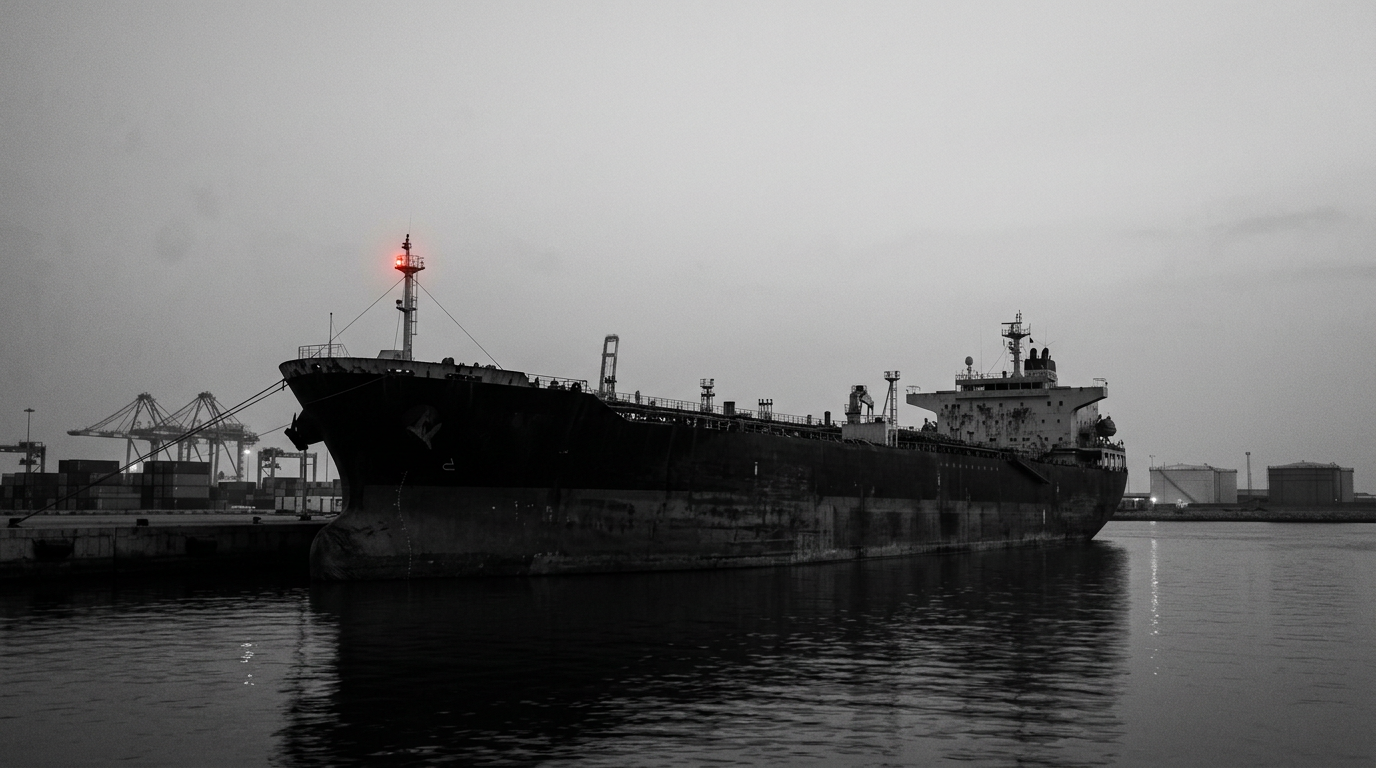
President Donald Trump declared on Saturday that Tehran was not prepared to finalize an appropriate agreement, intensifying the diplomatic dispute. This statement followed threats from U.S. officials regarding what they described as the most severe sanctions ever imposed. The pronouncement by the U.S. leader comes amidst ongoing tensions between Washington and Tehran, with both sides maintaining pressure.
Meanwhile, Iranian President Masoud Pezeshkian claimed victory in public remarks, signaling a continued firm stance from Iran's leadership. The current situation remains characterized by strong rhetoric rather than concrete negotiation timelines, as no specific schedule for discussions was announced by officials in the reviewed information.
Potential Sanctions and Market Implications
The immediate concern centers on whether the threatened sanctions will evolve into a formal package or simply serve as a negotiating tactic. Should the White House proceed from warnings to actual implementation, global markets would likely experience repercussions through increased compliance costs for businesses, heightened risks for energy shipping, and a potential reluctance from importers and banks to engage in Iran-linked trade activities. Such measures would primarily affect sectors involved in international commerce and finance.
For Iran, tighter restrictions, if broadly enforced, would significantly impact state revenue and access to foreign exchange, placing additional strain on its economy. The broader energy sector, however, would mainly monitor the Gulf security premium. Traders would be particularly attentive to any indications that rising tensions might disrupt crucial shipping routes, especially those associated with the Strait of Hormuz, rather than merely observing the verbal exchanges from Washington and Tehran.
Escalation Risks and Future Outlook
If negotiations were to resume without enforcement measures, the macroeconomic impact would likely be contained. However, if sanctions are formally announced and Iran retaliates, particularly concerning Gulf shipping operations or nuclear oversight, the current diplomatic stalemate could escalate into a higher-risk phase. Such an escalation would carry significant implications for global energy markets, the insurance industry, and overall regional security.
The next critical juncture for this evolving situation is whether either side issues a formal negotiating timetable or releases the text of proposed sanctions by August 23, 2026. This date marks a potential deadline for clarity regarding the future direction of the diplomatic and economic pressures.