Somali pirates seize tanker near Yemen, adding sea risk
Somali pirates seized the M.T. Sibu 1 off Yemen, extending a piracy rebound that has caught six commercial vessels since April.
Mei Lin ·
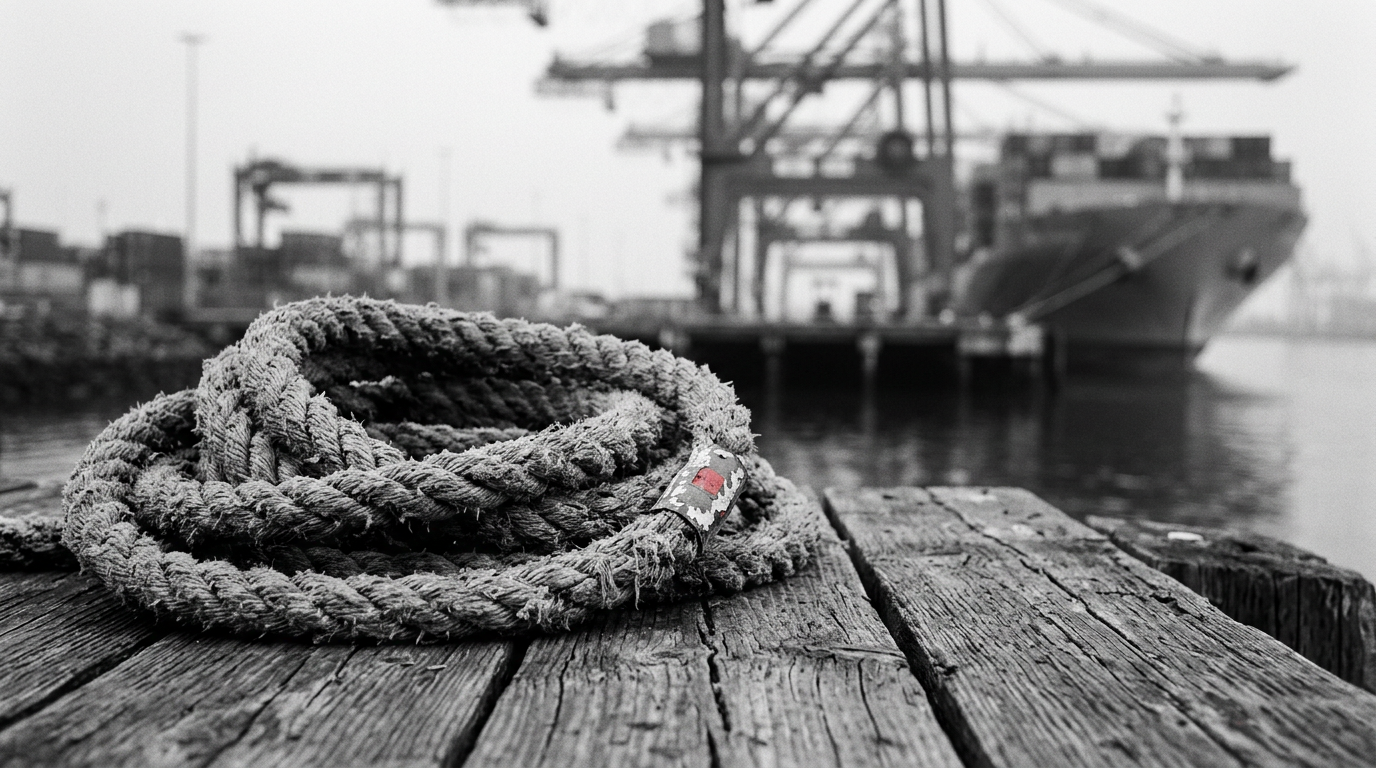
Somali pirates seized the M.T. Sibu 1 off Yemen, the sixth commercial hijacking reported since April. The tanker was heading toward Puntland.
The Eritrean-flagged oil products tanker was taken Thursday about 136 nautical miles, or 252 kilometers, east of al-Mukalla, Yemen, according to a Somali maritime security official with knowledge of the incident. The official spoke on condition of anonymity because he was not authorized to discuss the case publicly.
Six gunmen near al-Mukalla
The official said six armed pirates boarded the M.T. Sibu 1 and redirected it toward Somalia’s Puntland coast. No crew numbers, cargo volume or ransom demand were provided in the account.
The seizure extends a run of attacks across the Gulf of Aden and the western Indian Ocean, where six commercial vessels have been seized since April, according to the same official. The timing places the incident inside a maritime corridor already exposed to security pressure from conflicts and armed groups around the Red Sea and Yemen.
The M.T. Sibu 1 is managed by UAE-based Qatrat Alnada Almasi Ship Management, the official said. The U.S. Treasury Department sanctioned the vessel last year over alleged links to an Iranian “shadow fleet,” a label used by U.S. authorities for networks accused of moving oil outside formal restrictions.
Puntland coast raises recovery stakes
Puntland has long been central to piracy cases off Somalia because of its coastline, distance from major naval bases and proximity to shipping routes connecting the Arabian Sea with East Africa. A tanker moved closer to shore can become harder to track, board or recover without a negotiated outcome.
The direct exposure falls first on the vessel’s operator and crew. For Qatrat Alnada Almasi Ship Management, the immediate issues are the location of the tanker, the condition of personnel on board and any contact from the hijackers.
The wider shipping industry faces a more familiar calculation: whether a pattern of seizures changes routing, security staffing or insurance costs. If owners judge the Gulf of Aden and western Indian Ocean risk to be rising, additional guards, convoy planning or route diversions can add cost even before cargo delivery schedules are affected.
The vessel’s sanctions history adds a separate complication. Any recovery, insurance or payment discussions involving a sanctioned tanker can face legal review by banks, insurers and governments, slowing decisions that would otherwise be treated as a maritime security problem alone.
Shipping lanes test insurers
At the macro level, piracy risk matters when it raises the friction cost of moving fuel, food and manufactured goods through long-distance sea routes. The source material did not provide trade volumes through the affected area, but the mechanism is clear: higher security costs can feed into freight pricing and delivery timing.
The company-level path is narrower. If the tanker and crew are released quickly, Qatrat Alnada Almasi Ship Management still faces scrutiny tied to vessel security, sanctions compliance and the operational choices that placed the ship near Yemen.
If the hijacking lasts longer, the burden shifts from incident response to negotiation, financing and legal exposure. For the broader tanker sector, a prolonged case would give underwriters and shipowners more reason to reassess cover, route planning and private security policies for voyages near Somalia and Yemen.
If regional patrols, coastal intelligence and operator precautions interrupt the pattern, the macro effect would likely be contained through lower perceived shipping disruption. If more seizures follow, the industry impact would spread beyond the individual ships already taken, with higher voyage costs and slower risk approvals becoming the channel through which piracy reaches trade.