Spain
Spain-Italy Schengen travel curbs expand as Madrid adds checks on arrivals from Italy after Rome imposed controls on travellers from Spain.
Atlas Newsdesk ·
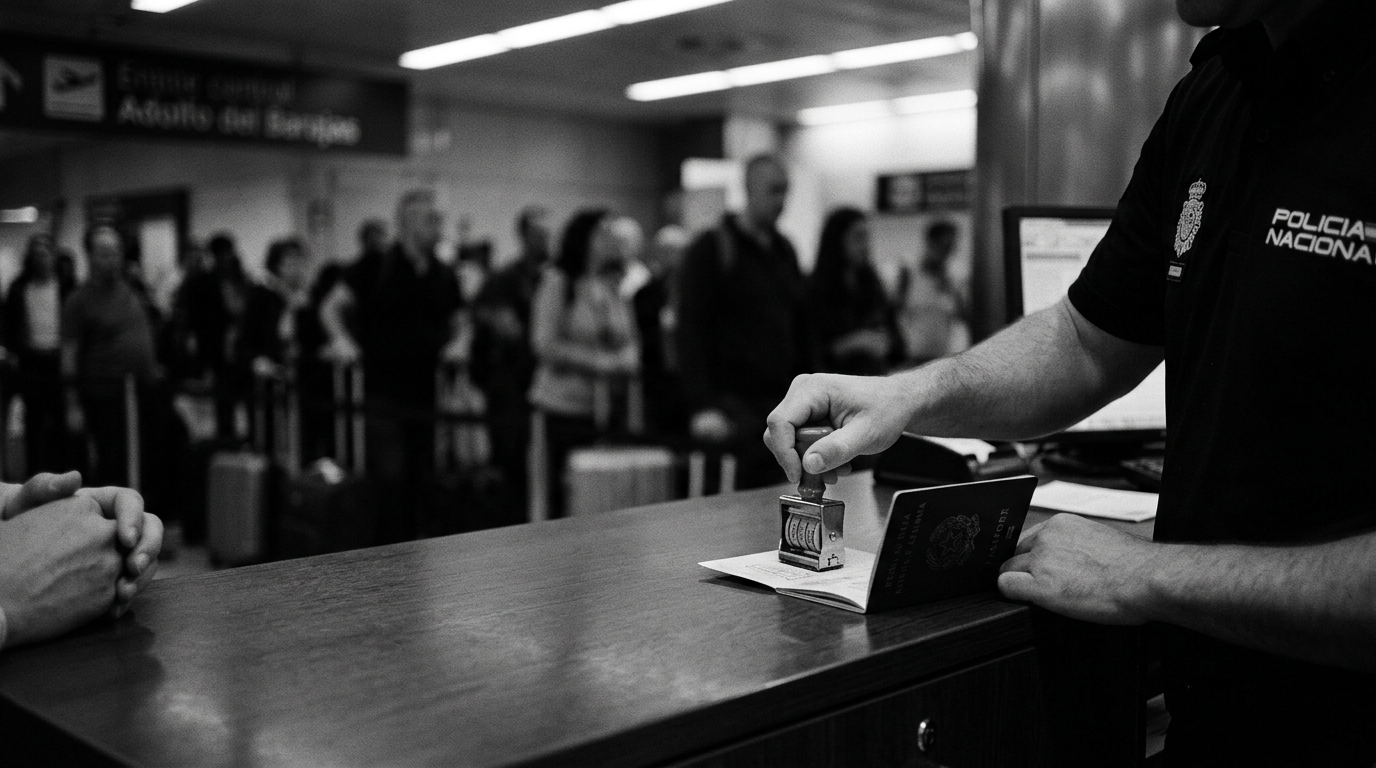
Spain has reintroduced border checks on all flight and maritime arrivals coming from Italy, a step that effectively halts passport-free travel between the two countries. The move comes amid a diplomatic dispute over migration policy and border management inside the European Union’s Schengen Area.
Madrid’s decision followed Italy’s earlier move to impose unilateral checks on travellers arriving from Spain. Rome said those measures were needed for security reasons linked to migration flows in the Spanish exclave of Ceuta.
Retaliatory border controls on air and sea routes Spanish authorities said they do not accept Italy’s Spanish authorities said they do not accept Italy’s security explanation. They argued that no unauthorised migrants connected to the surge in Ceuta have moved into mainland Europe, challenging the basis for Italy’s restrictions. Officials also pointed to a gap between public messaging and policy action. While Italian officials expressed solidarity at ministerial level, Spain said the Italian government has declined to withdraw the checks introduced on arrivals from Spain. Migration policy split drives the standoff The dispute has widened into a broader political argument about how Europe should manage migration and borders. Italy has pushed for tighter enforcement at the EU’s external borders and has criticised Spain’s recent regularisation of unauthorised migrants.
European Union
Spain, for its part, has said its approach complies with European standards. Madrid has also accused Italy of mishandling its own migration pressures, sharpening the tone between two governments that are both part of the Schengen free-movement zone.
Schengen rules allow temporary checks, but risks are rising Under current regulations, Schengen countries can temporarily suspend passport-free travel on security grounds. In practice, the reciprocal controls between Spain and Italy underscore how quickly national measures can interrupt the system when political disputes escalate.
The immediate effect is practical: regional travel between the two countries faces added friction as border formalities return on routes that normally operate without systematic checks. The longer the impasse continues, the more it signals pressure on the Schengen framework’s ability to absorb disputes without moving toward more fragmented border governance within the European Union.
It remains unclear how quickly either side will step back from the measures, given that Italy has so far refused to rescind its restrictions and Spain has already implemented its response. With both governments framing the issue around migration management and legal compliance, a rapid de-escalation is not assured in the absence of a political agreement.