Serbia rejects Russian influence claim by Hungary’s Magyar
Serbia rejects Russian influence claim as Vučić rebuts Hungary’s Prime Minister-elect Péter Magyar after elections ended Orbán’s 16-year tenure.
Lauren Collins ·
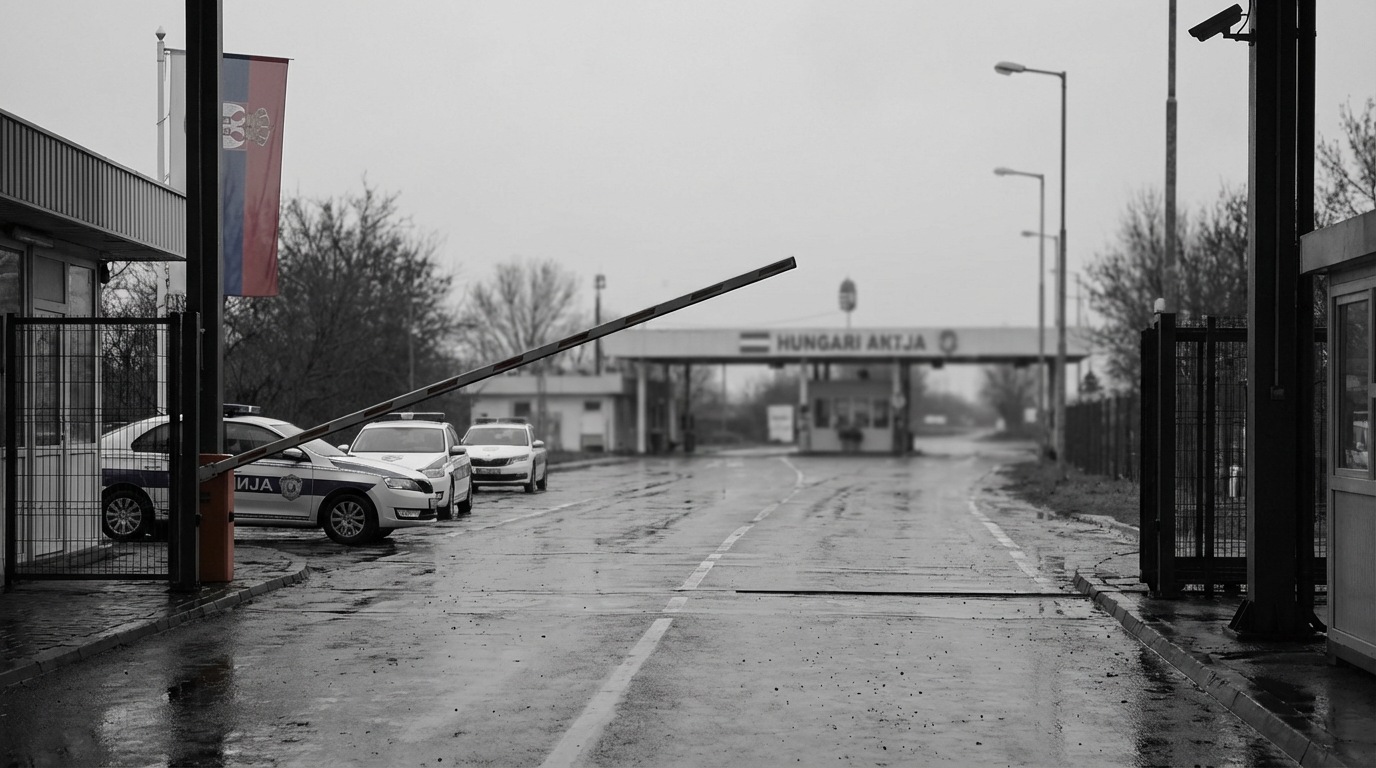
Serbian President Aleksandar Vučić on Monday, April 14, 2026, rejected comments by Hungarian Prime Minister-elect Péter Magyar that alleged Russian influence over Serbia’s leadership. Vučić responded during an appearance on Serbia’s state broadcaster, disputing the premise of Magyar’s remarks and pushing back on the suggestion that Moscow sits behind regional political ties.
Magyar, whose Tisza Party won a significant victory in Hungary’s parliamentary elections, had described Russian President Vladimir Putin as the “godfather” behind political alliances involving Hungarian Prime Minister Viktor Orbán , Slovak Prime Minister Robert Fico , and Vučić. Vučić said the characterization was “stupid” and “foolish,” and challenged Magyar to specify what, exactly, was being alleged and by whom.
He said Magyar had not presented concrete information and was instead relying on insinuation about Russian involvement.
The exchange surfaced quickly after Hungary’s election outcome, which ended Orbán’s 16-year tenure . It also signaled an early point of diplomatic friction between Belgrade and Budapest at a moment when regional leaders and institutions are watching how Hungary’s political direction may change under new leadership.
Vučić said he was tempering his response because he prioritizes Serbia’s relationship with Hungary and also considers the position of the Hungarian minority within Serbia . His remarks framed the dispute as something he did not want to escalate, even as he rejected the substance of Magyar’s claim.
Beyond the immediate exchange, the episode underscored how leadership changes in one Central European capital can quickly ripple across neighboring political relationships. The comments and rebuttal placed attention on how alliances and perceptions of external influence are discussed in Central and Eastern Europe, particularly when new governments take office and reassess regional ties.
Key uncertainties remain because Magyar’s allegation, as described, did not include specific evidence or a named mechanism of influence, and Vučić’s response focused on disputing the claim rather than addressing any detailed assertion. With the Hungarian election newly concluded, it is not yet clear how this rhetorical clash will affect official engagement between the two governments or whether it will remain a one-off political dispute.