US-Iran Tensions Mount: Hormuz Blockade Begins
Iran oil blockade began Monday as the U.S. moved at Hormuz, with oil near $100 and risks rising for Gulf energy flows and imports.
Lauren Collins ·
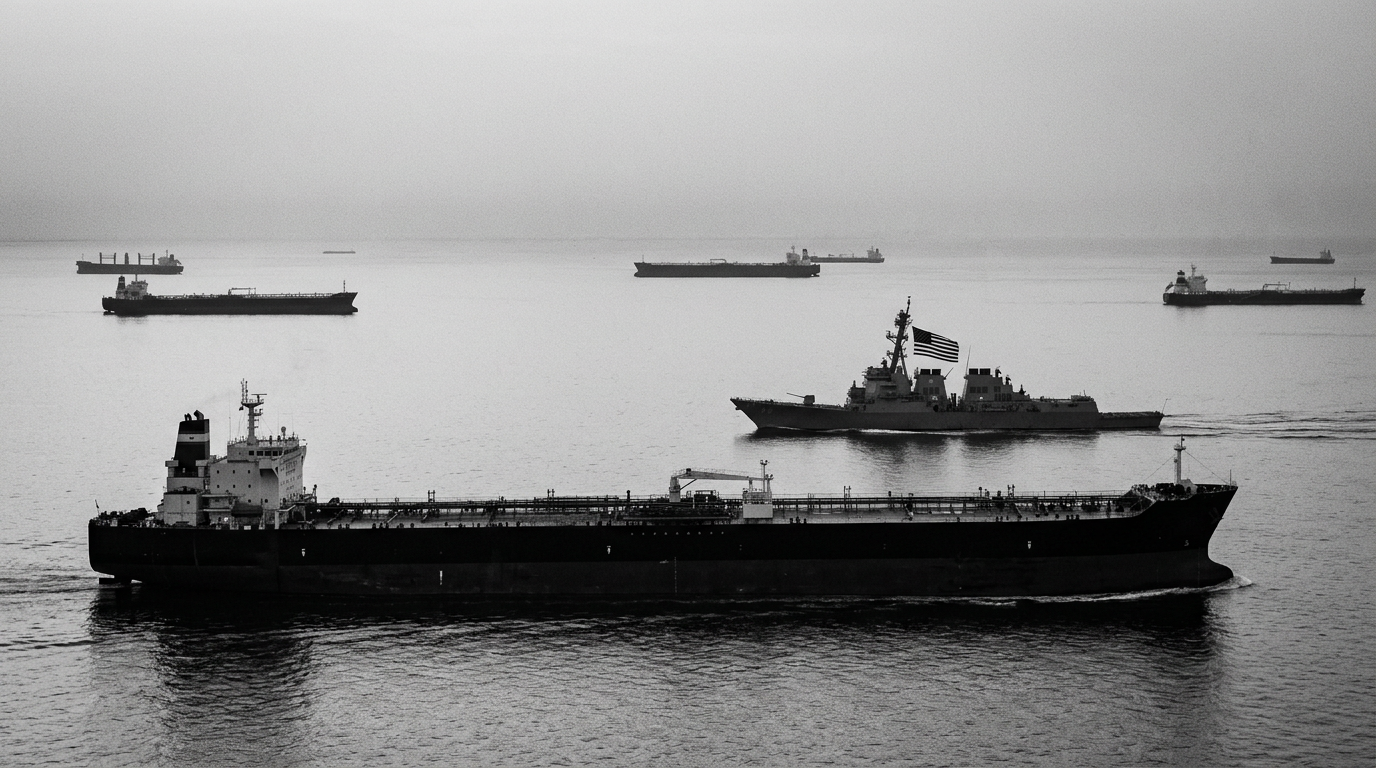
The United States began an oil blockade against Iran on Monday at the Strait of Hormuz , a move officials framed as an effort to cut Iran’s oil-export earnings and restrict access to key imports. The step comes after more than six weeks of conflict with Iran and reflects tactics the U.S. has previously used against Venezuela and Cuba.
The Strait of Hormuz is a critical chokepoint for global energy flows. Under normal conditions, roughly one-fifth of the world’s oil and significant volumes of natural gas move through the passage, making any disruption there a direct concern for energy markets and trade-linked inflation pressures worldwide.
Iran has threatened renewed attacks across the Persian Gulf, adding to fears of further damage to energy infrastructure. Analysts at RBC Capital Markets said they expect more attacks on regional energy facilities, a risk that could complicate shipping, insurance, and operational decisions for producers and exporters in the area.
Damage to infrastructure has already been substantial, according to the International Energy Agency. The IEA’s Executive Director, Fatih Birol, said more than 80 Persian Gulf energy facilities have been damaged, with about one-third severely affected; he said full restoration could take up to two years. Those repair timelines, if realized, would extend the period of vulnerability for supply chains tied to Gulf production and processing capacity.
Market pricing showed a measured reaction immediately after the blockade began. International oil prices were trading just under $100 per barrel on Tuesday, described as a modest rise from levels before talks. Even so, global oil and fuel prices have moved higher since the conflict began on February 28, underscoring how geopolitical risk in the Gulf can feed into broader price pressures beyond the region.
Natural gas markets have not moved in lockstep. Prices have remained cheaper in the U.S. while rising sharply in import-dependent Asia and Europe, highlighting how regional supply exposure and import reliance can produce divergent outcomes even when the same geopolitical shock is in play.
Some analysts backing the blockade argue it could increase pressure on Iran by choking off oil-export proceeds. If the operation works as intended, analysts said Iran’s oil storage capacity could be filled within two weeks, which would force production cuts and reduce a major revenue stream. However, the effectiveness of the strategy in pushing Iran to relinquish control over the Strait of Hormuz was described as uncertain, and the operation has drawn only limited support from U.S. allies.