

Serbian MiG-29 crashes near Belgrade, killing military pilot
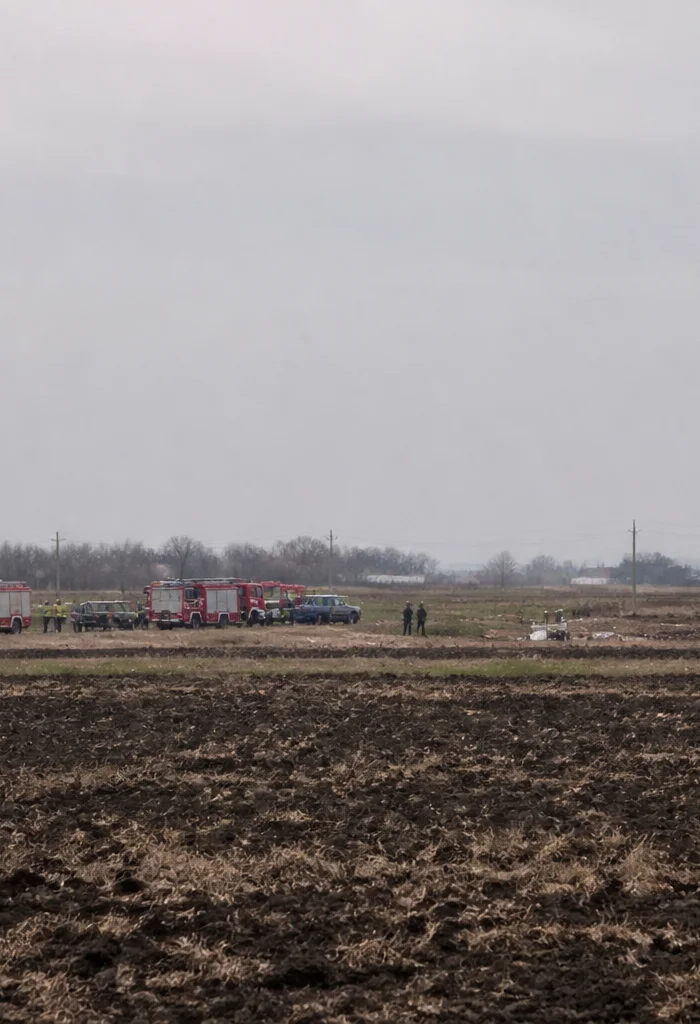
Serbia's defense ministry says a MiG-29 crash killed a military pilot near Belgrade as the country prepares to replace its fighter fleet.
The ministry identified the pilot as Major Goran Bulajic, 53, and said investigators were examining the November 17 accident. His aircraft came down in farmland near Stara Pazova, roughly 31 kilometers northwest of Belgrade, according to the ministry.
The aircraft was assigned to the Batajnica air base's 204th Aviation Brigade, the ministry said. The fatal crash puts the current fleet and its planned replacement into focus, although the investigation has yet to establish what happened.
MiG-29 fleet awaits Rafale replacement
Serbia has arranged to acquire 12 Dassault Rafale F4 fighters from France to succeed its MiG-29s. The purchase dates to 2024, with deliveries scheduled for 2028, placing the accident before the planned arrival of replacement aircraft.
The existing fleet is listed as 14 MiG-29s, manufactured between 1987 and 1991. That inventory figure does not establish how many aircraft remain available for operations following the crash, or how many were operational beforehand.
The Rafale purchase carries a price of €2.7 billion for the planned 12-aircraft acquisition. The order is smaller by aircraft count than the listed MiG-29 fleet, but those numbers alone cannot establish a comparison of operational capability.
The delivery schedule and the accident investigation concern different questions. One determines when Serbia expects replacement fighters; the other must establish the circumstances of the loss, without treating the aircraft's production date as an explanation.
Fatality adds to aviation safety record
Since independence in 2006, Serbia's military aviation record includes 14 accidents and 17 deaths. The aircraft involved comprise 12 planes and two helicopters, covering more than the fighter fleet alone.
Those totals provide a historical measure of losses, not a finding about this crash. Without flight-hour data or comparable operating figures, they do not establish an accident rate or show whether the risk of flying has changed.
The ministry's account identifies a location, a unit and a pilot, while describing the investigation as ongoing. It does not establish a mechanical failure, an operational mistake or another cause, so none can yet be assigned responsibility.
Investigation and deliveries set separate timelines
If investigators identify a problem shared by other aircraft, the implications would extend beyond the lost fighter to decisions about the remaining fleet. If the findings instead concern circumstances unique to this flight, broader conclusions about MiG-29 operations would require separate evidence.
If the scheduled Rafale deliveries proceed in 2028, the procurement would provide Serbia with its planned replacement aircraft. Any delivery delay would postpone that milestone; neither outcome, however, can be inferred from this accident.
For now, the confirmed immediate consequence is the pilot's death, as reported by the ministry. Investigation findings and any subsequent military operating decisions will determine whether the crash has consequences beyond the individual loss.
More stories
- UN Talks on AI-Powered Autonomous Weapons Face Opposition from Major Military Powers
- Russian airspace incident adds pressure to Japan relations
- Iran targets Bahrain radar as US strikes back near Hormuz
- Indian authorities search for 1 sailor after Oman tanker attack
- Atiku aide backs crude-contract review for petrol subsidy
- Sudan drone strikes killed more than 1,630 civilians, UN says
- Zelenskiy says Crimea bridge hit in Ukrainian operation
- West Bank killing in Jericho exposes disputed home claims
- Royal Navy expands 10-country drone plan after Russian activity rises 41%
- Megaspeed faces US scrutiny over $3bn asset jump