Senate committee advances Kevin Warsh for Fed top post
Kevin Warsh's Fed chair nomination moves to Senate, signaling a potential leadership and policy shift at the central bank.
Atlas Newsdesk ·
Party-Line Vote Clears Hurdle
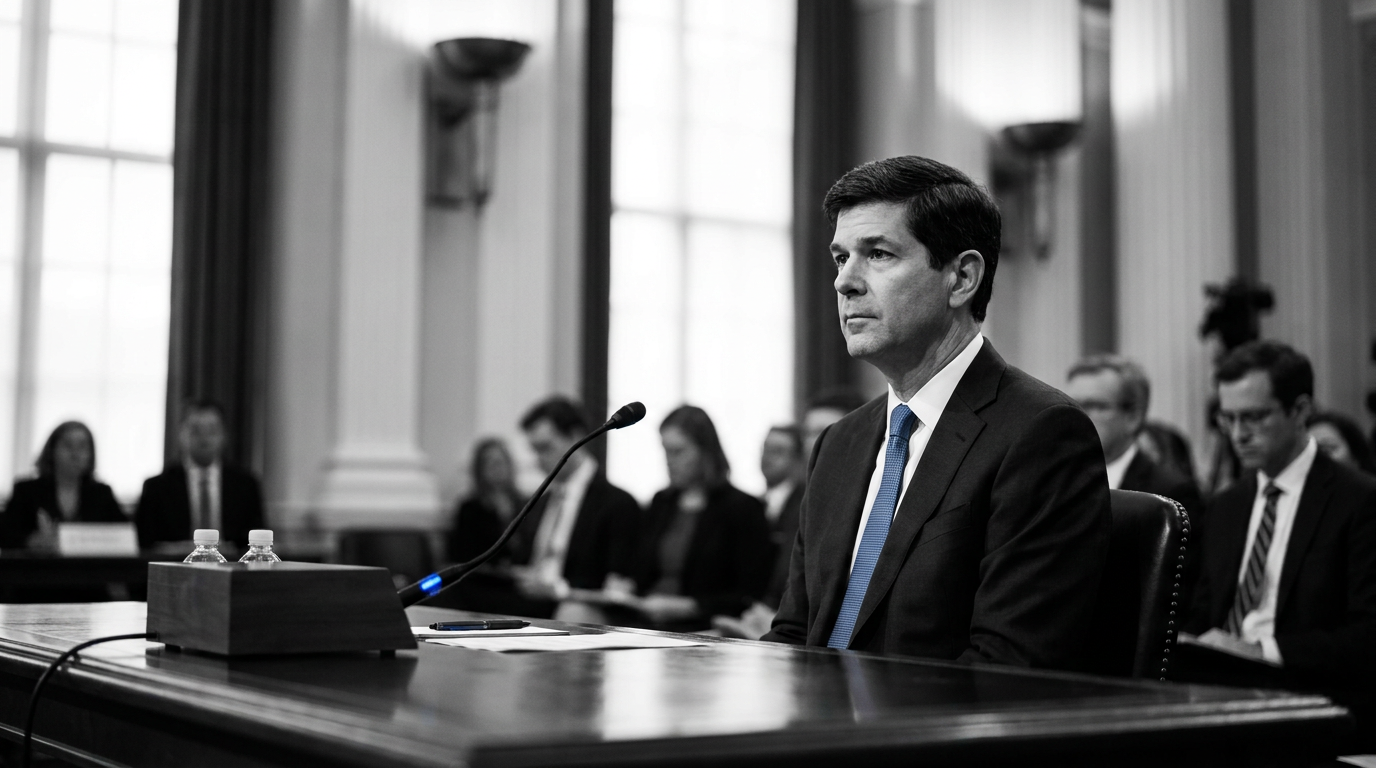
The Kevin Warsh nomination for Federal Reserve chair is now headed for a full Senate vote following its narrow approval by the Senate Banking Committee. The nomination advanced Wednesday on a strict party-line vote, marking a significant step in the confirmation process for President Trump's pick to lead the nation's central bank.
This move positions Warsh, a former Fed governor, as a potential successor to current Chair Jerome Powell. The committee's endorsement clears a major procedural obstacle, though it also underscores the deep political divisions surrounding the future of U.S. monetary policy.
Political Conditions Shape Confirmation
The committee vote was delayed until a key condition set by Senator Thom Tillis was met. The Senator had insisted that a Department of Justice probe into current Chair Jerome Powell be resolved before he would allow the nomination to proceed.
With the DOJ recently dropping its investigation, the final barrier to a committee vote was removed. This development allowed Republican leadership to schedule the vote and secure the party-line approval needed to send the nomination to the Senate floor, highlighting the intricate political maneuvering behind the appointment.
Potential Shift in Monetary Policy
Confirmation of Kevin Warsh would likely signal a significant change in direction for the Federal Reserve. Known for his more hawkish stance on monetary policy, Warsh has previously been critical of the central bank's extensive use of quantitative easing and prolonged periods of low interest rates.
His perspective contrasts with the approach under Powell, whose tenure has been characterized by a data-driven strategy aimed at balancing inflation control with maximum employment. Warsh served as a Fed governor from 2006 to 2011, giving him direct experience navigating a major financial crisis from within the institution.
The committee's vote incidentally occurred just hours before the Federal Reserve announced its latest interest rate decision. This timing casts the decision as potentially one of the last under Powell's leadership, adding a layer of symbolic weight to the transition.
The Path Ahead
With committee approval secured, the focus now shifts to the full Senate for a final confirmation vote. The confirmation is not guaranteed, as it will require navigating a closely divided chamber where any defections could jeopardize the outcome.
A successful confirmation would place a new leader at the helm of the Fed at a critical juncture for the U.S. economy. Financial markets and international partners will be watching closely for any subsequent shifts in policy on inflation, interest rates, and the central bank's balance sheet under new leadership.