Saudi pipeline strike cuts Red Sea crude flows to Europe
Saudi pipeline damage has shut Yanbu loadings, cut European cargoes and pushed buyers toward alternatives as Gulf exporters weigh Hormuz routes.
Mei Lin ·
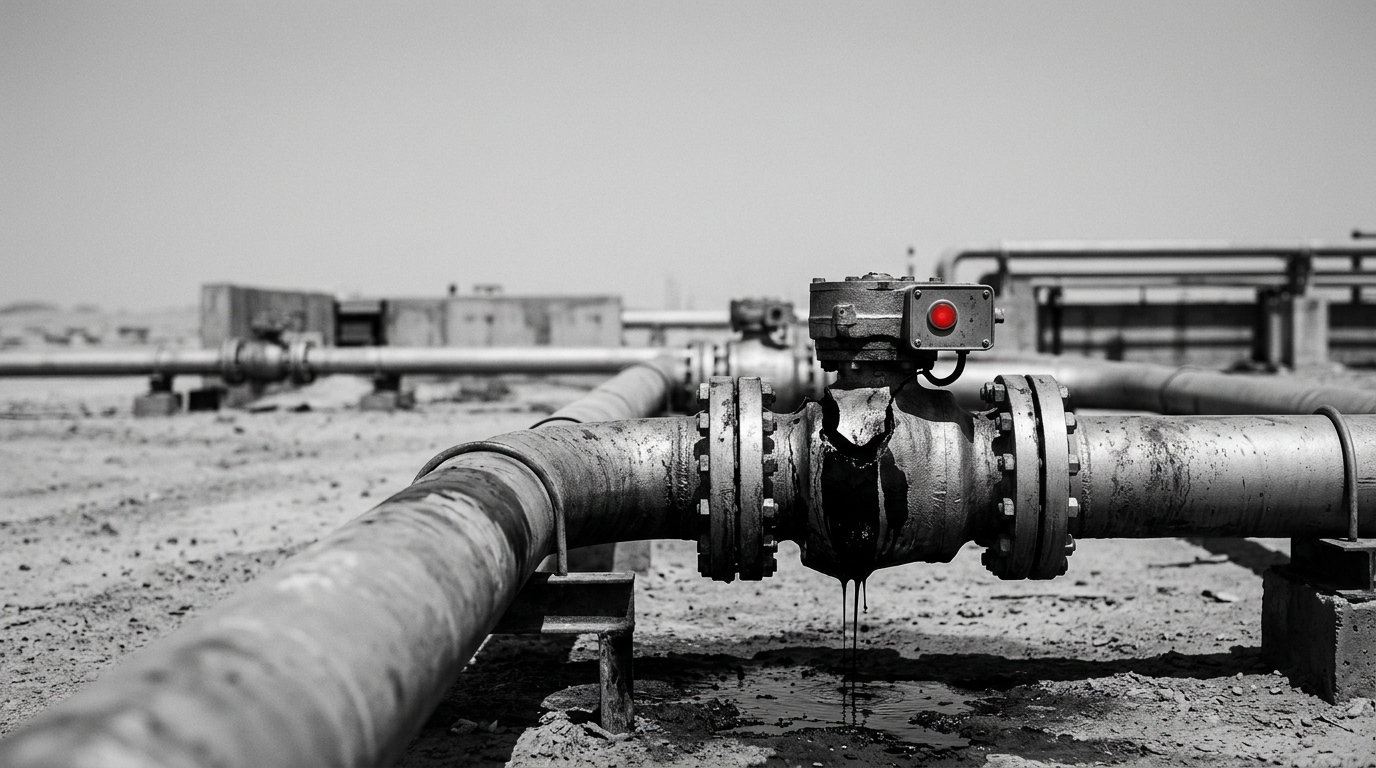
Saudi pipeline damage could take more than a month to repair, verification experts said, threatening Red Sea crude exports after last week’s strike.
Trade and shipping sources said Saudi Arabia told European customers that some September-loading crude cargoes would be canceled and that loadings at Yanbu were suspended after the East-West Pipeline was shut Friday. Prices for affected cargoes topped $120 a barrel, they said, while buyers including Poland sought replacement supply.
Yanbu route loses capacity
The East-West Pipeline carries Saudi crude across the kingdom to the Red Sea, giving exporters an alternative to the Strait of Hormuz. Saudi Arabia has relied more heavily on that route during the six-month US-Iran war, a period in which ships in Hormuz have come under attack.
New satellite imagery showed the heaviest damage at a pumping station on the line, according to experts who reviewed the images. A repair lasting more than a month would keep pressure on Yanbu loadings during the September export cycle described by traders.
Militia blame widens conflict
Saudi Arabia has accused Iranian-backed militias in Iraq of carrying out the pipeline strike. The allegation is Riyadh’s account, and the strike followed renewed missile and drone attacks by Yemen’s Iran-aligned Houthi movement against southwestern Saudi Arabia over several days.
The Saudi government said Tuesday it would respond "firmly" to Houthi attacks and has carried out strikes on Houthi-controlled areas of western Yemen. The Houthis have been fighting Saudi-backed Yemeni pro-government forces for years, but their campaign has intensified in recent weeks.
Separate satellite images showed damage to King Khalid Air Base after a Houthi strike last week. The base damage broadens the set of Saudi military and energy targets visible in open-source imagery.
Bab al-Mandab positions add risk
Last week, Houthi forces seized new territory along Yemen’s southwestern coast, including positions overlooking Bab al-Mandab. If those positions hold, the group would be better placed to enforce its declared blockade of Saudi shipping near a waterway used by Gulf exporters and European refiners.
The Yanbu suspension shifts attention back to Hormuz, the same corridor the East-West Pipeline was meant to bypass. Trading sources said Saudi Arabia would try to move more crude through Hormuz using so-called dark shipments, similar to methods used by the United Arab Emirates and Iraq.
Those shipments have allowed Gulf producers to export 7 million to 9 million barrels a day, equal to 30% to 40% of pre-war volumes, trade sources said. The comparison shows the constraint: dark shipments can keep some barrels moving, but they do not replace normal Gulf export capacity.
If repairs exceed the month-plus estimate, oil importers face a longer period of elevated replacement costs, Saudi Arabia loses flexibility at Yanbu and refiners tied to Red Sea cargoes must compete for substitutes. If the line returns sooner, the pressure shifts back toward security: Hormuz shipping, Houthi positions near Bab al-Mandab and the next Saudi response become the main tests for flows.