Saudi Deficit Widens From Massive Gov't Spending Push
Saudi Arabia is turning to domestic lenders to finance its largest quarterly deficit since 2018, a gap driven by a major surge in government spending.
Atlas Newsdesk ·
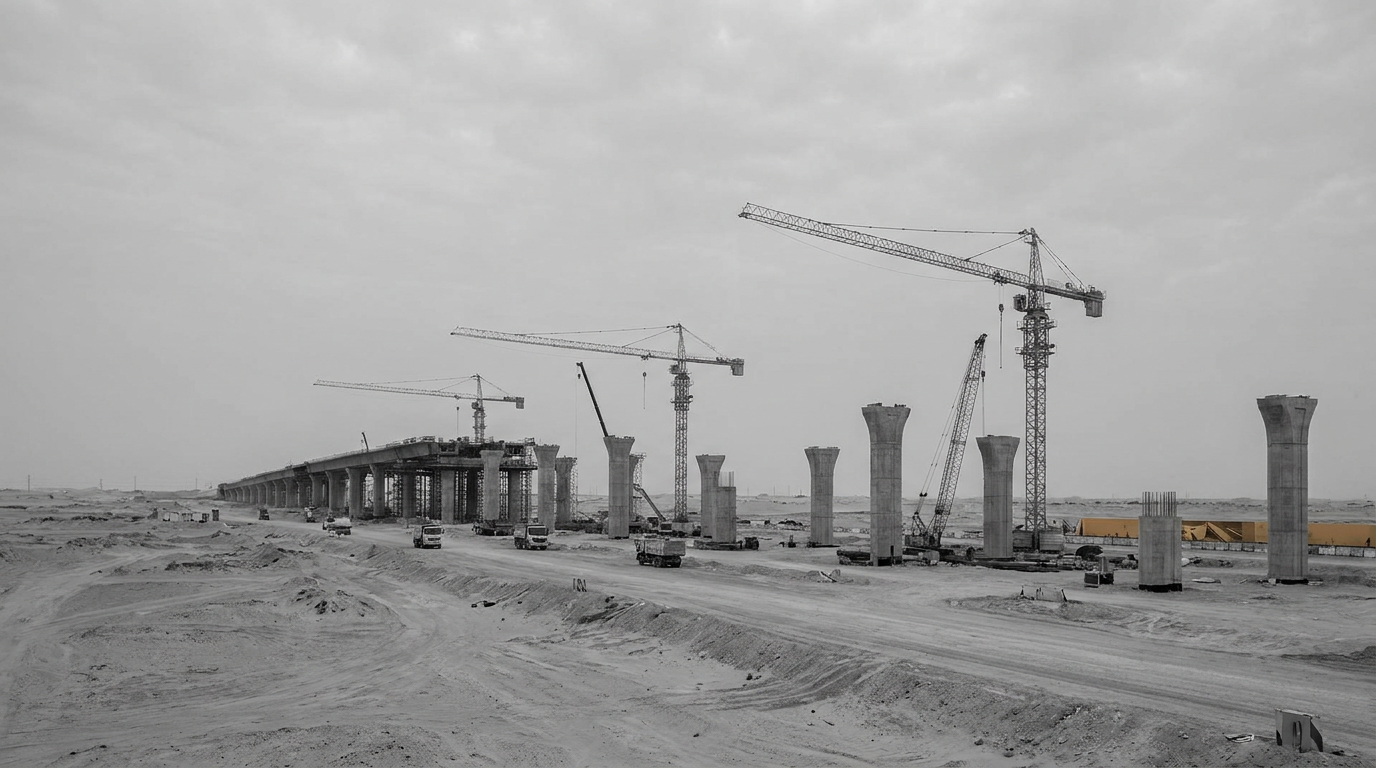
Debt Rises to Fund Spending Surge
Saudi Arabia is increasingly relying on domestic debt to fund an expansive government spending program, resulting in its largest quarterly budget deficit since 2018. Rather than drawing down its substantial foreign reserves, the kingdom has raised capital from local private lenders to cover the shortfall.
This strategy supported a massive increase in state expenditures designed to stimulate a slowing economy and manage regional pressures. According to the National Debt Management Office, most of the year’s financing needs were secured before recent escalations in regional conflict.
Stimulus Drives Record Deficit
The first-quarter fiscal gap was fueled by a significant rise in government spending. Expenditures on new development projects climbed by more than 50% compared to the same period a year earlier, highlighting a concerted effort to accelerate key initiatives.
Alongside project funding, budgets for the military and transportation sectors also saw significant increases. This spending push comes as the kingdom's overall economic growth slowed in the first quarter of the year.
Economic Pressures and Revenue Resilience
While the non-oil economy faced headwinds, the kingdom’s finances have been bolstered by favorable conditions in the energy market. Analysts at Goldman Sachs estimate that Saudi oil revenues increased by approximately 10% due to higher global prices.
This revenue boost has reportedly outweighed the impact of disruptions in the Strait of Hormuz. The kingdom has successfully mitigated these challenges by diverting the majority of its oil exports to its western ports on the Red Sea.
Riyadh is also leveraging its strategic location to reinforce its status as a critical logistics hub for the Gulf region. These efforts aim to support the consistent flow of goods and insulate its economy from maritime chokepoints.
Looking ahead, officials have indicated that a reliance on local markets and private deals will likely continue should further financing be required. This approach signals a strategic priority to maintain a robust cushion of foreign reserves as a buffer against external shocks.