Saudi Arabia warns US blockade against Iran may backfire
Saudi Arabia warns the US Iran port blockade may spur wider maritime disruption after Hormuz closure cut 13 million bpd and pushed oil above $100.
Atlas Newsdesk ·
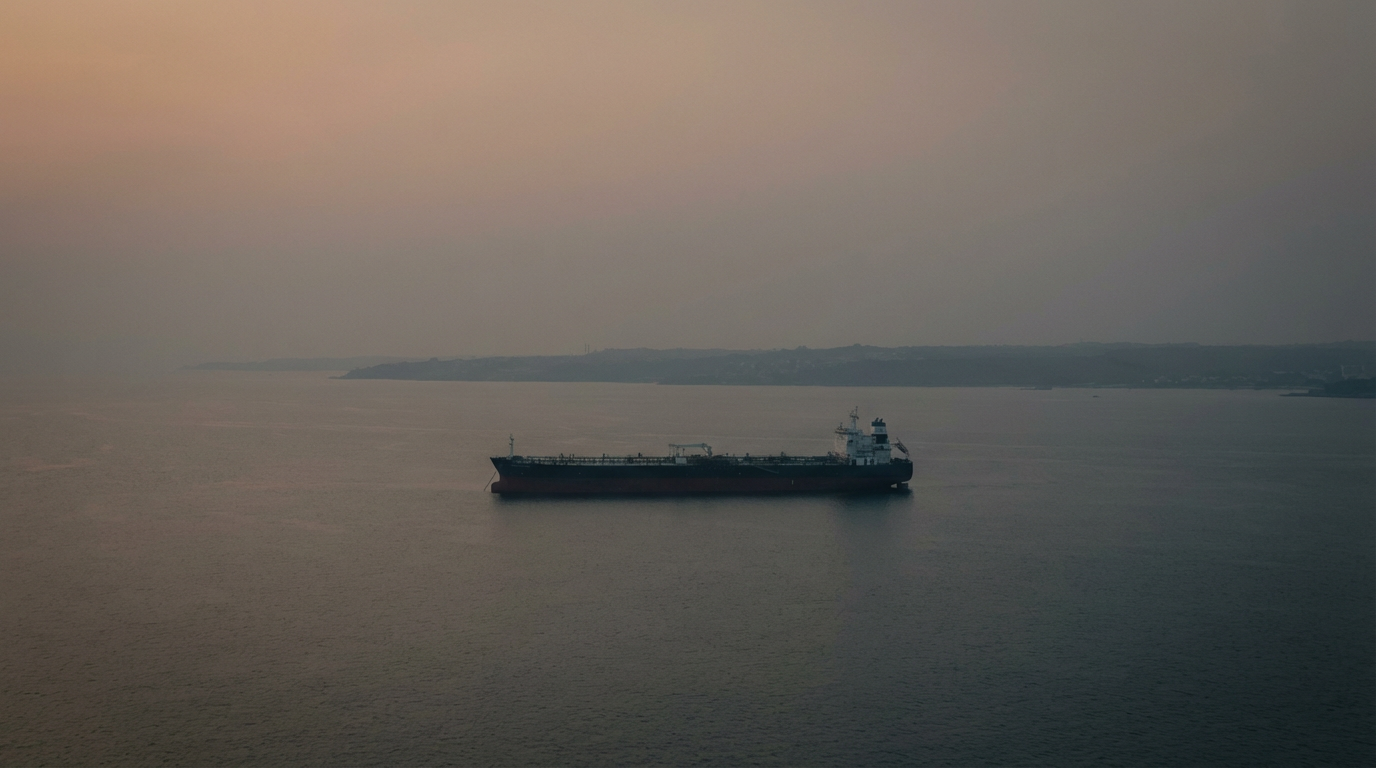
Saudi Arabia has warned the United States that a new American naval blockade of Iranian ports could trigger wider disruption across key Middle East shipping lanes, according to Arab officials. The blockade went into effect Monday, sharply escalating a conflict centered on maritime security and energy flows. U.S. officials, acting under the direction of President Trump, are seeking to intensify economic pressure on Iran and push Tehran to reverse course.
The U.S. move followed the collapse of weekend negotiations aimed at persuading Iran to reopen the Strait of Hormuz. Iran had earlier shut the strait through attacks on commercial vessels, according to the account in the source material. That closure removed approximately 13 million barrels of oil per day from global circulation and drove futures prices above $100 per barrel, sending a fresh shock through energy markets.
Saudi Arabia, a key regional partner of Washington, is urging caution about the blockade’s potential second-order effects. Arab officials said Riyadh has conveyed concerns that Iran could respond by widening the confrontation beyond the Persian Gulf. The central Saudi fear, according to those officials, is that Tehran could attempt to close the Bab al-Mandeb, a strategic chokepoint at the southern end of the Red Sea.
The Bab al-Mandeb connects the Red Sea to the Gulf of Aden and the Arabian Sea, making it a critical corridor for maritime trade linking Europe, Asia, and eastern Africa. The source material describes the strait as a global priority for shipping security because of its role in international commerce. For Saudi Arabia, its importance has increased since the Hormuz shutdown, as it has become a crucial route for the kingdom’s remaining oil exports that cannot transit through the Persian Gulf.
Officials in Washington are pursuing the blockade as a way to further constrain Iran’s economy and compel a reopening of Hormuz. Saudi Arabia’s warning highlights the risk that a strategy designed to isolate Iran could also threaten the economic stability of U.S. partners if additional waterways are disrupted. The source material frames this as a key limitation of the pressure campaign: escalation could spread market stress and create broader regional instability.
Attention is now shifting toward potential Iranian naval activity near the Bab al-Mandeb, with the international community watching for signs of movement in that area. Any hostile action there would represent a major escalation, the source material says, with the potential to draw more countries into a rapidly worsening crisis. What remains uncertain is whether Iran will seek to expand the confrontation beyond Hormuz as the U.S. blockade tightens around Iranian ports.