Ryanair signs Google Cloud AI deal for ops automation
Ryanair signed a five-year Google Cloud deal to deploy enterprise AI for operations, adding a dual-cloud model alongside Amazon Web Services.
Jason Kwon ·
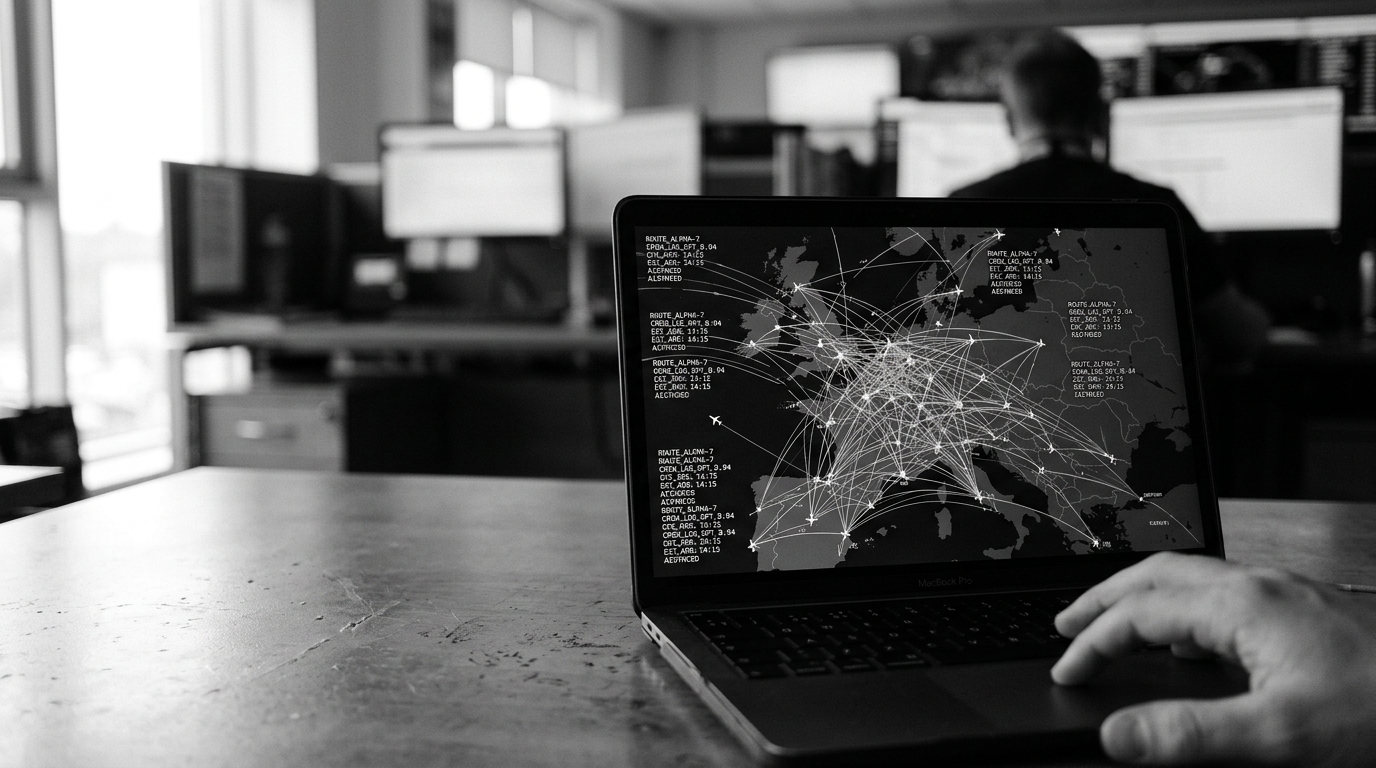
Ryanair has signed a five-year agreement with Google Cloud to deploy enterprise artificial intelligence across its 35,000-employee workforce, targeting operational automation as the airline expands capacity.
The airline said the rollout will concentrate on areas such as logistics and workflow automation, positioning the technology programme as support for its longer-term growth plans. Ryanair has linked the initiative to its target of reaching 300 million passengers a year by 2034.
Dual-cloud model keeps Amazon Web Services in place
Ryanair said the agreement extends its existing technology setup into a dual-cloud approach, adding Google Cloud to an IT environment that already relies on Amazon Web Services. The company described Google Cloud as an additional core provider rather than a replacement for its current supplier.
According to the airline, the dual-cloud structure is intended to strengthen infrastructure resilience as operations scale. Ryanair Chief Executive Eddie Wilson said the model provides the resilience needed to support the carrier’s growth trajectory.
Efficiency focus tied to the low-cost model
Ryanair also framed the programme as an efficiency move designed to reinforce its low-cost operating model. The company’s messaging placed the emphasis on internal processes, with the stated aim of improving how the airline runs day to day as flight activity increases.
Gemini, Workspace and DeepMind models in daily operations Under the plan, Ryanair intends to integrate Google Workspace and Gemini Enterprise to automate workflows and improve crew logistics. The airline said the tools will be directed at operational processes rather than customer-facing features.
The deployment also includes Google DeepMind models, including AlphaEvolve and WeatherNext, which Ryanair said are intended to support fleet operations. The company said these tools will assist across its network of 3,900 daily flights.
Airlines split between customer AI and back-office systems
Ryanair presented its Google Cloud integration as centered on back-office functions, contrasting it with what it described as a recent pattern in airline AI investment that has often focused on customer-facing applications.
In the same landscape, other carriers have leaned toward Microsoft Azure for generative AI deployments, based on the information provided. Air India has used Azure OpenAI for customer service chatbots that handle tens of thousands of daily queries, while Turkish low-cost carrier Pegasus Airlines uses Azure AI Services for its support interface.
American Airlines and Lufthansa also operate Azure-based hubs aimed at data centralization and maintenance operations, according to the information provided.
Multicloud adoption remains an open question
Against that backdrop, Ryanair’s decision to retain Amazon Web Services while adding Google Cloud was presented as part of a broader enterprise shift toward multicloud setups designed to reduce vendor lock-in. A key unknown is whether other major airlines will move toward similar multicloud models as they balance operational resilience with more advanced back-office AI capabilities.