EU Warns Venice Biennale Over Russian Pavilion Sanctions Breach
EU warns Venice Biennale that Russia's national pavilion breaches sanctions by supporting the Russian government.
Lauren Collins ·
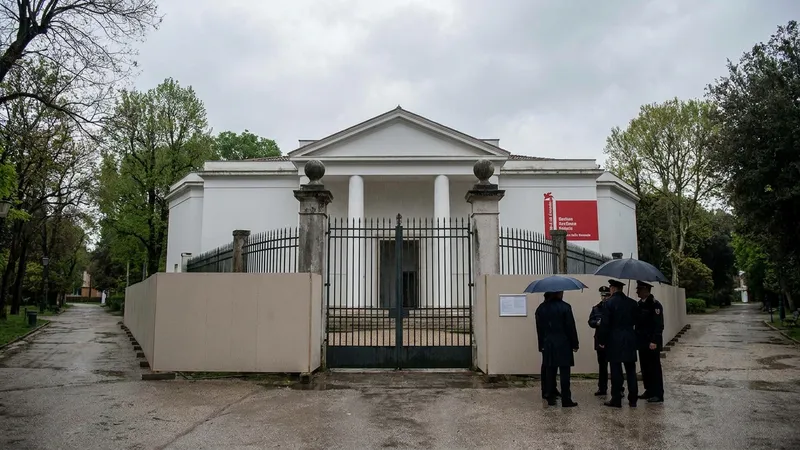
The European Commission has informed the Italian government and the Venice Biennale organizers that allowing Russia's national pavilion to participate would violate EU sanctions. The Commission asserts that the Russian pavilion, owned by the Russian government, constitutes a provision of services to the Kremlin.
This participation is considered an indirect provision of economic support to Russia. The Commission's cultural agency stated that non-compliance with EU sanctions calls into question the Biennale's obligation to uphold EU values.
Reports indicate the Commission has requested clarification on the arrangements between the Biennale and the Russian government to assess compliance with sanctions regulations. A 30-day deadline has been set for the Biennale to respond.
Italy's Prime Minister has publicly disagreed with the decision to include the Russian pavilion, though she stated the Biennale operates autonomously. The Russian pavilion is managed by a company whose co-founders include the daughter of Russia's Foreign Minister and the daughter of a retired general and deputy director of a state defense conglomerate.