Rosengren Sees Final 25bp Hike After Midterm Elections
A former top Fed official suggests the central bank will delay its final rate hike until after the November elections, introducing political timing into the…
Jurgen Goldmeier ·
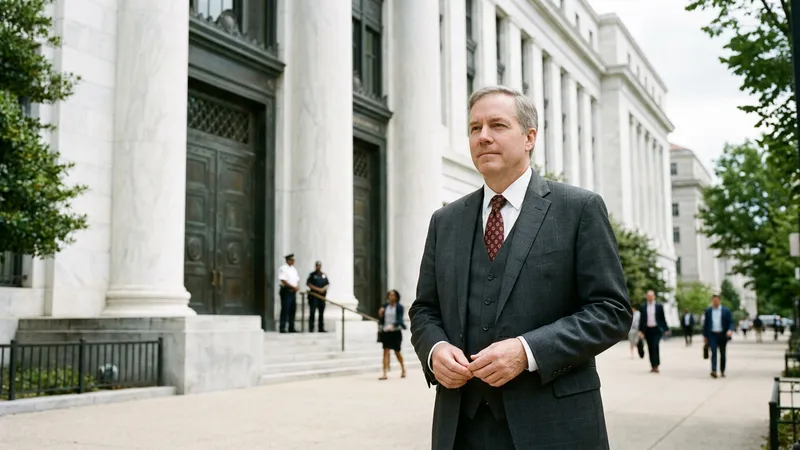
Rosengren Sees Final 25bp Hike After Midterm Elections A final 25 basis point rate hike for the year will likely wait until after the November midterm elections, according to former Boston Fed President Eric Rosengren. Speaking on a Bloomberg podcast, Rosengren characterized the US economy as 'middling,' suggesting the Federal Reserve has room to pause before delivering its last move of this tightening cycle. ## Background The market has been navigating conflicting economic signals. Recent inflation data shows price pressures remaining above the Federal Reserve's 2% target, while employment figures show a tight but not accelerating labor market. This backdrop has complicated attempts to price the terminal rate — the peak level for the federal funds rate in this cycle. The Fed's policy rate is already in restrictive territory, and traders have been pricing a roughly even chance of one final 25 basis point (bp) hike before year-end. The debate has centered on whether the data would be weak enough to justify a pause or strong enough to force a hike at the September meeting. Rosengren’s comments introduce a non-data variable: the political calendar. The Fed is statutorily independent of politics, with a dual mandate of price stability and maximum employment. Any deviation from a purely data-driven approach, or the appearance of one, is a significant event for markets that model central bank behavior. ## Why it matters Rosengren's status as a recent Fed insider lends credibility to the idea that the central bank may avoid a significant policy change immediately before a major election. This call directly challenges positioning predicated on a purely data-dependent Fed that would act in September if the numbers warranted it. A delayed hike reprices the front end of the interest rate curve and alters volatility expectations, pushing them from the September meeting to the November or December gatherings. Traders positioned for a September hike, either through SOFR futures or options on Treasury ETFs, are on the wrong side of this call. If the market prices in a higher probability of a post-election move, it could give a temporary lift to rate-sensitive sectors of the equity market, such as technology and unprofitable growth companies. It focuses attention not just on what the Fed will do, but on the perceived political pressures that influence when it will do it. ## What to watch The market will now scrutinize every speech from current voting FOMC members for any language that confirms or denies Rosengren's timeline. A strict adherence to the “data-dependent, meeting-by-meeting” script would leave the door open, while any specific mention of a September hike would invalidate the call. The key test will be the Federal Reserve's September policy meeting and its subsequent communications. If the FOMC holds rates steady while maintaining a hawkish bias pointing to a future hike, Rosengren’s call for a politically timed delay will gain significant traction.